
Adapting Security Models for AI Coworkers in the Workplace
AI coworkers are transforming workplace security models, necessitating urgent adaptations in access controls and identity management. Discover best practices and implications today.

The Rise of AI Coworkers
A new era of artificial intelligence is upon us, fundamentally reshaping workplace dynamics. The emergence of what can be called "AI coworkers"—digital agents capable of autonomous work—is disrupting traditional security models that were designed with human workers in mind. This transition demands urgent attention as these AI agents evolve rapidly, leading to unprecedented challenges for organizations managing digital security.
The Evolution of AI in the Workplace
The evolution of AI in the workplace has unfolded through distinct "waves." Initially, the focus was on session-scoped chats, where the primary concern was the accuracy and appropriateness of the information generated by AI models. This was followed by task-scoped AI agents, marking a significant shift where the concern transitioned from what the models say to what they actually do.
As organizations move closer to deploying what insiders are calling "true" digital coworkers, existing security architecture becomes obsolete. These persistent agents require reimagination of how access is granted and managed. Notably, this transition is capturing the attention of tech giants like Microsoft and OpenAI, who are actively deploying AI as collaborative teammates in an effort to redefine workplace productivity.
The Need for Change in Security Models
With the new wave of AI technology, a major restructuring of security models is needed. Current models, which primarily focus on human-centric access controls, cannot address the complexity that arises from AI's inherent functionality. Persistent AI coworkers will require access with a different approach—an approach that's not reliant on human approval for every single action.
Challenges with Current Access Models
Current access management systems, such as OAuth grants and service accounts, were designed for human interaction. These systems are inadequate for AI agents that require continual access to perform their tasks effectively. For instance, an AI coworker should be able to autonomously request additional access when the scope of its tasks changes or expands, rather than relying on drawn-out human approval processes.
Credential Lifecycle Management
AI workers pose a significant risk concerning credential management. Since these agents often operate on a temporary basis but retain access privileges, their lifecycle management—including deprovisioning—becomes critical. Failure to manage this leads to potential access creep, complicating identity governance considerably.
Understanding AI Access Control Methods
| Method | Description | Pros | Cons |
|---|---|---|---|
| OAuth Grants | A standard framework for token-based access control that relies on user approval. | Familiar to many developers and users. | Not conducive for AI, reliant on human action. |
| Static Bearer Tokens | A method where developers can assign a static token to an AI agent. | Provides immediate access to resources. | Lacks flexibility and security, not suitable for long-term use. |
| Scoped Tokens | Short-lived tokens that limit access specifically to particular functions. | Limits exposure and enhances security. | Requires continuous management and oversight. |
| Service Accounts | Accounts created specifically for AI agents with predefined roles. | Allows for centralized management. | Often manually configured and lacks agility. |
The Role of Digital Coworkers
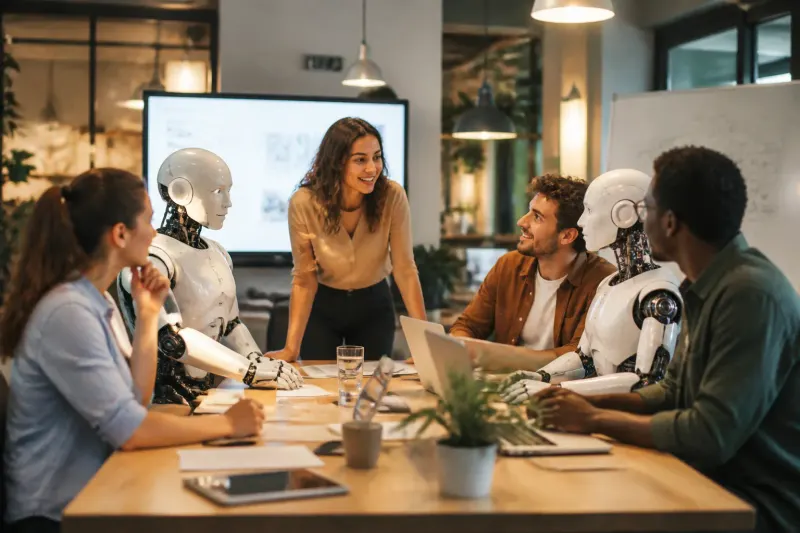
Digital coworkers are becoming a more integrated aspect of corporate life, representing a model where AI collaborates alongside humans rather than merely serving tools. In a recent discussion, Tara Seshan from OpenAI emphasized that digital coworkers must not only have the intelligence to perform tasks but also need practical access to data and necessary infrastructure to work effectively.
Implications for Security Practices
The ongoing shift requires a fundamental rethink of identity management practices. Currently, most AI systems do not have their own credentials, exacerbating security challenges. Handoffs between AI agents tend to inherit user privileges, which can confuse accountability in audits. As the architecture of corporate workflows continues to evolve, understanding and implementing identity models for AI coworkers becomes crucial.
Upcoming Changes from Major Security Platforms
In response to these changes, security platforms are starting to adapt their offerings. Microsoft has introduced Entra Agent ID, which allows for first-class agent identities, and Okta has added agent identities to its Universal Directory. These developments are essential steps toward a more secure integration of AI in workplace environments.
Best Practices for Organizations
As organizations gear up for AI’s third wave, here are some best practices to consider for managing AI coworkers:
- Identify Shadow Coworkers: Ensure that all AI agents are properly registered and understood by detecting unregistered agents through their authentication traffic.
- Establish Unique Identities: Give persistent AI agents their own identities to minimize risks associated with borrowing human credentials.
- Document Ownership: Track which human employee is responsible for each AI agent to mitigate risks of orphaned agents with live credentials.
- Scope Access Accordingly: Define what an AI agent can access based on its purpose rather than the privileges of the human who triggered it.
- Prepare for Lifecycle Management: Define conditions for when the AI agent should be deactivated, including idle periods and team changes.
Key Takeaways
- Emerging AI coworkers are changing the landscape of workplace security models.
- Organizations must rethink traditional access control methods to accommodate persistent AI digital agents.
- Best practices include documenting ownership and defining lifecycle management conditions for AI agents.
- Leading software platforms are beginning to adapt by offering new identity solutions for AI agents.
- The challenge lies in managing these digital coworkers while ensuring security and compliance.
Conclusion
The advancement of AI technology is bringing new dimensions to workplace dynamics. While the benefits of AI coworkers are plentiful, they also present substantial risks to security models that were not designed to accommodate them. Organizations must act swiftly to adapt their security practices in order to safeguard both digital and human resources effectively.
Frequently Asked Questions