
Horror Roots of Resident Evil: Exploring Cregger's Adaptation
Zach Cregger's upcoming Resident Evil film sparks debate over lore accuracy versus capturing survival horror's essence. Can Cregger balance both?
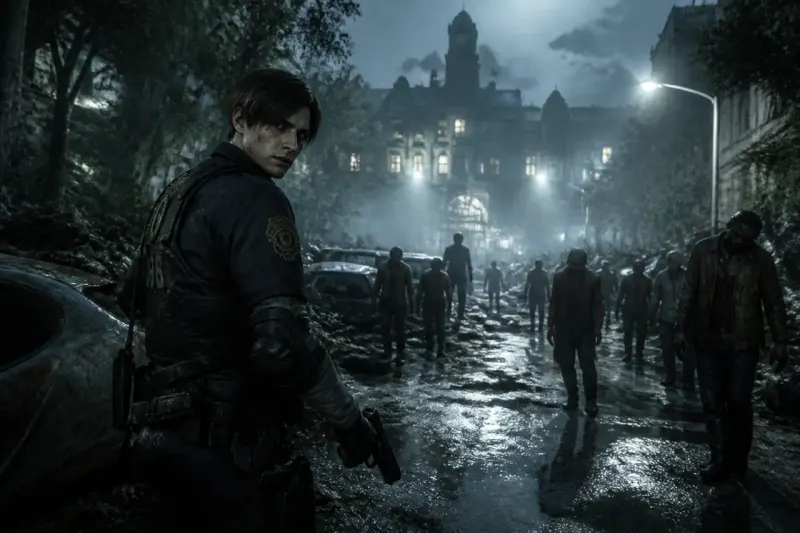
Adapting Resident Evil: Balancing Legacy and Innovation
As excitement builds for Zach Cregger's upcoming Resident Evil film, conversations around the adaptation have sparked intense debate among fans. While some eagerly anticipate a fresh take on the beloved horror franchise, others fear the film's deviation from established lore might compromise the essence of what makes Resident Evil resonate with its audience. The film runs parallel to the events of Resident Evil 2, embracing narrative liberties that have left many traditionalists skeptical.
Notably, the portrayal of the T-virus has faced scrutiny as fans worry about how Cregger will interpret this iconic pathogen and its impact on characters and gameplay elements. Understanding the roots of survival horror appears vital for the film's success. Fans argue that failing to capture this essence risks alienating long-time supporters of the franchise. Others contend that adherence to strict lore could stifle creativity, urging critics to grant the creative team more leeway.
The Importance of Survival Horror Vibes
Central to the appeal of Resident Evil is its capacity to evoke fear and suspense, a hallmark of survival horror that transcends outright accuracy to the series' lore. As Zach Cregger approaches the adaptation, the focus should remain on engaging the core atmosphere—managing limited resources, delivering unexpected jumps, and building a haunting mood. The best adaptations honor the original material's feelings rather than replicating story elements verbatim.
Critics of stringent lore adherence stress that the strength of horror films lies in atmospheric storytelling. Cregger, known for his work on films like Barbarian, has demonstrated a talent for crafting narratives that keep viewers on the edge of their seats. This capability raises optimism that he can deliver a film rich in horror aesthetics while using the lore as a framework rather than a restrictive blueprint.
Hit or Miss: Cregger’s Vision and Fan Expectations
Detailed fan feedback indicates that many hold mixed feelings about the journey Cregger appears willing to take. The criticisms of apparent liberties taken with the lore echo wider angst among gaming franchises transitioning to the film medium, often resulting in outspoken divisions within the community. Some fans fear that the resultant film may cater more towards mainstream audiences than those who have followed the franchise for years.
However, an understanding exists that adaptations often differ from their source material. Numerous successful horror films—The Shining and The Ring, for instance—have taken significant liberties while maintaining their effectiveness as horror stories. Cregger's work might lean more towards creating an emotional and psychological experience rather than a narrative faithful to every detail.
Capcom’s Evolution of Resident Evil Lore
Capcom has shown flexibility over the years when it comes to Resident Evil lore. This adaptation has manifested through both major entries and remakes, which occasionally realign characters and events to amplify storytelling efficacy. For instance, the remake of Resident Evil 4 depicts alterations to character allegiances to enhance plot depth, exemplified by Krauser’s shift from Wesker’s henchman to an ally for Saddler.
Furthermore, the recent installments of the series—including Resident Evil Requiem—draw from backstories and characters from the franchise's diverse catalog, sometimes resulting in conflicting stories but ultimately contributing to the rich, evolving universe of Resident Evil. In recent storylines, the T-virus showcases a new dimension, allowing infected characters to access pre-infection memories that they act upon, thus highlighting Capcom's direction of innovation over static lore.
Fans and Critics: Finding Common Ground
The divided fan base often leads to heightened emotions surrounding adaptations, attracting those who long for nostalgia and others who are eager for experimentation. To navigate this terrain, Cregger's film must resonate with both camps by acknowledging origins while embracing creative evolution. The upcoming film adds to the ongoing conversation about adaptation in the gaming medium, presenting an opportunity to explore how past fears and experiences shape contemporary storytelling.
Cregger's task extends beyond mere horror elements; he must invite viewers into the emotional core of survival horror, acknowledging themes of isolation, helplessness, and terror. Successfully interpreting these elements may help foster both appreciation and understanding among fans and critics alike.

Understanding Cregger’s Unique Approach
Cregger’s career history lends credence to the belief that his interpretation of Resident Evil could lead to innovative storytelling. His background in horror—with notable successes that explore psychological terror—exemplifies an ability to hone in on the fear elements that define the series. Furthermore, his filmography suggests a keen interest in character development and interpersonal dynamics, both crucial to weaving an engaging horror narrative.
Critics note that even if certain elements of the original games may be altered or omitted, the underlying thematic strengths and emotional motivations should remain intact. Thus, while fans may grapple with changes that deviate from established lore, they must also recognize the necessity of evolving storytelling methods suited for film adaptations. Cregger deserves a chance to demonstrate his vision before any definitive judgement is cast.
Key Takeaways
- The upcoming Resident Evil film by Zach Cregger diverges from established lore, running parallel to existing game events.
- The adaptation emphasizes atmosphere and horror vibes over strict adherence to game lore, a point of contention among fans.
- Capcom has frequently altered and evolved the Resident Evil narrative, suggesting a willingness to innovate.
- Cregger’s successful track record in horror, coupled with his insight for emotional storytelling, breeds hope for a compelling adaptation.
- Balancing fan expectations with innovative storytelling is crucial for the film's acceptance within the gaming community.
Conclusion: A Hopeful Outlook
The forthcoming film adaptation of Resident Evil presents a unique opportunity to engage audiences with both fresh horror narratives and a respectful nod to the franchise's storied history. By recognizing the foundational elements of survival horror and offering a modern twist, Cregger's adaptation could emerge as a meaningful contribution to the ongoing legacy of this iconic series. While anxiously awaiting its release, fans and critics alike will undoubtedly look to the film to provide insights into how Resident Evil may continue to evolve, inviting audiences into its terrifying world anew.
Frequently Asked Questions