
Kevin Roose Discusses AI, YouTube Ventures, and The AGI Chronicles
Kevin Roose, author of The AGI Chronicles, discusses his transition to the independent creator space and the shifting dynamics of the AI industry.
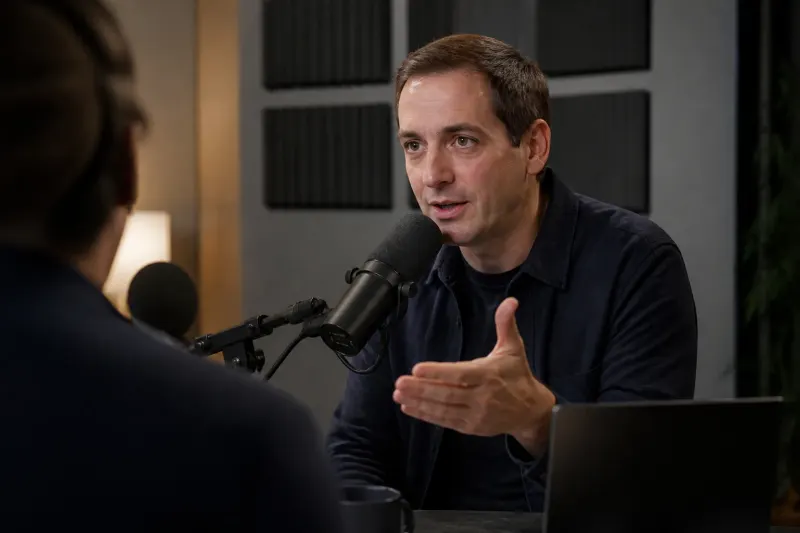
The Shift in AI Industry
Kevin Roose, a key figure in AI journalism, has recently transitioned from his long tenure at The New York Times to launching a new podcast, Machine Gods, alongside co-host Casey Newton. This change signifies a shift not just in medium but also in the coverage and perception of artificial intelligence (AI). Roose’s latest book, The AGI Chronicles, offers an in-depth investigation into the world of artificial general intelligence (AGI), highlighting the rapid evolution within the AI space.
The book details the dynamics in various labs competing to create AGI and the cultural shifts occurring as AI technology matures. In his discussions, Roose highlights a critical development: the shift from viewing AGI as a distant dream to a tangible objective that AI companies must pursue aggressively.
Launching Machine Gods
Roose's venture into Machine Gods marks a significant departure from traditional journalism to embrace the creator economy. This move was motivated by both personal ambition and a response to the changing landscape of media, particularly regarding the influence of YouTube. He aims to blend quality journalism with engaging video content, taking inspiration from successful figures like MKBHD and Joanna Stern.
The new podcast aims to provide a video-first experience, bringing a fresh approach to the often-audio-dominant podcast format. According to Roose, embracing video is essential, as the future of media increasingly demands both audio and visual elements to capture and retain audience interest.
The Audience for AI Coverage
Roose identifies distinct segments within the audience for AI reporting. Some individuals are deeply engaged in the technology’s intricacies, while others express skepticism or disdain regarding its potential. He notes a growing, more balanced audience that seeks to understand AI's capabilities and implications without extreme biases. This segment appreciates the technology's gradual evolution, acknowledging its increasing utility.
Casey Newton coins the term AI realism to describe the mindset of curious, cautious individuals who want to learn about AI instead of categorizing it as entirely beneficial or detrimental. Roose expresses confidence that this middle ground can foster informed discussions about AI's future and its regulation.
The Reporting Journey for The AGI Chronicles
In writing The AGI Chronicles, Roose aimed to document the history of the deep learning revolution, feeling a sense of urgency that the insights and stories surrounding AI could vanish without proper archival efforts. His approach was to weave together narratives from the pioneering figures in AI research, capturing crucial developments amidst the chaotic landscape of tech.
Challenging the often slick, overly technical communications of the industry, Roose sought to present a narrative accessible to a broader audience. His exploration emphasized the need for transparent dialogue, particularly as the stakes rise within the AGI race.
Inside the AGI Race
Roose’s book highlights a pivotal moment in the AI sector: a cultural paradigm shift that transformed dreams of AGI into a race to manufacture it. He cites a turning point at Google when internal discussions shifted towards recognizing AGI as a realistic goal, driven by advancements like the transformer architecture, which fundamentally changed the capabilities of AI models.
This newfound focus resulted in intense competition among leading organizations like OpenAI, Anthropic, and Google, each vying to outpace one another in the quest for AGI. As Roose notes, these organizations face conflicting internal philosophies regarding AGI's viability and the ethical implications of pursuing such ambitious goals.

The Economic Landscape of AI Companies
One intriguing element Roose discusses is the economic dichotomy within AI startups. He contrasts different motivations across newly established firms—some are fueled by idealistic pursuits of AGI, while others focus on business viability, developing enterprise AI products. This divergence highlights a critical tension between aspiration and the realities of running a successful business.
Moreover, Roose acknowledges that while companies like OpenAI and Anthropic have been aggressive in securing funding and resources for their research, they also navigate the tension of balancing ambitious goals with practical business considerations. The consequences of this dual focus will shape the future trajectory of both the companies and AGI itself.
Risks and Ethical Considerations in AI Development
As the AI landscape evolves, Roose reflects on the ethical responsibilities of those creating these powerful technologies. Amidst the excitement for progress, he underscores an undercurrent of concern regarding the potential consequences of AGI development. Individuals working within the industry acknowledge the existential risks associated with creating machines with human-level intelligence.
Discussing the nature of progress in AI, Roose points to fatalism among some industry insiders who believe AGI will inevitably be built, regardless of the potential risks. They argue that overseeing the development is preferable to allowing less trustworthy entities to take the lead.
Conclusion: The Future of AI and AGI
The conversations surrounding AI and AGI are intricately intertwined with broader societal implications. As Roose articulates, the fusion of idealism, competition, and ethical considerations characterizes the current atmosphere among AI developers. The outcome of this race will not only affect technological advancement but also challenge societal norms and values.
Key Takeaways
- Kevin Roose transitioned from a long tenure at The New York Times to launch the Machine Gods podcast.
- His book, The AGI Chronicles, investigates key developments in AI and the cultural shifts within industry.
- Roose identifies an evolving audience for AI coverage, combining realistic views and curiosity.
- He emphasizes the need for transparency and historical documentation regarding AGI technology.
- Ethical considerations loom large as developers race towards potentially creating AGI.
Frequently Asked Questions