
RBI Repo Rate Decision 2026: Impact on Borrowers, Loans, and Investments
The RBI repo rate decision has a significant impact on borrowers and investors alike. Learn how the RBI repo rate decision affects home loan interest rates, fixed deposit returns, and the overall economy.
What is the Repo Rate and How Does it Work?
The repo rate, short for repurchase option or repurchase agreement, is the interest rate at which commercial banks borrow money from the RBI by pledging securities such as government bonds.
The RBI uses the repo rate as its primary monetary policy tool to manage inflation, liquidity, and economic growth.
How Does the Repo Rate Impact Borrowers?
A change in the repo rate can have a ripple effect on the entire economy, influencing borrowing costs across the board.
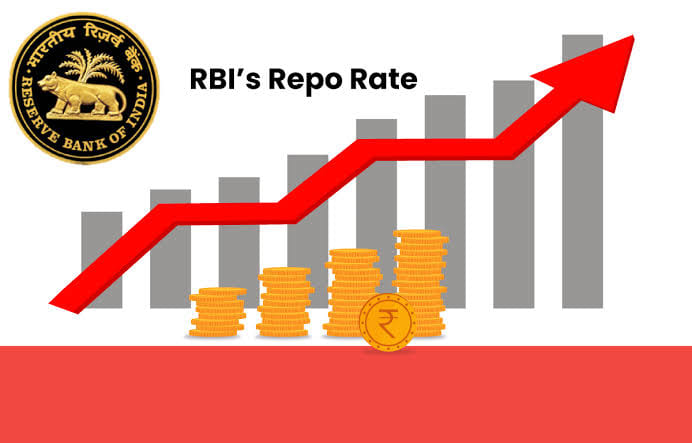
When the RBI increases the repo rate, it becomes more expensive for commercial banks to borrow money, which in turn increases the interest rates they charge their customers.
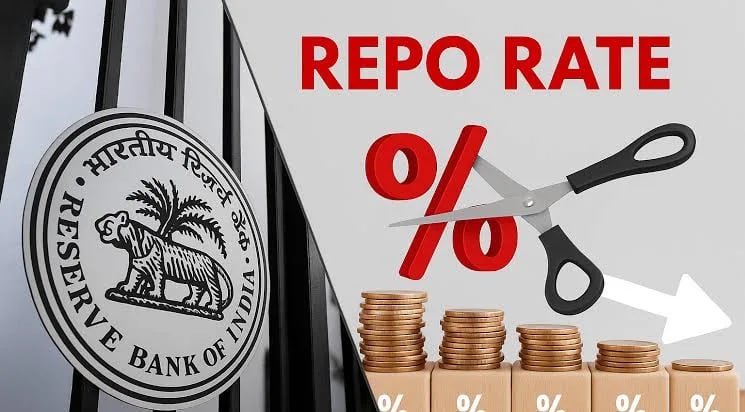
On the other hand, when the RBI decreases the repo rate, it becomes cheaper for commercial banks to borrow money, which can lead to lower interest rates for borrowers.
What Does the RBI Repo Rate Decision Mean for Home Loan Borrowers?
For home loan borrowers, a change in the repo rate can have a significant impact on their monthly installments (EMIs).
If the RBI increases the repo rate, it can lead to higher interest rates on home loans, resulting in higher EMIs.
On the other hand, if the RBI decreases the repo rate, it can lead to lower interest rates on home loans, resulting in lower EMIs.
What Does the RBI Repo Rate Decision Mean for Investors?
For investors, a change in the repo rate can have a significant impact on the returns they earn on their investments.
If the RBI increases the repo rate, it can lead to higher interest rates on fixed deposits and other investment instruments, resulting in higher returns for investors.
On the other hand, if the RBI decreases the repo rate, it can lead to lower interest rates on fixed deposits and other investment instruments, resulting in lower returns for investors.