
Trezor's Shipping Breach Exposes User Data—What You Need to Know
A recent breach involving Trezor exposed personal information of over 67,000 US customers due to compromised shipping records. This incident highlights vulnerabilities in Bitcoin wallet security.
The Hitch in Your Hardware Wallet Purchase
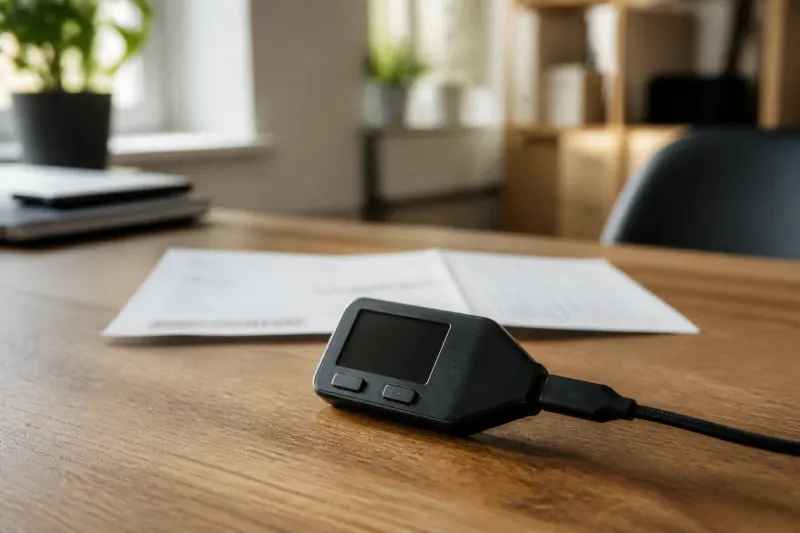
While hardware wallets are designed to secure Bitcoin and other cryptocurrencies, the way they are purchased can inadvertently expose users to risks. Buying a wallet typically involves sharing personal information, such as name and address, with the vendor in order to facilitate the delivery of the device. Once the customer unpacks the wallet, they tend to forget about the transaction, unaware that delivery-related data may linger in the vendor's records for years.
Extent of the Breach
On September 4, Trezor announced that an additional 67,000 US customers have been affected by the breach linked to ShipMonk, the shipping service it employed. This increase brings the total number of affected customers to 80,689.
Importantly, Trezor reassured users that no funds were stolen, as the breach only involved contact and delivery information. Nevertheless, these details can become ammunition for scammers, enhancing the efficacy of phishing attacks or physical scams targeting the individuals involved.
Understanding Hardware Wallets
Hardware wallets serve as a fortress for storing the private keys necessary for accessing cryptocurrencies. Unlike software wallets that function on internet-connected devices, hardware wallets secure these keys locally. This segregation minimizes risk; even if an individual’s computer is compromised, the security of the cryptocurrency remains intact. When a transaction needs to take place, the wallet can approve it without directly sharing the private keys with the computer.
However, recovering access is another challenge should the device be lost or malfunction. This is typically managed through a backup system involving a sequence of words that allows wallet recreation. Unfortunately, these recovery phrases, if disclosed, can be exploited by malicious actors, making it crucial for users to treat them with extreme caution.
The Role of Personal Information in Scams
Personal information, even if minimal, is an asset that can empower scammers. The more information they possess, the more convincing their schemes become. An email that addresses a victim by name and references an order they recognize is much more compelling than a generic message broadcasted to countless recipients. Physical letters that appear to be official correspondence can easily mislead unsuspecting individuals.
Scammers often leverage meticulously crafted letters, urging recipients to scan a code or visit an alarming-looking website that prompts them to enter their recovery words. Trezor's research has demonstrated that ordinary mailing capabilities can facilitate extensive phishing campaigns.
What Information Was Compromised?
The breach primarily exposed several types of information:
- Name and delivery address: This provides insight into delivery logistics and offers a contact method for the scammer.
- Public wallet address: Facilitates discovery of transactions and balances associated with that Bitcoin wallet.
- Private key: Grants access to and authority over the coins associated with that wallet.
- Wallet backup: Enables restoration of access to the wallet, allowing full access to assets.
Even though records of specific orders may not mean the individual still possesses Bitcoin, they can act as clues for potential scams. A past purchase can serve as a foundation for deceptions, making it essential for wallet users to scrutinize communication, especially from unknown sources.
The Challenge of Record Retention
The Trezor breach raises significant questions about the obligation of companies to maintain accurate and secure records. While shipping information is crucial for logistical operations, what should be temporary operational notes can morph into permanent corporate assets. Information retention can inadvertently become a liability for companies that do not manage or dispose of records responsibly.
The Federal Trade Commission (FTC) emphasizes that companies should only collect sensitive information when necessary, know its storage locations, and ensure its secure disposal when it is no longer required. Furthermore, outsourced service providers are not exempt from these guidelines, meaning firms need to understand precisely how their sensitive data is handled.
The Importance of Proactive Privacy Measures
To maintain customer privacy, there are effective measures that consumers can take when ordering hardware wallets:
- Use parcel lockers: These can provide a layer of anonymity and help mitigate risks associated with delivery addresses.
- Neutral packaging: Employing unmarked boxes can reduce the visibility of the delivery contents, making them less identifiable to potential scammers.
- Alternate contact details: Using different contact information specifically for online orders can further shield the customer's identity.
These techniques can significantly decrease the chances of falling victim to scams; however, they each come with limitations. For instance, locker operators may require identification, and payment services could retain billing details that could be mined by malicious actors.
Future Considerations for Manufacturers
Trezor's revelation about the breach underscores the necessity for hardware wallet manufacturers to rethink their information collection practices. Companies are encouraged to minimize the data they collect, segregate information that is not required, and enforce stringent protocols for ensuring data deletion once it is no longer needful for business operations.
Implementing these improvements can help alleviate customers’ fears surrounding the retention of their sensitive information, while building a more trustworthy operational ecosystem.
Key Takeaways
- Trezor disclosed an additional 67,000 US customers affected by the breach.
- No funds were stolen; only names and addresses were compromised.
- Personal information can assist scammers in convincing victims to disclose wallet backups.
- Privacy measures for hardware wallet orders can help mitigate risks of exposure.
- Manufacturers need to improve data retention and privacy practices to protect users better.
Conclusion
As the digital landscape grows increasingly complex, the intersection of physical goods and digital security has never been more apparent. The Trezor incident emphasizes the importance of protective measures surrounding both user data and financial assets. Manufacturers must prioritize robust security practices while consumers must remain vigilant in managing the information they share when making purchases. This breach is a wake-up call for all parties involved — a reminder that in cryptocurrency, privacy and security are paramount.
Frequently Asked Questions