
US and China Agree on AI Communication and Trade Talks
During a recent summit, the US and China agreed to establish a framework for handling AI incidents, alongside significant discussions on trade and military communications.
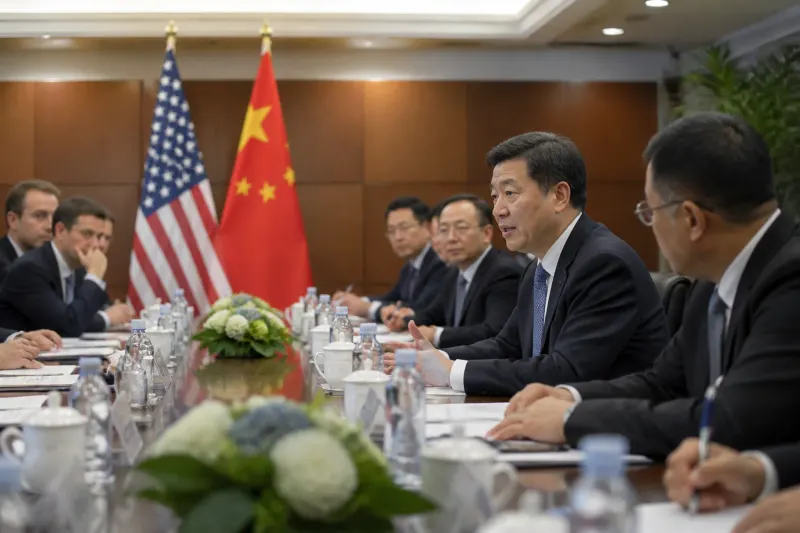
US-China Summit Focuses on AI and Trade Relations
In a significant diplomatic effort, the United States and China concluded a three-day summit where they agreed to establish a communication channel for handling artificial intelligence (AI)-related incidents. The summit saw President Xi Jinping of China and President Donald Trump of the United States discuss the potential risks and benefits of AI while also focusing on broader trade relations and military crisis communications. The agreements made during this summit mark an important step towards stabilizing and improving bilateral relations.
Key Agreements and Initiatives
AI Safety Communication Channel
A central agreement reached was the establishment of a dedicated mechanism to manage AI-related incidents. Both governments committed to opening dialogues specifically centered on the risks associated with AI technologies. This initiative aims to facilitate discussion and cooperation on the appropriate responses to AI challenges. An AI-specific dialogue is expected to occur in November.
Military Crisis Communications
Alongside discussions on AI, both presidents agreed on enhancing military communication to prevent crises from escalating. This memorandum of understanding aims to create a framework for crisis management between the two nations’ militaries, focusing on transparency and proactive engagement.
Board of Trade Collaboration
Both nations have also revived their Board of Trade, which is designed to address selected bilateral economic issues. This board commenced its operations during the week of the summit and is intended to foster ongoing dialogue regarding trade dynamics and to navigate economic challenges collaboratively.
Trade and Economic Cooperation
Despite existing tensions, significant economic dialogues also took place. One highlight was a mutual agreement to reduce reciprocal tariffs on approximately $30 billion worth of goods between the United States and China. Additionally, China committed to importing at least 10 million metric tons of coal from the U.S. during 2027 and 2028. The reduction in tariffs predominantly targets non-sensitive goods, including agricultural products and seasonal decorations.
Concerns Over Rare Earths Supply
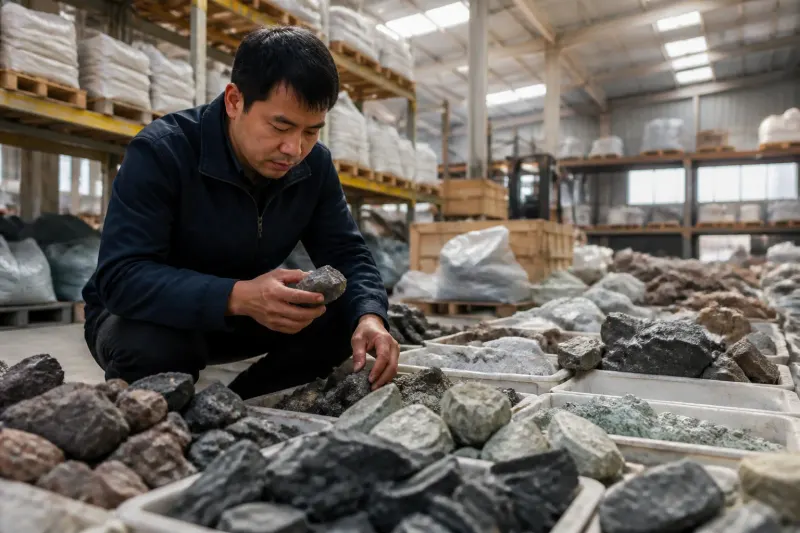
Discussions included U.S. concerns regarding the supply of rare earth elements. The U.S. aims to rectify shipment levels back to appropriate scales after China imposed export controls last year on these critical materials, which are essential for numerous advanced technologies.
Outlook on Future Meetings
Looking ahead, both countries are scheduled to meet later this year at various international summits, including the Asia-Pacific Economic Cooperation (APEC) summit in Shenzhen, China, and the G20 summit in Miami. These meetings will provide additional platforms to negotiate bilateral issues and enhance cooperation on global challenges.
Responses from Analysts and Officials
While the summit did not produce radical changes or breakthroughs, analysts emphasized the incremental progress reflected in the agreements. According to Wang Zichen, deputy secretary-general of the Beijing-based Center for China and Globalization, the focus on personal diplomacy is crucial. He noted that establishing working-level engagement and military dialogues signals an effort to create a more stable framework for future interactions.
Broader Implications for AI and Global Trade
The establishment of a communication channel for AI incidents is particularly critical in today's context, where AI technologies are advancing rapidly. Trump reiterated his administration's stance of maintaining strict controls over AI information shared with China, stating, "The United States of America is not going to be putting on brakes... We’re leading by a lot and we’re going to keep it that way." This viewpoint indicates a distinct apprehension regarding the balance of power in AI development between the two global giants.
Key Takeaways
- The U.S. and China are establishing a dedicated communication channel for AI-related incidents.
- A memorandum for military crisis communications was agreed upon to prevent escalation.
- China committed to importing at least 10 million metric tons of coal from the U.S. in 2027 and 2028.
- Both countries agreed to reduce reciprocal tariffs on approximately $30 billion worth of goods.
- Analysts hailed the incremental progress despite lingering tensions in bilateral relations.
Conclusion
The recent summit symbolizes a measured step forward in U.S.-China relations amid ongoing trade disputes and concerns regarding safety in artificial intelligence. Establishing mechanisms for communication not only addresses immediate risks associated with AI but also suggests a willingness from both parties to improve and stabilize their diplomatic engagement. As the world witnesses rapid advancements in technology, these developments reflect a critical direction toward mitigating risks while fostering cooperation.
Frequently Asked Questions