
Synopsis
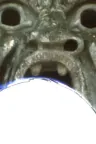
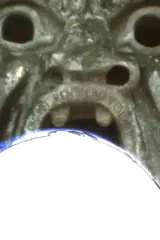
Drawing inspiration from the 16th-century Sacro Bosco (Sacred Grove) in Bomarzo, Italy — a park populated by surreal, monstrous stone sculptures — the film imagines a seismic awakening that shakes the statues from their centuries-long stillness. Through analog film techniques that physically alter the celluloid, director Pablo Agma creates an "image-tremor" that makes the petrified figures appear to move, breathe, and crumble, letting the vibration spread from the sculptures into the surrounding town.
Presented as a wordless, four-minute experimental hybrid of documentary observation and fantasy, the work eschews conventional narrative in favor of a purely visual and textural exploration of material, time, and the transformative power of cinema itself.
Bomarzo Tremor: Direction and Analog Alchemy
Bomarzo Tremor arrives as a four-minute experimental hybrid that refuses easy categorization. Director Pablo Agma uses the Sacro Bosco's grotesque stone sculptures as both subject and collaborator, applying analog celluloid manipulation — scratches, chemical washes, frame-by-frame interference — to coax movement from petrified forms. The result is less a documentary than a visual poem, where the "tremor" is as much a metaphor for cinema's ability to animate the inanimate as it is a literal seismic event.
Technique as Protagonist
Agma's commitment to analog processes is the film's strongest asset. In an era of pristine digital simulation, the grain, flicker, and physical damage baked into each frame feel deliberate, even tactile. The sculptures don't merely "come alive"; they shudder, dissolve, and reassemble in ways that honor the materiality of film stock itself. Yet this very specificity becomes a limitation: the work's brevity (a mere 240 seconds) barely allows the viewer to orient themselves before the credits roll. One wonders whether the concept sustains a longer meditation or if the short runtime is a necessary constraint, preventing the gimmick from wearing thin.
Who Will Embrace the Shake?
This is not a film for narrative seekers. There is no plot, no characters, no exposition beyond the premise. Its audience is the avant-garde curious, the film-student crowd, and viewers who treat cinema as a plastic art. Casual audiences will likely find it opaque, even pretentious — a criticism that may be fair but misses the point. Bomarzo Tremor aims to be experienced, not decoded. Whether it succeeds depends entirely on your tolerance for abstraction and your fascination with the alchemy of celluloid.
Pros
- Innovative use of analog celluloid manipulation to animate static sculptures
- Visually arresting textures — grain, scratches, chemical decay — that digital effects rarely replicate
- Conceptually rich: explores cinema's power to reanimate the inanimate
- Brief runtime makes it an accessible entry point to avant-garde film
- Sound design (implied) likely complements the tactile visuals
Cons
- Extremely short (4 minutes) — barely establishes its premise before concluding
- No narrative, characters, or context; purely abstract experience
- Niche appeal: likely alienates viewers unfamiliar with experimental cinema
- Risk of feeling like a technique demo rather than a complete artistic statement
- Limited accessibility due to festival/art-house distribution only
Verdict
A striking, if fleeting, exercise in analog film alchemy that will captivate experimental cinema enthusiasts but leave traditional viewers cold. Its brevity is both a virtue and a frustration — just as the tremor takes hold, the film ends.
Reader Rating
Be the first to rate this movie
Write a Review
Sign in to share what you thought — star ratings above need no account.
Frequently Asked
Is Bomarzo Tremor worth watching?
If you enjoy experimental, non-narrative cinema and appreciate analog film craft, yes. For general audiences seeking story or character, likely not.
What is Bomarzo Tremor about?
It's a four-minute experimental film that uses analog celluloid techniques to make the stone sculptures of Italy's Sacro Bosco appear to move and tremble, blending documentary observation with fantasy.
Is Bomarzo Tremor suitable for kids?
Not specifically made for children; its abstract, silent, and avant-garde nature may bore or confuse younger viewers. No objectionable content, but not engaging for kids.
Who directed Bomarzo Tremor?
Pablo Agma directed the film.
Where can I watch Bomarzo Tremor?
As a 2026 theatrical short, it will likely screen at film festivals, art-house cinemas, or specialty streaming platforms for experimental cinema. No wide release is expected.
If you liked this, watch
Movie data provided by TMDB. This product uses the TMDB API but is not endorsed or certified by TMDB.