
Top Cast
Synopsis
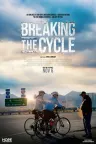
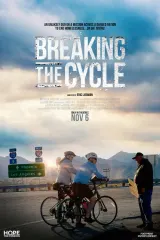
Conservative Christian Ken Craft and progressive skeptic Rowan Vansleve embark on a cross-country bicycle trek from Santa Monica to Washington, D.C., racing against Congress's summer recess. Their mission: raise funds for homeless shelters and demand a federal guarantee of safe beds for all. Along the way, the unlikely duo encounters shelter workers, unhoused individuals, and their own ideological clashes, turning a physical endurance test into a portrait of America's housing crisis.
Director Eric Liebman joins the journey, capturing both the sweeping landscapes and the intimate conversations that challenge both riders' preconceptions. The film blends road-trip camaraderie with on-the-ground reporting, asking whether two people from opposite worlds can find common ground — and whether that common ground can move legislation.
Breaking the Cycle: A Road Documentary With Heart and Flaws
Breaking the Cycle (2026) arrives as a documentary that wears its advocacy on its sleeve. Director Eric Liebman — who also appears on screen — teams with co-writer George Danno to follow Ken Craft, a Christian conservative, and Rowan Vansleve, a self-described skeptic, as they pedal 2,800 miles from Santa Monica to Washington, D.C. Their goal: raise money for shelters and pressure Congress to adopt a "safe bed for anyone" standard. The premise is inherently cinematic: an odd couple, a ticking clock (Congress's recess), and a crisis visible on every street corner. Yet the film's execution oscillates between genuine connection and staged feel-good moments.
The Odd Couple on Two Wheels
The chemistry between Craft and Vansleve is the documentary's anchor. Their ideological friction feels unscripted — Craft prays at roadside stops; Vansleve questions institutional religion — and those tensions humanize the policy talk. Grace Ancheta and Chantel Lopez appear as themselves, adding frontline perspectives from shelter work, though their screen time feels truncated. Liebman's decision to insert himself as a participant-narrator occasionally blurs the line between observer and activist, a choice that may frustrate viewers seeking journalistic distance. The 104-minute runtime allows space for both sweeping landscape shots and intimate shelter visits, but the pacing drags in the middle act where repetitive biking montages substitute for deeper systemic analysis.
Direction and Pacing
Liebman's direction shines in unguarded encounters: a veteran sleeping under a bridge who refuses help, a mother navigating bureaucracy with her child. These moments carry the gut-punch the marketing promises. However, the film leans heavily on emotional manipulation — swelling strings, slow-motion sunrises — that undercuts its own authenticity. The comedy advertised in the tagline surfaces sporadically (a flat tire in the desert, a debate over granola bars) but never fully integrates, leaving tonal whiplash. The climax at the Capitol feels rushed, resolving complex legislative advocacy with a press conference and a hug. For a documentary demanding structural change, the ending settles for symbolic victory.
Who Should Watch
Advocates and newcomers to homelessness policy will find an accessible entry point, though experts may crave more data and less anecdote. Fans of character-driven road docs like The Overnighters or American Winter will appreciate the personal stakes. Skeptics of "awareness journey" films should temper expectations: the ride is the vehicle, not the destination.
Pros
- Authentic chemistry between the two leads drives emotional engagement
- Unfiltered encounters with unhoused individuals avoid exploitation
- Beautiful cinematography captures the scale of the journey
Cons
- Middle act drags with repetitive cycling sequences
- Director's on-screen presence blurs observational credibility
- Policy solutions presented feel oversimplified for a 104-minute runtime
- Tonal shifts between comedy, tragedy, and advocacy feel unearned
Verdict
Breaking the Cycle succeeds as a human-scale portrait of an immense problem, powered by two compelling leads. Its advocacy heart is in the right place, but cinematic shortcuts and a reluctance to interrogate systemic roots keep it from being essential viewing.
Reader Rating
Be the first to rate this movie
Write a Review
Sign in to share what you thought — star ratings above need no account.
Frequently Asked
Is Breaking the Cycle worth watching?
If you enjoy character-driven documentaries about social issues, yes — the central duo is compelling. If you want rigorous policy analysis, you may find it lightweight.
What is Breaking the Cycle about?
Two men with opposing worldviews bike across the U.S. to raise awareness and funds for homelessness, meeting shelter workers and unhoused people along the way.
Is Breaking the Cycle suitable for kids?
The film contains mature themes (homelessness, addiction, systemic failure) and occasional strong language. Parental guidance suggested for viewers under 13.
Who directed Breaking the Cycle?
Eric Liebman directed and co-wrote the film; he also appears on camera as a participant.
How long is Breaking the Cycle?
104 minutes.
If you liked this, watch
Movie data provided by TMDB. This product uses the TMDB API but is not endorsed or certified by TMDB.