

Top Cast


Synopsis
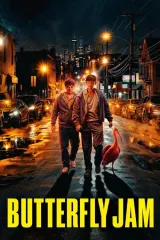
Sixteen-year-old Pyteh (Talha Akdogan) divides his days between the discipline of the wrestling mat and the chaos of his family's struggling Circassian diner in Newark. His father's sudden, reckless choice upends their fragile stability, pulling Pyteh into a collision between inherited duty and his own emerging identity. As the diner's debts mount and the wrestling season narrows, the boy navigates a world of older men — each modeling a different, flawed version of masculinity — while the women in his orbit negotiate survival in the margins.
Butterfly Jam: A Promising But Unproven Entry in Balagov's Filmography
Butterfly Jam arrives as Kantemir Balagov's English-language debut, a shift from the stark Russian landscapes of Beanpole and Closeness to the gritty streets of Newark. The premise — a Circassian-American teenager torn between wrestling discipline and a family diner teetering on collapse — carries the weight of cultural specificity that Balagov has historically handled with unflinching precision. Yet the film's 102-minute runtime suggests a tighter, more conventional structure than his previous work, raising questions about whether his signature long-take intensity survives the transition.
Direction and Atmosphere
Balagov's visual language has always been defined by patient observation and a refusal to look away from physical and emotional discomfort. Early festival reports indicate he retains his collaborator, cinematographer Arseni Khachaturan, but the New Jersey industrial palette offers a different texture than St. Petersburg's brutalist corridors. The wrestling sequences — choreographed with the help of former Olympians — reportedly favor visceral closeness over sports-movie gloss. However, the diner scenes, central to the film's cultural heartbeat, risk feeling stagey if not grounded in the same documentary rigor that made his earlier kitchens feel lived-in. Without a finished cut to assess, the balance between Balagov's authorial control and the demands of a multi-national production (US, France, Germany, Belgium, UK) remains an open question.
Performances: A Cast of Contrasts
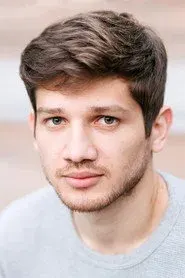
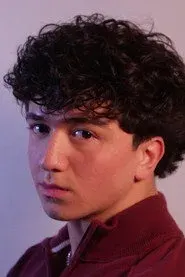
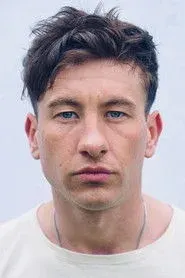
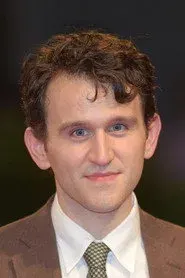
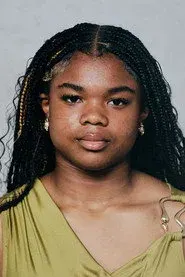
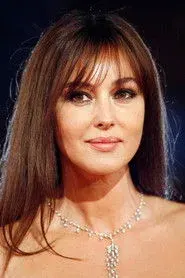
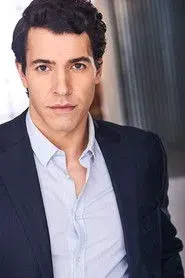
The ensemble is the film's most tangible asset. Talha Akdogan, in his first lead role, carries the silent burden of Pyteh — a character defined by what he suppresses. Opposite him, Barry Keoghan's Azik and Harry Melling's Marat represent opposing poles of masculine performance: one volatile, the other calcified. Riley Keough's Zalya, the only major female presence in the marketing materials, has limited screen time in the synopsis, which is concerning for a story ostensibly about legacy. Monica Bellucci's role is undisclosed, but her casting suggests a maternal or ancestral anchor. The younger actors — Jaliyah Richards as Alika, Princesstorm Woody as Dina — face the challenge of holding frame against seasoned scene-stealers. If Balagov directs them with his usual attention to micro-expressions, the generational friction could be the film's strongest current.
Who Will Connect With This Film
Viewers drawn to immigrant narratives that avoid assimilation clichés — think The Wrestler meets A Prophet — will find the Circassian specificity refreshing. The father's "single impulsive decision" hints at a crime-thriller undercurrent that may alienate purists expecting a pure character study. Balagov's core audience, accustomed to moral ambiguity and formal austerity, should watch for signs of compromise. General audiences may find the pacing deliberate and the cultural codes opaque without exposition. The film's fate likely hinges on whether its final act earns its emotional stakes or defaults to inherited trauma tropes.
Pros
- Kantemir Balagov's proven ability to extract raw, physical performances from non-professional and seasoned actors alike
- Fresh cultural perspective: Circassian-American community in Newark, largely unexplored in mainstream cinema
- Strong ensemble cast led by breakout talent Talha Akdogan alongside established names Keoghan, Keough, Melling, Bellucci
- Wrestling sequences reportedly choreographed for visceral realism rather than sports-movie spectacle
- Tight 102-minute runtime suggests narrative discipline absent from many contemporary dramas
Cons
- First English-language film for Balagov — risk of tonal or linguistic friction in a multi-national production
- Female characters appear marginalized in promotional materials despite story's focus on family legacy
- Premise risks familiar immigrant-family/coming-of-age beats without distinctive subversion
- No festival premiere or critical consensus yet — reception entirely speculative
- Marketing emphasizes male ensemble; Monica Bellucci's role undisclosed, raising utilization concerns
Verdict
Butterfly Jam has the ingredients for a distinctive cross-cultural drama — an auteur director working in a new language, a committed cast, and a culturally specific setting rarely seen on screen. Whether it coheres into a vital work or a noble misfire will only be clear when the film reaches audiences; for now, it remains a compelling unknown.
Reader Rating
Be the first to rate this movie
Write a Review
Sign in to share what you thought — star ratings above need no account.
Frequently Asked
Is Butterfly Jam worth watching?
If you follow auteur cinema or Kantemir Balagov's work, it's a high-priority watch. For general audiences, wait for critical consensus — the film's specific cultural lens and deliberate pacing may not suit all tastes.
What is Butterfly Jam about?
A 16-year-old Circassian-American wrestler in Newark balances family diner obligations with athletic ambition after his father's impulsive decision upends their lives, exploring masculinity, legacy, and cultural identity.
Is Butterfly Jam suitable for kids?
No official certification exists yet, but given Balagov's history of intense physical and emotional realism, mature themes, and likely strong language, it is almost certainly not appropriate for children.
Who directed Butterfly Jam?
Kantemir Balagov, the Russian director of Cannes winners Beanpole (2019) and Closeness (2017), makes his English-language feature debut.
Where was Butterfly Jam filmed?
Set in Newark, the production is a co-production between the United States, France, Germany, Belgium, and the United Kingdom — suggesting filming across multiple locations.
If you liked this, watch
Movie data provided by TMDB. This product uses the TMDB API but is not endorsed or certified by TMDB.