

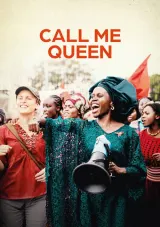
Top Cast
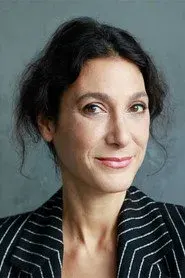



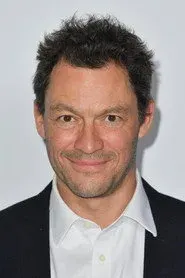


Synopsis
In 1990s Kenya, Irish journalist Michael (Charlie Carrick) forms an unlikely alliance with Queen (Eliane Umuhire), a Rwandan woman navigating the devastation of the AIDS epidemic. Together they confront bureaucratic indifference, pharmaceutical barriers, and deep-seated stigma to bring treatment and dignity to affected communities.
As their partnership deepens, both must reckon with the limits of outsider intervention and the resilience of local networks fighting for survival.
Call Me Queen: A Transnational Drama with Uneven Execution
Call Me Queen arrives as a transnational drama tackling the 1990s AIDS crisis in Kenya through an unlikely friendship between an Irish journalist and a Rwandan woman. Director Emily Atef, working from a script credited to four writers, aims for a sweeping humanist portrait but often struggles to reconcile its intimate character study with the geopolitical weight of its subject matter.
Direction and Scope
Atef’s direction is most assured in quiet, observational moments — the dusty streets of Nairobi, the hushed interiors of clinics, the unspoken tension between expatriate privilege and local resilience. Yet the film’s multinational production (Germany, UK, Kenya, France) sometimes shows in a fragmented visual language; shifts between handheld urgency and polished composition can feel jarring rather than deliberate. The 12 certification suggests a restrained approach to the epidemic’s visceral reality, which may disappoint viewers expecting unflinching honesty.
Performances: Anchored by Umuhire
Eliane Umuhire as Queen delivers the film’s emotional core, conveying grief, anger, and pragmatic hope with minimal dialogue. Her chemistry with Charlie Carrick’s Michael (the Irish journalist) is credible, though the script occasionally reduces Michael to a conduit for exposition. Dominic West and Denise Gough, as supporting Western figures, are given too little interiority to rise above archetype. The Kenyan ensemble — Michelle Tiren, Lwanda Jawar, Gerald Langiri, Nice Githinji — provides vital texture but remains underutilized.
Narrative Balance and Historical Weight
The screenplay attempts to weave personal drama with systemic critique: pharmaceutical greed, governmental neglect, cultural stigma. At its best, Call Me Queen illustrates how grassroots activism forced global attention. At its worst, it flattens complex history into a series of teachable moments, and the third act rushes toward a resolution that feels earned more by narrative convention than character logic. The AIDS crisis deserves a film as messy and relentless as the activism it depicts; this one too often settles for earnestness.
Who Should Watch
Viewers drawn to historical dramas about global health crises, or fans of Umuhire’s previous work (Birds Are Singing in Kigali, Omen), will find enough to engage. Those seeking a rigorous political indictment or a deeply novelistic friendship may leave wanting. The film’s heart is in the right place; its craft, however, doesn’t fully match its ambition.
Pros
- Eliane Umuhire’s commanding, nuanced lead performance
- Authentic Kenyan locations and supporting cast texture
- Timely subject matter handled with sincere empathy
- Effective depiction of grassroots activism mechanics
Cons
- Fragmented visual style undermines tonal cohesion
- Western characters remain underdeveloped archetypes
- Historical complexity flattened into didactic beats
- Rushed third-act resolution feels unearned
- 12 rating softens the epidemic’s visceral reality
Verdict
Call Me Queen is a well-intentioned, uneven drama elevated by Eliane Umuhire’s powerful performance but hampered by a script that simplifies the very crisis it seeks to illuminate. Worth watching for its perspective and lead actress, though it falls short of the urgency its subject demands.
Reader Rating
Be the first to rate this movie
Write a Review
Sign in to share what you thought — star ratings above need no account.
Frequently Asked
Is Call Me Queen worth watching?
It’s worth watching for Eliane Umuhire’s performance and a rare cinematic focus on the 1990s Kenyan AIDS crisis, but temper expectations regarding narrative depth and political sharpness.
What is Call Me Queen about?
An Irish journalist and a Rwandan woman form a friendship while confronting the AIDS epidemic in 1990s Kenya, battling stigma, bureaucracy, and pharmaceutical barriers to bring treatment to affected communities.
Is Call Me Queen suitable for kids?
Rated 12, it contains mature themes — illness, death, systemic neglect — but minimal graphic content. Parental guidance is advised for younger teens.
Who directed Call Me Queen?
Emily Atef directed the film, co-writing the screenplay with Jeannine Dominy, Josune Hahnheiser, and Lara Santoro.
Where was Call Me Queen filmed?
The production shot on location in Kenya, with additional work in Germany, the United Kingdom, and France.
If you liked this, watch
Movie data provided by TMDB. This product uses the TMDB API but is not endorsed or certified by TMDB.