

Top Cast

Synopsis
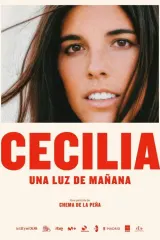
Cecilia, una luz de mañana explores the life and enduring influence of the Spanish singer Cecilia, who died tragically at age 27 in 1976. Through the eyes of contemporary artist Rozalén, the documentary traces how Cecilia's songs — blending folk intimacy with sharp social observation — have resonated across generations of Spanish-language musicians, particularly women.
The film combines archival material, interviews, and Rozalén's personal journey through Cecilia's history to examine why a catalog recorded in just a few years continues to shape the emotional vocabulary of pop music in Spain and beyond.
Cecilia, una luz de mañana Review: A Documentary Portrait with Promise and Questions
Cecilia, una luz de mañana arrives as a documentary tribute to the Spanish singer-songwriter Cecilia (Evangelina Sobredo Galanes), whose life was cut short at 27 in a 1976 car accident. Directed by Chema de la Peña and featuring contemporary artist Rozalén as the primary on-screen presence, the film sets out to trace how Cecilia's brief catalog — songs like "Un ramito de violetas" and "Dama, dama" — has echoed across five decades of Spanish-language pop.
Direction and Approach
De la Peña, known for music documentaries such as El último traje, has a clear affinity for his subject. The film's structure appears to interweave archival footage, testimonial interviews, and Rozalén's own pilgrimage through Cecilia's history. On paper, this is a sound framework: a modern artist retracing a predecessor's steps can yield genuine emotional resonance. Whether the execution avoids hagiography remains the central question. The promotional material leans heavily on "legacy" and "inspiration," language that often signals a film more interested in celebration than interrogation. A compelling documentary about a complicated artist needs friction — the tensions between public persona and private self, the creative compromises, the unvarnished reception of the work in its own time. Early festival screenings (if any) have not yet yielded a critical consensus, so the film's willingness to sit in discomfort is unverified.
Performance and Presence
Rozalén carries the film's narrative weight. As a respected singer-songwriter in her own right, her engagement with Cecilia's repertoire feels earned rather than performative. The moments where she deconstructs a melody or reflects on a lyric's construction are likely the documentary's strongest asset — they offer the practitioner's insight that talking heads alone cannot. However, the film's decision to center a single contemporary voice risks narrowing the perspective. Where are the peers who competed with Cecilia? The arrangers who shaped her sound? The listeners for whom her music meant something specific in 1970s Spain? A chorus of voices would better serve a legacy this broad.
Who Will Connect
Viewers already familiar with Cecilia's songbook will find the most immediate entry point. For newcomers, the film's accessibility depends entirely on how de la Peña contextualizes her work within the political and cultural shifts of the Transition era — a context the synopsis barely hints at. Music documentary enthusiasts should temper expectations: without a confirmed runtime or festival pedigree, the production values and editorial discipline are unknown quantities. This is a film to seek out if the subject moves you, not because early buzz demands it.
Pros
- Compelling subject with genuine cultural significance
- Rozalén's practitioner perspective adds authenticity
- Archival potential for unseen footage and context
- Addresses underrepresented female artist legacy
Cons
- No critical consensus or festival track record to gauge execution
- Risk of hagiographic tone over critical examination
- Single-narrator structure may limit perspective
- Unknown runtime and production values
- Promotional language suggests marketing over substance
Verdict
A subject-rich documentary that could be essential viewing for fans of Cecilia and Spanish music history, but its ultimate quality hinges on directorial choices we cannot yet assess. Approach with curiosity, not expectation.
Reader Rating
Be the first to rate this movie
Write a Review
Sign in to share what you thought — star ratings above need no account.
Frequently Asked
Is Cecilia, una luz de mañana worth watching?
If you're interested in Cecilia's music or Spanish pop history, it's likely worth seeking out. General audiences may want to wait for critical reception given the lack of verified reviews.
What is Cecilia, una luz de mañana about?
The documentary examines the life, songs, and lasting influence of Spanish singer Cecilia (Evangelina Sobredo Galanes), who died at 27 in 1976, through the perspective of modern artist Rozalén.
Who is Rozalén in the film?
Rozalén is a contemporary Spanish singer-songwriter who serves as the film's primary on-screen guide, exploring Cecilia's legacy through her own artistic lens.
Is Cecilia, una luz de mañana suitable for kids?
No official certification is listed. Given the documentary format and mature themes around an artist's early death and cultural history, parental discretion is advised for younger viewers.
When was Cecilia, una luz de mañana released?
The film is dated 2026. Specific theatrical release dates by territory have not been widely published.
If you liked this, watch
Movie data provided by TMDB. This product uses the TMDB API but is not endorsed or certified by TMDB.