


Top Cast
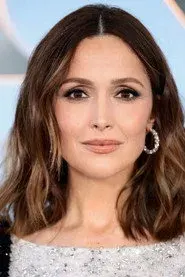
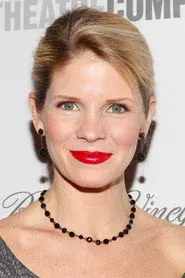
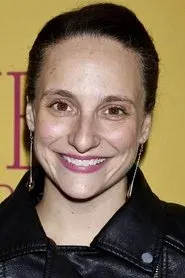
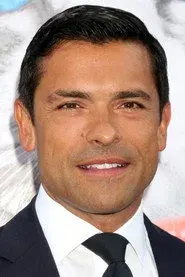

Trailer
Synopsis
While their husbands are away for the day, two elegant upper-class wives — Jane Banbury (Rose Byrne) and Julia Sterroll (Kelli O'Hara) — pass the hours drinking and reminiscing about their romantic pasts. They soon discover they both carried on affairs with the same charming Frenchman, Maurice Duclos (Mark Consuelos), years earlier. As the alcohol flows and old rivalries resurface, word arrives that Maurice may be traveling from France to pay them a visit, forcing each woman to confront what she truly wants from her marriage, her friend, and the man who once captivated them both.
Fallen Angels 2026 Review: A Theatrical Gem on Screen?
Noël Coward's Fallen Angels arrives in cinemas via director Annette Jolles with a formidable cast and a brisk 95-minute runtime. The question isn't whether the source material sparkles — Coward's 1925 comedy of manners is a known quantity — but whether this adaptation justifies the leap from stage to screen.
Direction and Adaptation Choices
Jolles, a theatre veteran making her feature directorial debut, keeps the action claustrophobic and dialogue-driven, much like the original drawing-room setting. The film unfolds largely in real time as Jane (Rose Byrne) and Julia (Kelli O'Hara) await the arrival of their shared former lover, Maurice (Mark Consuelos). This theatrical fidelity is both strength and limitation: the verbal wit lands sharply, but visual dynamism is scarce. A few exterior glimpses and a fantasy sequence attempt cinematic expansion, yet they feel grafted on rather than organic. At 95 minutes, the pacing is tight — perhaps too tight for the slow-burn tension Coward's structure demands.
Performances: The Real Draw
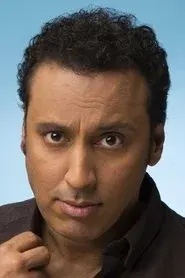
Byrne and O'Hara are a delightful double act, their chemistry crackling with decades of suppressed rivalry. Byrne's Jane is all brittle sophistication masking insecurity; O'Hara's Julia radiates warmer but no less calculating energy. Their drunk scene — the play's centerpiece — is handled with commendable restraint, avoiding broad caricature. Consuelos, as the off-screen-then-on catalyst, brings suave charm but limited screen time. The supporting trio — Tracee Chimo as the sharp-tongued maid Saunders, Christopher Fitzgerald as Jane's oblivious husband Willy, and Aasif Mandvi as Julia's Fred — provide solid foil work, though their arcs are truncated by the runtime.
Who Will Enjoy This?
Devotees of classic stage comedy, Coward aficionados, and fans of the lead actors will find much to savor. The dialogue retains its razor edge: lines about marriage, memory, and the "perfect" past lover still sting. However, viewers expecting a opened-up, visually rich period piece may feel shortchanged. The film's stage roots show in its static framing and reliance on exposition-heavy exchanges. It's a faithful, well-acted curio — but whether it transcends its origins remains debatable.
Pros
- Rose Byrne and Kelli O'Hara deliver sparkling, nuanced chemistry
- Noël Coward's dialogue retains its wit and bite nearly a century later
- Brisk 95-minute runtime respects the audience's time
- Strong supporting turns from Tracee Chimo and Christopher Fitzgerald
- Faithful adaptation that preserves the play's structural elegance
Cons
- Stage-bound direction offers little visual invention or cinematic scope
- Truncated runtime rushes the emotional buildup to the climax
- Maurice's late arrival limits Mark Consuelos's impact
- Fantasy sequences feel tacked on rather than integrated
- May feel static to viewers unfamiliar with drawing-room comedy conventions
Verdict
A polished, well-acted chamber piece that honors its theatrical source but struggles to fully justify its cinematic existence. Worth watching for the lead performances and Coward's still-sharp wit, but don't expect a reinvention.
Reader Rating
Be the first to rate this movie
Write a Review
Sign in to share what you thought — star ratings above need no account.
Frequently Asked
Is Fallen Angels 2026 worth watching?
If you enjoy classic stage comedies, sharp dialogue, and strong lead performances, yes. If you prefer visually dynamic or plot-driven films, it may feel too talky and static.
What is Fallen Angels 2026 about?
Two upper-class wives spend a day drinking and revisiting their shared romantic history with the same French lover, who may be on his way to visit them, stirring old jealousies and marital tensions.
Is Fallen Angels 2026 suitable for kids?
The film deals with adult themes — infidelity, marital dissatisfaction, alcohol consumption — and features sophisticated dialogue. It's best suited for mature teens and adults.
Is Fallen Angels 2026 based on a play?
Yes, it adapts Noël Coward's 1925 stage comedy 'Fallen Angels,' retaining its drawing-room setting and real-time structure.
Who directed Fallen Angels 2026?
Annette Jolles, a theatre director making her feature film debut.
If you liked this, watch
Movie data provided by TMDB. This product uses the TMDB API but is not endorsed or certified by TMDB.