

Top Cast

Synopsis
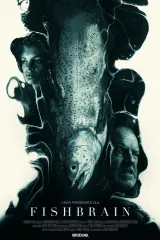
In a dying coastal town, Ori (Chloe Lea) cares for her ailing grandfather Jeb (John Henshaw) while dreaming of escape. When a mysterious haul of chemically contaminated fish washes ashore, a local contact offers her enough money to leave—provided she processes the catch, which inevitably means serving it to Jeb.
As the tide turns and the buyer’s deadline looms, Ori wrestles with an impossible choice: poison the only family she has left, or remain trapped in a place that has already swallowed everyone else’s future.
Fishbrain: A Tight, Uneven Coastal Horror
Fishbrain (2026) arrives as a 22-minute pressure cooker, distilling folk horror and familial obligation into a single, tide‑washed dilemma. Writer‑director Max Vanderspuy confines the action to a crumbling seaside village where the economy has collapsed, the young have fled, and the remaining residents wait for something—anything—to change. When a shoal of chemically tainted fish washes ashore, Ori (Chloe Lea) sees a grim lottery ticket: sell the catch to a shady buyer and fund her escape, but only if she can bring herself to feed the poison to her bedridden grandfather Jeb (John Henshaw). The premise is lean, the stakes personal, and the runtime forces every scene to earn its keep.
Direction and Atmosphere
Vanderspuy makes the most of his micro‑budget constraints. The cinematography leans into the grey‑green palette of the coast—peeling paint, rusted trawlers, skies that never quite brighten. Sound design does heavy lifting: the constant hiss of surf, the rattle of Jeb’s oxygen tank, the wet slap of fish on a cleaning table. These choices create a palpable sense of decay without needing exposition dumps. However, the short format occasionally works against the atmosphere. A few transitions feel abrupt, as if scenes were trimmed to hit the 22‑minute mark, leaving emotional beats under‑explored. The horror elements are suggested rather than shown—tainted fish glisten with an unnatural sheen, Jeb’s cough worsens—but the film never fully commits to body horror or psychological dread, hovering in an unsatisfying middle ground.
Performances Carry the Weight
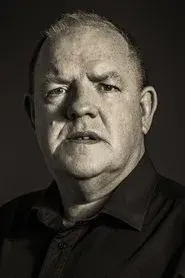
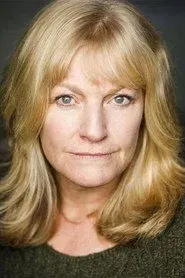
The three‑person cast is the film’s strongest asset. John Henshaw brings a weathered gravitas to Jeb; his few lines are delivered with a rasp that suggests a lifetime of breathing salt air and regret. Chloe Lea carries the moral conflict with restraint—Ori’s desperation reads in the tension around her eyes, not in melodramatic outbursts. Karren Winchester as Imogen, the intermediary who offers the escape route, injects a cold pragmatism that contrasts neatly with Ori’s guilt. The chemistry between Lea and Henshaw sells the granddaughter‑grandfather bond in mere minutes, making the central ethical question—poison a loved one to save yourself—feel earned rather than contrived.
Story and Pacing
The script’s efficiency is both a virtue and a limitation. The setup, confrontation, and climax unfold in a brisk three‑act structure that respects the short runtime. Yet the moral complexity promised by the premise is only skimmed. Ori’s internal debate—duty versus survival—deserves more screen time than the film allows, and the final decision arrives with a suddenness that robs it of tragic weight. The horror tag feels generous; this is closer to a grim drama with a speculative hook. Viewers expecting visceral scares will leave disappointed, but those who appreciate character‑driven tension may find the ending’s ambiguity lingering.
Who Will Enjoy Fishbrain?
Fans of slow‑burn, location‑heavy horror like The Witch or Relic will recognize the DNA here—family as curse, environment as antagonist. The short‑film format makes it a low‑commitment watch for festival circuits or late‑night streaming. Conversely, audiences seeking conventional jump scares, creature features, or clear resolutions should look elsewhere. Fishbrain is a calling card for Vanderspuy: it proves he can direct actors and wring atmosphere from limited resources, even if the narrative ambition slightly outpaces the runtime.
Pros
- Strong, lived-in performances from Henshaw and Lea
- Evocative coastal cinematography and sound design
- Tight, no-fat premise with clear stakes
- Effective use of micro-budget limitations
- Intriguing moral dilemma at its core
Cons
- Runtime too short to fully develop the ethical conflict
- Horror elements feel half-committed, neither visceral nor psychological
- Abrupt transitions suggest heavy editing
- Supporting character Imogen underwritten
- Ending ambiguity feels more like truncation than intention
Verdict
Fishbrain is a well-acted, atmospheric short that bites off more thematic weight than its 22 minutes can fully chew. It showcases genuine directorial promise but leaves its central moral crisis underexplored. Worth a watch for fans of character-driven folk horror, but don't expect a complete meal.
Reader Rating
Be the first to rate this movie
Write a Review
Sign in to share what you thought — star ratings above need no account.
Frequently Asked
Is Fishbrain worth watching?
If you enjoy slow-burn, character-driven horror shorts with strong performances, yes. It's a 22-minute commitment with atmospheric merit, though the story feels compressed.
What is Fishbrain about?
A granddaughter in a decaying coastal town considers feeding tainted fish to her dependent grandfather to fund her escape.
Is Fishbrain suitable for kids?
No. The film deals with dark themes of elder care, moral compromise, and implied body horror; it's intended for mature audiences.
Movie data provided by TMDB. This product uses the TMDB API but is not endorsed or certified by TMDB.