


Top Cast








Trailer
Synopsis
In a near-future where Artificial Friends serve as companions for genetically "lifted" children, Klara (Jenna Ortega) — an AF with keen observational powers and a quasi-spiritual reverence for the Sun — is chosen by Josie (Mia Tharia), a brilliant but ailing teenager. As Klara integrates into Josie's fractured household, she forms a bond with the girl while navigating the complex dynamics of Josie's grieving mother Chrissie (Amy Adams) and childhood friend Rick (Aran Murphy). Through Klara's literal yet profound perspective, the film explores what it means to love, sacrifice, and hope in a world where technology promises to ease human pain but cannot eliminate it.
Klara and the Sun Review: A Gentle Sci-Fi Fable With Uneven Execution
Waititi's Restrained Direction
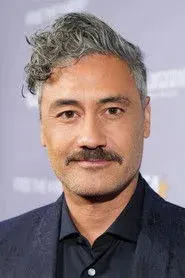
Taika Waititi trades his signature manic energy for something quieter in Klara and the Sun, adapting Kazuo Ishiguro's Nobel Prize-winning novel with a reverence that sometimes borders on inertia. The New Zealand/UK/US co-production shows in the film's textured, lived-in future — neither sleek utopia nor gritty dystopia, but a world where Artificial Friends sit in store windows waiting for children who may never come. Waititi's camera lingers on Klara's solar-powered observations, capturing dust motes in afternoon light with almost devotional patience. The production design deserves particular praise: the AF store's sterile warmth, the family home's cluttered grief, the countryside's overgrown beauty all feel deliberately chosen. Yet this restraint occasionally curdles into passivity; scenes that need dramatic tension dissolve into mood, and the 116-minute runtime feels longer than its modest length suggests. Waititi seems so afraid of overdirecting that he occasionally underdirects, letting moments that should land with weight simply float by.
Ortega Anchors an Exceptional Ensemble
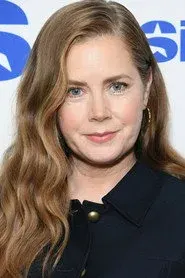
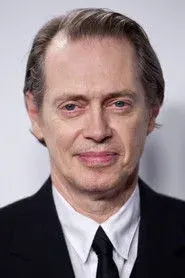
Jenna Ortega carries the film's emotional weight as Klara, conveying artificial consciousness without robotic clichés — her stillness is deliberate, her curiosity tinged with something resembling yearning. She finds nuance in the character's limited vocabulary and literal interpretations, making Klara's devotion feel earned rather than programmed. Mia Tharia's Josie balances fragility and quiet defiance, her physical performance conveying illness without melodrama. Amy Adams brings layered weariness to Chrissie, a mother navigating grief and the ethics of genetic "lifting" with a complexity the script only hints at. Natasha Lyonne's Manager adds sardonic warmth in limited screen time, and Steve Buscemi — though underutilized in a role that could have used his particular gravity — grounds his scenes with lived-in authenticity. Rachel House and Davida McKenzie round out a cast that elevates material occasionally asking them to embody themes rather than fully realized characters.
Big Ideas, Small Payoffs
Ishiguro's novel explored love, mortality, and what it means to be human through an AF's limited perspective. Dahvi Waller and Waititi's screenplay preserves the premise but struggles to translate interiority to screen. The "Sun" as quasi-deity works metaphorically on the page but feels awkwardly literalized here, undermining the ambiguity that made the novel haunting. Key relationships — particularly Klara's bond with Rick (Aran Murphy) — develop in narrative shorthand, robbing pivotal moments of earned emotion. The film raises profound questions about substitution, sacrifice, and the commodification of care, then resolves them with a gentleness that reads as evasion rather than grace. The third act's emotional climax arrives with insufficient setup, leaving the viewer admiring the craft while feeling strangely unmoved.
Who Will Connect
Viewers seeking Ex Machina-style intellectual provocation may find the pace glacial; those drawn to Her's tender melancholy will recognize a kindred spirit, albeit one less assured in its execution. Families with teens might appreciate the PG-13 exploration of technology's role in emotional lives, though the film's deliberate rhythm demands patience younger viewers may not possess. Ultimately, Klara and the Sun is a beautiful, flawed vessel — one that carries profound questions but doesn't always know where to dock.
Pros
- Jenna Ortega's nuanced, committed lead performance as Klara
- Thoughtful production design creating a believable near-future
- Strong supporting cast elevating thinly written roles
- Taika Waititi's surprising directorial restraint suits the material
Cons
- Glacial pacing undermines dramatic tension throughout
- Third-act emotional beats land without sufficient setup
- Key themes from the novel feel softened or literalized on screen
- Steve Buscemi and Natasha Lyonne notably underutilized
Verdict
A visually lovely, well-acted adaptation that honors its source material's themes but lacks the narrative courage to fully realize them. Worth seeing for Ortega's performance and Waititi's unexpected restraint, but don't expect the emotional devastation the premise promises.
Reader Rating
Be the first to rate this movie
Write a Review
Sign in to share what you thought — star ratings above need no account.
Frequently Asked
Is Klara and the Sun worth watching?
If you appreciate slow-burn sci-fi dramas and strong performances, yes — but temper expectations for emotional payoff. The film is more admirable than moving.
What is Klara and the Sun about?
An Artificial Friend named Klara forms a deep bond with a sick teenager, exploring love, mortality, and humanity through an AI's innocent perspective in a near-future society.
Is Klara and the Sun suitable for kids?
Rated PG-13 for thematic elements and brief language. Mature teens may engage with its ideas, but younger children will likely find the pace tedious and themes heavy.
How does the movie compare to Kazuo Ishiguro's novel?
Faithful in premise and characters but struggles to translate the novel's interiority and ambiguity. The film's literalization of the Sun metaphor and compressed relationships lose some of the book's haunting power.
Who directed Klara and the Sun?
Taika Waititi directed from a screenplay by Dahvi Waller, Waititi, and Kazuo Ishiguro, marking a tonal departure from his usual comedic style.
If you liked this, watch
Movie data provided by TMDB. This product uses the TMDB API but is not endorsed or certified by TMDB.