

Top Cast
Synopsis
Layla, a drifting twenty-something, is shaken by a vivid, ominous dream. The unsettling vision compels her to reach out to Dalia, a friend she hasn't spoken to in years. As the two women tentatively reconnect over the course of a single afternoon, buried tensions and unspoken histories surface, blurring the line between the dream's symbolism and the reality of their fractured bond.
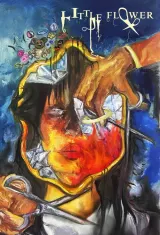
Little Flower: A Compact Dream Study That Lingers
Little Flower, Rodger Woodruff III's 16-minute drama, opens with an ominous dream that jolts Layla (Nisreen Salem) out of her aimless routine. The premise is slender — a directionless twenty-something reaches out to an old friend, Dalia (Newsha Sadri), after a nightmare — but the film uses its brevity to concentrate atmosphere over exposition. Woodruff directs with a deliberate, almost tactile sense of unease; the camera lingers on domestic details (a flickering light, a half-empty tea cup) that feel both ordinary and charged. The result is a short that feels longer than its runtime in the best way: it trusts silence and small gestures to carry psychological weight.
Direction & Atmosphere
Woodruff's background in experimental shorts shows. He favors static compositions and natural light, letting the apartment's muted palette reflect Layla's emotional stagnation. The dream sequence, rendered with a subtle shift in color temperature and sound design, avoids cheap surrealism; it feels like a genuine intrusion of the subconscious. However, the film's austerity occasionally tips into inertia. A few scenes — particularly a prolonged hallway conversation — could benefit from tighter editing. The score, minimal and piano-driven, supports without overwhelming, though it sometimes feels like a placeholder for a more distinctive sonic identity.
Performances
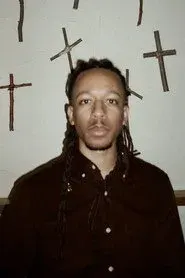
Salem, who also wrote the script, carries the film with a restrained, interior performance. She conveys Layla's drift through micro-expressions: the way she avoids eye contact, the hesitation before sending a text. Sadri matches her as Dalia, projecting a guarded warmth that hints at a shared history the script only sketches. Salim Kassam as Amo Hassan and Sawsan Mustafa as Mama appear briefly but add cultural texture, grounding the story in a specific immigrant-family context that enriches without explaining. Anthony Egwu's Ghoul, a figure from the dream, is effectively unsettling despite limited screen time. The ensemble feels lived-in, a testament to casting that prioritizes chemistry over star power.
Narrative Economy
At 16 minutes, Little Flower has no room for subplots. The script (by Salem) trusts the audience to infer the fracture between Layla and Dalia from a few loaded exchanges. This economy is refreshing, yet it also leaves the emotional payoff slightly undercooked. The final reconciliation beat arrives quickly, and the film's thematic ambitions — guilt, cultural expectation, the persistence of the past — are gestured at rather than explored. For a short, that may be inevitable, but it prevents the piece from resonating as deeply as its strongest moments suggest it could.
Who Should Watch
Viewers who appreciate low-budget, character-driven shorts — think festival fare like The Phone Call or Wasp — will find much to admire. It's a calling card for both Woodruff and Salem, showcasing a clear directorial voice and a writer-performer with range. Casual viewers expecting a conventional narrative arc may find it slight. But as a mood piece about the ghosts we carry into adulthood, it succeeds more often than it falters.
Pros
- Evocative, deliberate direction that maximizes a minimal budget
- Natural, chemistry-driven performances from the leads
- Effective use of sound and color to distinguish dream from reality
- Culturally specific details that add texture without exposition
Cons
- Runtime too brief to fully develop its thematic ambitions
- Pacing occasionally stalls in dialogue-heavy scenes
- Emotional resolution feels rushed and under-earned
- Score feels generic rather than distinctive
Verdict
Little Flower is a promising, atmospherically rich short that showcases strong performances and a confident directorial eye, even if its narrative compression leaves some emotional threads frustratingly loose. Worth a watch for fans of intimate, character-driven indie shorts.
Reader Rating
Be the first to rate this movie
Write a Review
Sign in to share what you thought — star ratings above need no account.
Frequently Asked
Is Little Flower worth watching?
If you enjoy atmospheric, character-driven short films with strong performances and a dreamlike tone, yes. It's a concise 16-minute experience that feels like a festival-quality calling card.
What is Little Flower about?
A directionless young woman named Layla is rattled by an ominous dream and reaches out to an old friend, Dalia. Their reunion brings buried tensions to the surface, blending psychological unease with a quiet study of friendship and cultural identity.
Is Little Flower suitable for kids?
The film is unrated (NR) but deals with mature themes of emotional drift, unresolved guilt, and surreal dream imagery. It's best suited for teen and adult audiences.
Who directed Little Flower?
Rodger Woodruff III directed the film, with Nisreen Salem writing and starring as Layla.
How long is Little Flower?
The runtime is 16 minutes.
If you liked this, watch
Movie data provided by TMDB. This product uses the TMDB API but is not endorsed or certified by TMDB.