
Top Cast

Synopsis
Journalist Amanda (Amber Doig-Thorne) investigates a series of unexplained deaths linked to the real-life events that reportedly inspired a landmark horror film. As she digs deeper, she encounters resistance from Detective Stanway (Elliot Harper) and uncovers a pattern that blurs the line between coincidence, urban legend, and something far darker.
Set against a bleak British backdrop, the film follows Amanda's obsession with a truth that may be more dangerous than the deaths themselves — forcing her to question whether some stories are better left unwritten.
Nightmares (2026) Review: A True-Crime Premise in Search of a Film
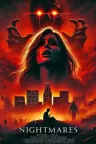
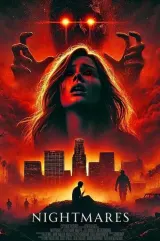
Nightmares (2026) arrives with a hook that practically writes its own trailer: a journalist digging into the real-life events that allegedly inspired "one of the greatest horror movies of all time." It's a meta-concept ripe for tension, but writer-director Gene Fallaize's execution feels caught between a procedural drama and a psychological thriller, never fully committing to either.
Direction and Atmosphere
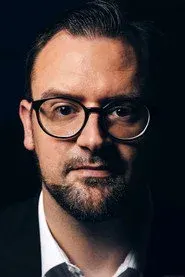
Fallaize wears both writer and director hats, and the control shows — for better and worse. The UK locations are lensed with a damp, muted palette that suits the story's oppressive mood, and there's a deliberate pacing that suggests confidence. But confidence isn't the same as momentum. Scenes often linger past their dramatic utility, and the script's structure — alternating between Amanda's investigation and flashbacks to the original deaths — creates a rhythm that stalls more than it builds. The "true story" framing device feels underexplored; we're told the connection to a horror classic is significant, but the film never interrogates why that matters beyond surface-level name-dropping.
Performances: Grounded but Underutilized
Amber Doig-Thorne carries the film as Amanda, projecting a weary determination that anchors the more melodramatic beats. She's credible as a journalist — not the glamorous movie version, but someone who makes calls, hits dead ends, and looks tired doing it. Elliot Harper's Detective Stanway provides a solid foil, all bureaucratic skepticism masking something deeper. The chemistry works in their sparse shared scenes, but the script keeps them apart too long, robbing the central dynamic of friction. Supporting players are functional but forgettable, victims of a screenplay more interested in plot mechanics than human texture.
Story: Promise vs. Payoff
The premise promises a Zodiac-meets-The Ring descent into obsession and folklore. What delivers is a competent but conventional mystery that treats its most provocative elements — the "greatest horror movie" lineage, the nature of the deaths — as background texture rather than thematic engine. The third act pivots toward a revelation that's logically sound but emotionally flat, lacking the visceral punch the buildup suggests. Genre fans may appreciate the restraint; others will find it a missed opportunity to blur the line between fact, fiction, and fear.
Who Should Watch
Viewers who prefer atmospheric, slow-burn British thrillers over jump-scare horror will find more to admire here. It's a film that respects its audience's patience — perhaps too much. If you're drawn to true-crime adjacent narratives with a metaphysical edge, it's worth a rental. But don't expect the marketing's "greatest horror movie" lineage to translate into cinematic greatness.
Pros
- Amber Doig-Thorne delivers a grounded, credible lead performance
- Atmospheric UK cinematography establishes mood effectively
- Intriguing meta-premise linking true crime to horror cinema history
- Restrained direction avoids cheap genre tropes
- Solid chemistry between the two leads when they share screen time
Cons
- Pacing drags in the middle act, killing momentum
- The "greatest horror movie" connection feels underdeveloped and unearned
- Third-act reveal is logical but emotionally flat
- Supporting characters are thinly written and forgettable
- Script prioritizes plot mechanics over thematic depth or character interiority
Verdict
Nightmares (2026) has a killer premise and a committed lead, but its slow-burn approach smothers the tension it tries to build. A respectable effort that never quite escapes the shadow of the classic it name-drops.
Reader Rating
Be the first to rate this movie
Write a Review
Sign in to share what you thought — star ratings above need no account.
Frequently Asked
Is Nightmares (2026) worth watching?
If you enjoy slow-burn British thrillers with a true-crime angle, it's a decent rental. Horror fans expecting scares or a deep dive into the "classic" it references may be disappointed.
What is Nightmares (2026) about?
A journalist investigates unexplained deaths tied to the real-life inspiration for a famous horror film, clashing with a skeptical detective while uncovering a disturbing pattern.
Is Nightmares (2026) suitable for kids?
No. The film deals with death, psychological distress, and mature themes. It carries no official certification but is clearly aimed at adult audiences.
Who directed Nightmares (2026)?
Gene Fallaize, who also wrote the screenplay. This appears to be his feature directorial debut.
Is Nightmares (2026) based on a true story?
The film claims its premise is inspired by real events that also influenced a major horror classic, but the specific connection is part of the narrative framework rather than a documented historical account.
If you liked this, watch
Movie data provided by TMDB. This product uses the TMDB API but is not endorsed or certified by TMDB.