
Top Cast

Synopsis
Director Jordan Kronick takes viewers inside legal and clinical psychedelic dosing sessions across North America, following a diverse group of participants: a former NHL player treating concussion damage, a Special Forces veteran confronting suicidal depression, a woman breaking free from opioid dependence, and survivors of the Nova Music Festival attack who credit their psychedelic state during the massacre with preventing trauma. Interwoven are commentary from MAPS founder Rick Doblin and neuroscientist Robin Carhart-Harris on the mechanisms and history of these substances.
The film observes preparation, dosing, and integration phases, capturing intense emotional releases and moments of apparent insight, while tracing the broader movement to legitimize psychedelic-assisted therapy.
Peaking: Psychedelics and the Pursuit of Happiness – Access and Intimacy
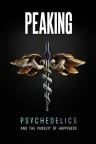
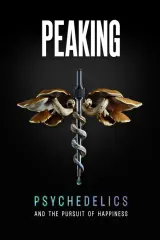
Peaking: Psychedelics and the Pursuit of Happiness arrives with a bold promise: unprecedented access to real psychedelic dosing sessions. Director Jordan Kronick, who also wrote the film, embeds cameras inside clinical and ceremonial spaces where psilocybin, MDMA, and other compounds are administered to pro athletes, combat veterans, a woman recovering from opioid addiction, and survivors of the Nova Music Festival massacre. The result is a 95-minute documentary that feels less like a lecture and more like a witness — raw, emotional, and occasionally uncomfortable.
The Dosing Room as Cinema
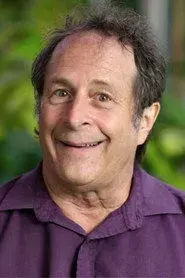
Kronick’s greatest achievement is logistical: gaining trust in rooms where vulnerability is the protocol. We see Daniel Carcillo, former NHL enforcer, confront concussion-induced darkness; Jesse Gould, a former Army Ranger, navigate suicidal ideation; and Chalvia Brown describe how being on psychedelics during the October 7 attack may have inoculated her against PTSD. These moments carry undeniable power. The camera lingers on tears, tremors, and breakthroughs without sensationalism. Yet the film’s reliance on participant testimony — absent independent medical follow-up — leaves efficacy claims largely anecdotal. The inclusion of Rick Doblin (MAPS founder) and neuroscientist Robin Carhart-Harris provides scientific ballast, but their roles blur between expert commentators and advocates.
Science, Advocacy, and Narrative Balance
Peaking: Psychedelics and the Pursuit of Happiness struggles to separate journalism from movement-building. The tagline — "Step into the dosing room and watch psychedelic healing as it happens" — signals intent. Risks (HPPD, psychosis triggers, cardiac concerns) receive fleeting mention; the war on drugs is framed as the sole barrier to healing. Paul Oakenfold’s appearance adds celebrity gloss but little insight. At 95 minutes, the film juggles too many protagonists, sacrificing depth for breadth. The Nova survivors’ segment, while harrowing, feels grafted onto a narrative already crowded with concussion and addiction arcs. A tighter focus on one or two journeys might have yielded a more cohesive thesis.
Who Should Watch
Viewers curious about psychedelic therapy’s human dimension will find this essential viewing — it demystifies the "dosing room" better than any explainer. Skeptics may feel preached to; clinicians will wish for more rigorous data. As a cultural artifact capturing a pivotal moment in drug-policy reform, it succeeds. As a balanced investigation, it leans heavily toward the converts.
Pros
- Unprecedented, fly-on-the-wall access to real psychedelic dosing sessions
- Compelling, diverse participant stories (athletes, veterans, addiction recovery, trauma survivors)
- Timely subject matter at the intersection of mental health, drug policy, and neuroscience
- Strong emotional core that humanizes clinical abstracts
Cons
- Advocacy tone overshadows journalistic distance; risks and limitations under-explored
- Too many protagonists for 95 minutes, diluting narrative depth
- Anecdotal evidence presented without systematic follow-up or control-group context
- Celebrity cameo (Paul Oakenfold) adds little substantive value
Verdict
Peaking offers rare, intimate access to psychedelic therapy in action, making it a valuable document of a shifting paradigm. Its advocacy leanings and scattered focus prevent it from being the definitive critical examination the subject deserves, but the human stories resonate.
Reader Rating
Be the first to rate this movie
Write a Review
Sign in to share what you thought — star ratings above need no account.
Frequently Asked
Is Peaking: Psychedelics and the Pursuit of Happiness worth watching?
Yes, if you want an intimate look at psychedelic therapy sessions and the people pursuing them. It’s less valuable as a balanced scientific review.
What is Peaking: Psychedelics and the Pursuit of Happiness about?
The documentary follows several individuals undergoing legal psychedelic treatments for conditions like concussion-related brain injury, PTSD, opioid addiction, and trauma from the Nova Music Festival attack, intercut with expert commentary.
Is Peaking: Psychedelics and the Pursuit of Happiness suitable for kids?
No. The film depicts intense emotional distress, drug administration, and discussions of suicide and trauma. It is intended for mature audiences.
Where can I watch Peaking: Psychedelics and the Pursuit of Happiness?
As a 2026 theatrical release, check local independent cinemas, film festivals, or upcoming streaming/VOD announcements from the distributor.
How does Peaking compare to other psychedelic documentaries like Fantastic Fungi or How to Change Your Mind?
Peaking distinguishes itself by filming inside actual dosing rooms rather than relying on reenactments or interviews alone. It’s more experiential but less comprehensive on science and history than those series.
If you liked this, watch
Movie data provided by TMDB. This product uses the TMDB API but is not endorsed or certified by TMDB.