

Top Cast
Synopsis
Legendary choreographer Jiří Kylián, nearing the end of his career, creates a final dance work dedicated to his lifelong partner and muse, Sabine Kupferberg. The documentary follows their rehearsal process, capturing the tender, wordless communication that defines decades of shared artistic and personal history.
As the piece takes shape, the film becomes a meditation on love, mortality, and the act of creation itself — offering a rare glimpse into the private world of two artists for whom dance has been the language of a lifetime.
Return to a Strange Land: An Intimate but Uneven Dance Documentary
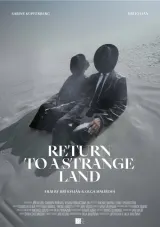
Return to a Strange Land arrives as a quiet, 72-minute documentary that follows legendary choreographer Jiří Kylián as he crafts a final piece for his lifelong partner, Sabine Kupferberg. Director Olga Malířová — who also wrote the film — adopts a fly-on-the-wall approach, letting rehearsals, conversations, and tender moments speak for themselves. The result is a portrait that feels deeply personal, yet its insularity may limit its resonance beyond dance aficionados.
Direction and Intimacy
Malířová’s direction is respectful to a fault. She captures the studio’s hushed atmosphere, the friction of creative decisions, and the unspoken language between two people who have shared decades. However, the film rarely steps outside this bubble. There’s little contextual framing — no talking heads, no historical backdrop — which makes the experience feel like eavesdropping on a private ritual rather than a crafted documentary. The cinematography is competent but unadventurous, often defaulting to static wide shots that prioritize documentation over visual poetry. For a film about movement, it can feel surprisingly static.
Performance and Presence
The “cast” is simply Kylián and Kupferberg as themselves. Their chemistry is undeniable; every glance carries history. Kylián’s choreographic mind is fascinating to watch in real time — he speaks through gesture, shaping Sabine’s body with a mix of authority and reverence. Kupferberg, no longer a performer in the traditional sense, brings a raw vulnerability that anchors the film’s emotional core. Yet the documentary never interrogates their dynamic. It presents their devotion as a given, sidestepping the complexities of a lifelong artistic partnership. The absence of conflict or doubt makes the narrative arc feel flat, even as the subject matter promises profundity.
Who Will Connect
Dance enthusiasts and viewers drawn to meditative, slow-cinema portraits of aging artists will find much to admire. The film’s meditation on ephemerality — the body’s decline, the fleeting nature of performance — is poignant without being maudlin. General audiences, however, may struggle with the hermetic pacing and lack of narrative scaffolding. At 72 minutes, it’s brief, yet it can feel longer because it refuses to offer entry points beyond the central relationship. Certification U means it’s suitable for all ages, but younger viewers are unlikely to engage without a prior interest in contemporary dance.
Pros
- Genuine, unforced chemistry between Kylián and Kupferberg
- Beautiful, intimate rehearsal footage that captures the creative process
- Poignant meditation on aging, love, and artistic legacy
- Respectful direction that avoids sensationalism
- Brief runtime prevents overstaying its welcome
Cons
- Extremely niche appeal; little context for non-dance audiences
- Static visual style underserves the subject's physicality
- Lacks narrative tension or external perspective
- Feels more like a private archive than a crafted film
- May test patience of viewers unfamiliar with Kylián's work
Verdict
A tender but hermetic portrait that will move dance devotees while leaving general viewers at a distance. Worth watching for its authenticity, but don't expect a conventionally structured documentary.
Reader Rating
Be the first to rate this movie
Write a Review
Sign in to share what you thought — star ratings above need no account.
Frequently Asked
Is Return to a Strange Land worth watching?
If you love dance documentaries or intimate artist portraits, yes. For general audiences, its slow pace and insular focus may not hold attention.
What is Return to a Strange Land about?
It follows choreographer Jiří Kylián creating a final dance piece for his lifelong partner Sabine Kupferberg, exploring their shared history and the ephemeral nature of performance.
Is Return to a Strange Land suitable for kids?
Yes, it carries a U certification (suitable for all ages), but its meditative pace and dance-centric subject matter may not engage younger viewers.
Who directed Return to a Strange Land?
Olga Malířová directed and wrote the film.
How long is Return to a Strange Land?
The runtime is 72 minutes.
If you liked this, watch
Movie data provided by TMDB. This product uses the TMDB API but is not endorsed or certified by TMDB.