
Top Cast

Synopsis
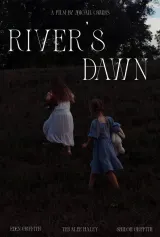
River, a young woman crippled by grief, hears a mysterious sound beneath her window and follows it into the surrounding woods. As she moves through misty landscapes, fragments of memory surface, guiding her toward a quiet confrontation with loss.
The short unfolds as a wordless journey where nature becomes both mirror and balm, inviting the audience to witness a solitary search for inner peace.
River's Dawn: A Brief Meditation on Grief
At just six minutes, River's Dawn attempts to compress a lifetime of sorrow into a single, lyrical walk through woods and memory. Writer‑director Abigail Owers frames the story around Teralee Haley’s River, a young woman paralyzed by loss who follows a faint, almost supernatural sound from her window into a mist‑shrouded landscape. The premise is promising, but the execution feels uneven, oscillating between poetic imagery and narrative shorthand.
Direction and Visual Language
Owers shows a clear eye for natural light; the opening shots of dawn breaking over a quiet river are genuinely striking. Hand‑held camera work during River’s trek adds immediacy, yet the short runtime forces many transitions to feel abrupt. The sound design — especially the recurring low hum that pulls River outward — is the film’s strongest technical element, creating a tactile sense of pull without exposition. However, the visual metaphor of “river as healing” is laid on thick, leaving little room for ambiguity.
Performance
Haley carries the weight of the piece almost alone. Her restrained expressions convey a hollow grief that feels authentic in close‑up, but the script gives her only a handful of spoken lines, most of which are voice‑over recollections. The lack of dialogue limits emotional range; we understand River’s pain intellectually rather than viscerally. Supporting elements — brief flashbacks to a lost partner — are hinted at but never fully realized, leaving the audience to fill large gaps.
Story and Pacing
The narrative arc follows a familiar “journey into nature to find peace” template. Because the film is only six minutes long, each beat — discovery, confrontation, resolution — arrives in rapid succession. The climax, a moment of silent acceptance beside the water, lands with modest impact but feels earned more by runtime constraints than by character development. The tagline “Remembering the past heals the future” is echoed literally, which can feel didactic rather than resonant.
Sound and Score
The minimal score, built around ambient field recordings and a sparse piano motif, reinforces the meditative tone without overwhelming the visuals. Yet the music rarely evolves, mirroring the story’s static emotional trajectory. A more dynamic auditory arc could have mirrored River’s internal shift.
Editing and Structure
Rapid cuts between present‑day wandering and fragmented memories create a dreamlike rhythm, but the editing sometimes sacrifices clarity for style. Transitions between time periods are signaled only by slight color grading shifts, which may confuse viewers unfamiliar with the short’s visual language.
Who Might Connect
Viewers who appreciate experimental shorts, visual poetry, or meditative pieces on mental health may find River's Dawn a worthwhile palate cleanser. Those expecting a conventional narrative with clear stakes and dialogue will likely leave wanting more substance. The film’s brevity makes it easy to watch on a lunch break, but also limits its ability to linger.
Pros
- Striking natural cinematography and dawn lighting
- Effective, immersive sound design
- Committed central performance by Teralee Haley
- Ambitious thematic reach for a six‑minute runtime
- Concise length makes it easily accessible
Cons
- Pacing feels rushed; emotional beats are under‑developed
- Script relies heavily on heavy‑handed metaphor
- Minimal dialogue limits character depth
- Flashback fragments are too sparse to resonate
- Editing transitions can confuse rather than clarify
Verdict
River's Dawn is a visually striking but narratively thin meditation that works best as a brief, atmospheric experience rather than a fully realized story.
Reader Rating
Be the first to rate this movie
Write a Review
Sign in to share what you thought — star ratings above need no account.
Frequently Asked
Is River's Dawn worth watching?
If you enjoy experimental short films that prioritize mood and visuals over plot, it’s a worthwhile six‑minute watch; otherwise, the thin narrative may leave you unsatisfied.
What is River's Dawn about?
A grieving young woman follows a mysterious sound from her window into nature, where memories and the landscape guide her toward a moment of acceptance.
Is River's Dawn suitable for kids?
The film deals with themes of depression and loss and contains no graphic content, but its somber tone and abstract storytelling make it more appropriate for mature teens and adults.
Who directed River's Dawn?
Abigail Owers wrote and directed the short.
How long is River's Dawn?
The runtime is six minutes.
If you liked this, watch
Movie data provided by TMDB. This product uses the TMDB API but is not endorsed or certified by TMDB.