

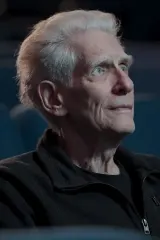
Top Cast
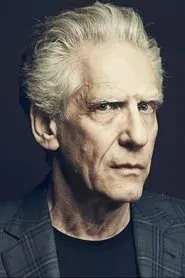
Synopsis
Documentarian Giuseppe Papasso follows David Cronenberg as the iconic Canadian filmmaker recounts his life and career in his own words. Through extensive on-camera interviews, archival footage, and generous clips from his filmography — from early experimental shorts through Videodrome, The Fly, Crash, and A History of Violence — Cronenberg traces the intellectual and personal roots of his singular cinematic vision.
The film moves chronologically, allowing the director to contextualize his recurring preoccupations with bodily transformation, technology's invasion of the organic, and the psychological fractures of modernity. No outside commentators appear; the narrative remains entirely in Cronenberg's hands, offering an authorized self-portrait of one of cinema's most distinctive provocateurs.
The Flesh and the Soul: An Intimate but Uncritical Portrait
The Flesh and the Soul arrives as a 90-minute documentary that essentially hands the microphone to David Cronenberg and lets him hold it for the duration. Director Giuseppe Papasso secures remarkable access — the filmmaker speaks directly to camera, walks through his archives, and annotates clips from Videodrome, The Fly, Crash, and his later literary adaptations. For devotees, the appeal is immediate: Cronenberg is articulate, self-aware, and surprisingly warm when dissecting his own obsessions with bodily transformation, technology, and the uneasy marriage of flesh and machinery.
Direction and Access
Papasso's approach is reverent to a fault. The film unfolds as a chronological walkthrough, stitching together talking-head segments, on-set footage, and generous film excerpts. There are no dissenting voices — no critics, collaborators, or peers invited to challenge or contextualize Cronenberg's self-mythologizing. The visual language is functional rather than inventive; the documentary never develops a cinematic grammar of its own to match the daring of its subject's work. At 90 minutes, it also feels compressed for a career this dense, skimming over the difficult Canadian tax-shelter era and the commercial failures that shaped his pivot toward literary adaptation.
The Subject's Voice
Cronenberg remains the draw. He speaks candidly about his early fascination with disease, the influence of his father's writing, and the intellectual scaffolding behind his "body horror" label — a term he visibly resists. His reflections on aging, mortality, and the shift from practical effects to CGI carry genuine weight. Yet the film never presses him on the blind spots: the gender politics of Dead Ringers or Crash, the limited roles for women across his filmography, or the way his clinical detachment can alienate audiences. The absence of friction makes the portrait feel authorized rather than examined.
Who Should Watch
If you've written essays on eXistenZ or own the Criterion Scanners Blu-ray, you'll watch regardless — and you'll savor the anecdotes. For the Cronenberg-curious, this functions as a competent, if uncritical, primer. General documentary fans may find the form too conventional, the insight too controlled. The film rewards affection more than inquiry.
Pros
- Unprecedented direct access to Cronenberg's candid self-reflection
- Generous, well-chosen film clips spanning the full career
- Cronenberg's articulate deconstruction of his own themes
- Intimate tone feels like a private masterclass
- Efficient 90-minute runtime respects the viewer's time
Cons
- Zero external perspectives — no critics, collaborators, or challengers
- Conventional talking-head format lacks visual ambition
- Skips or soft-pedals controversial aspects of the work
- Compressed runtime leaves major periods underexplored
- Feels more like an authorized tribute than a critical examination
Verdict
A warm, access-rich portrait that satisfies fans but refuses critical distance. Essential for Cronenberg completists; optional for viewers seeking a more interrogative documentary.
Reader Rating
Be the first to rate this movie
Write a Review
Sign in to share what you thought — star ratings above need no account.
Frequently Asked
Is The Flesh and the Soul worth watching for casual film fans?
Only if you already admire Cronenberg's films. The documentary assumes familiarity and offers little context for newcomers.
Does The Flesh and the Soul include interviews with Cronenberg's collaborators?
No. The film relies exclusively on Cronenberg himself, with no appearances by actors, producers, or crew members.
Is The Flesh and the Soul suitable for younger viewers?
The documentary includes clips from R/NC-17 rated films with graphic body horror imagery. Parental discretion is advised.
Who directed The Flesh and the Soul?
Giuseppe Papasso directed this 2026 documentary feature.
What is The Flesh and the Soul about?
It's a career-spanning documentary where David Cronenberg narrates his own life story and creative philosophy, illustrated with film clips and archival material.
If you liked this, watch
Movie data provided by TMDB. This product uses the TMDB API but is not endorsed or certified by TMDB.