

Synopsis
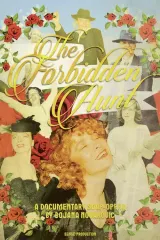
Serbian-Australian actress Bojana Novaković turns the camera on her own family to document the life of her enigmatic aunt, a woman whose guarded past holds the key to generations of unspoken female trauma. Through intimate conversations, archival fragments, and visits to both Australian suburbs and Serbian landscapes, the film pieces together a story of survival, secrecy, and the dark humor that sustains women across borders and decades.
As Novaković presses deeper, the project becomes a negotiation between niece and aunt, filmmaker and subject, raising uncomfortable questions about who owns a family's stories and what it costs to bring them into the light.
The Forbidden Aunt: A Personal Documentary That Struggles to Universalize Its Secrets
Bojana Novaković's The Forbidden Aunt arrives as an 81-minute documentary that wears its intimate origins on its sleeve. The Serbian-Australian actress turns the camera on her own family, specifically an enigmatic aunt whose story promises to unlock generations of suppressed female trauma. The premise is rich with potential — diaspora identity, intergenerational silence, the dark comedy of survival — but the execution reveals the growing pains of a first-time documentarian still learning where the personal ends and the cinematic begins.
Direction & Approach
Novaković's access is undeniable. She captures moments of raw vulnerability that only a family member could elicit: whispered confessions in Serbian kitchens, the uneasy laughter that follows terrible revelations, the body language of women who have spent decades performing resilience. Her dual role as niece and filmmaker creates a tension the film never fully resolves. At times, the camera feels like a therapeutic tool; at others, an intrusion. The "dark comedy" promised in the marketing materials surfaces in fleeting, bitter ironies — an aunt joking about the men who destroyed her while pouring rakija — but the tone wobbles between mordant wit and straightforward melodrama without committing to either.
The 81-minute runtime is both a blessing and a constraint. It prevents the meandering that plagues many personal documentaries, yet several thematic threads — migration trauma, the specifics of Serbian patriarchal structures, the actress's own complicity in the family mythology — are introduced then abandoned. The film's visual language leans heavily on talking heads and archival photos, with occasional poetic interludes (hands kneading dough, rain on Belgrade windows) that feel more like padding than revelation.
The Personal as Political
Where The Forbidden Aunt succeeds is in its refusal to sanitize its subject. The aunt — sharp-tongued, contradictory, occasionally cruel — emerges as a fully realized woman rather than a symbol. Novaković resists the urge to canonize her, allowing the darker currents of resentment and self-mythologizing to surface. This honesty extends to the filmmaker herself; a late-film confrontation where the aunt challenges her niece's motives is the documentary's most electrifying sequence, exposing the ethical quicksand of mining family pain for art.
Less successful is the film's engagement with broader context. References to the Yugoslav wars, socialist feminism, and the Serbian diaspora in Australia float untethered, assuming a historical literacy the global audience may not possess. A tighter edit or occasional contextual narration could have anchored these personal stories in the political forces that shaped them.
Who Should Watch
Viewers drawn to intimate, filmmaker-as-subject documentaries — think Stories We Tell or Cameraperson — will find familiar rewards here: the texture of lived experience, the messiness of memory, the courage of asking difficult questions. Those seeking a polished, structurally ambitious work may feel the film's limitations more acutely. The Serbian-Australian community will recognize specific cultural cadences rarely captured on screen; general audiences may wish for more scaffolding.
Ultimately, The Forbidden Aunt feels like a necessary first draft — a filmmaker excavating her own foundation before building something larger. Its flaws are the flaws of proximity: too close to see the whole shape, too invested to cut the beloved but inessential. Novaković has a documentary voice worth hearing; this film suggests she hasn't yet finished finding it.
Pros
- Extraordinary intimate access yielding moments of genuine vulnerability
- Refuses to sanitize or canonize its complex central subject
- Rare on-screen representation of Serbian-Australian diaspora experience
- A electrifying late-film confrontation that exposes documentary ethics in real time
- Efficient 81-minute runtime avoids the bloat common in personal documentaries
Cons
- Tonal inconsistency between dark comedy and melodrama never resolves
- Historical and political context assumed rather than established for global viewers
- Visual language relies on conventional talking-head/photo tropes with limited innovation
- Several rich thematic threads introduced then abandoned due to runtime constraints
- Filmmaker's dual role as family member and documentarian creates unresolved ethical tension
Verdict
An intimate but uneven personal documentary that captures remarkable access and raw moments while struggling to shape its material into a cohesive cinematic experience. Worth watching for its specificity and honesty, but it feels like a promising filmmaker's apprenticeship piece rather than a fully realized work.
Reader Rating
Based on 1 reader rating
Write a Review
Sign in to share what you thought — star ratings above need no account.
Frequently Asked
Is The Forbidden Aunt worth watching?
If you enjoy intimate, filmmaker-as-subject documentaries like Stories We Tell, yes — it offers rare cultural specificity and raw moments. If you prefer polished, structurally ambitious nonfiction, its limitations may frustrate.
What is The Forbidden Aunt about?
Actress Bojana Novaković documents her Serbian aunt's hidden life, uncovering family secrets and exploring intergenerational female trauma across the Serbian-Australian diaspora.
Is The Forbidden Aunt suitable for kids?
No. The film deals with adult themes including trauma, family dysfunction, and historical violence. No official certification exists yet, but content warrants a mature audience.
Who directed The Forbidden Aunt?
Serbian-Australian actress and first-time documentary director Bojana Novaković, who also appears on camera as the filmmaker-narrator.
Where can I watch The Forbidden Aunt?
As a 2026 theatrical release, check local independent cinemas, film festivals, or upcoming streaming announcements. No wide release platform has been confirmed publicly.
If you liked this, watch
Movie data provided by TMDB. This product uses the TMDB API but is not endorsed or certified by TMDB.