

Top Cast










Synopsis
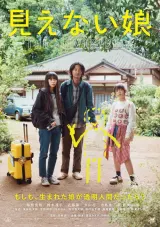
On the secluded Izu Islands, a father raises his four daughters in deliberate obscurity — the youngest, Nene, was born invisible. After their mother's death, the family's fragile equilibrium shatters, compelling them to travel to Tokyo to meet their estranged grandmother, a renowned actress. As they navigate the city's glare, each daughter confronts what it means to be seen, while their father grapples with the fear that exposure will destroy the only life they've known.
The Invisibles: A Quiet Family Drama with a Fantastical Twist
The Invisibles arrives with a premise that immediately grabs attention: a family hiding a daughter born invisible on the remote Izu Islands, forced into the spotlight of Tokyo after the mother's death. Director Ryo Takebayashi, co-writing with Saeri Natsuo, chooses restraint over spectacle, framing the supernatural element as a metaphor for grief, isolation, and the lengths parents go to protect their children. The result is a film that feels more like a subdued character study than a fantasy adventure, and your patience for its deliberate pace will largely determine your engagement.
Direction and Atmosphere
Takebayashi leans heavily on the Izu Islands' rugged coastline and tight-knit community to establish a world that feels lived-in and gently oppressive. The cinematography favors natural light and static compositions, letting the actors' silences speak louder than dialogue. This approach builds a palpable sense of claustrophobia — both physical and emotional — but it also risks stagnation. The journey to Tokyo, which should act as a narrative accelerator, unfolds with the same measured rhythm, making the 110-minute runtime feel longer than it is. There's a fine line between contemplative and inert, and The Invisibles occasionally crosses it.
Performances: Grounded in Grief
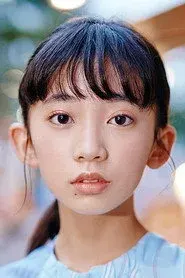
The ensemble carries the film's emotional weight. Katsuya Maiguma as the anxious father conveys a quiet desperation that never tips into melodrama; his fear of the outside world is etched in every hesitant gesture. Hana Yayama, tasked with portraying the invisible Nene Hoshino, delivers a remarkable physical performance — expressive, playful, and heartbreaking without ever being seen on screen. The supporting cast, including veterans Susumu Terajima and Kimiko Yo as the grandmother, add texture, though the script gives them limited room to breathe beyond their archetypes. Hana Kondo and Rinko Suzuki as the other daughters provide necessary sibling friction, but their arcs remain underdeveloped.
Story: Metaphor Over Mechanics
The screenplay treats invisibility not as a puzzle to solve but as a condition to live with. This is refreshing, yet it also means the film sidesteps the logistical questions that might ground its fantasy — how does Nene eat, dress, navigate school? — in favor of thematic resonance. The journey to the grandmother, a famous actress, sets up a clash between hidden authenticity and performed identity, but the payoff feels muted, opting for poetic ambiguity over dramatic confrontation. Viewers seeking a clear narrative arc or emotional catharsis may find the ending deliberately open, even frustrating.
Who Will Enjoy This
If you appreciate Japanese family dramas like Shoplifters or Our Little Sister and don't mind a supernatural element that serves theme over plot, The Invisibles offers a tender, visually assured experience. It's less suited for audiences expecting magical realism with clear rules or a conventional road-trip structure. The G certification suggests accessibility, but the film's slow burn and heavy themes of parental mortality make it more adult-oriented than the rating implies.
Pros
- Striking cinematography that captures the Izu Islands' isolation and Tokyo's overwhelming scale
- Strong central performances, especially Katsuya Maiguma's internalized panic and Hana Yayama's invisible presence
- Refreshing choice to treat invisibility as metaphor rather than plot device
- Nuanced portrayal of sibling dynamics under extraordinary pressure
- Score and sound design that amplify the film's melancholic tone without manipulation
Cons
- Pacing drags in the second act, making the 110-minute runtime feel sluggish
- Supporting characters, including the grandmother, remain thinly sketched
- The fantasy mechanics are never explained, which may frustrate viewers wanting internal logic
- Emotional climax feels underplayed to the point of ambiguity
- Themes of performance vs. authenticity are introduced but not fully explored
Verdict
A beautifully shot, emotionally restrained drama that uses its fantastical hook to explore grief and familial bonds, though its deliberate pacing and ambiguous resolution may test viewers seeking stronger narrative momentum.
Reader Rating
Be the first to rate this movie
Write a Review
Sign in to share what you thought — star ratings above need no account.
Frequently Asked
Is The Invisibles worth watching?
If you enjoy slow-burn Japanese family dramas with a touch of magical realism, yes. If you prefer clear plots, faster pacing, or explained fantasy rules, you may find it frustrating.
What is The Invisibles about?
A family hiding an invisible daughter on remote Japanese islands must travel to Tokyo after the mother's death, confronting grief, exposure, and their estranged grandmother.
Is The Invisibles suitable for kids?
Despite its G rating, the film deals with parental death, grief, and complex family tensions. It's more appropriate for mature teens and adults.
Does The Invisibles have a happy ending?
The ending is deliberately open and bittersweet, focusing on acceptance rather than resolution. Don't expect a conventional happy conclusion.
Who directed The Invisibles?
Ryo Takebayashi directed and co-wrote the film with Saeri Natsuo.
If you liked this, watch
Movie data provided by TMDB. This product uses the TMDB API but is not endorsed or certified by TMDB.