

Top Cast
Trailer
Synopsis
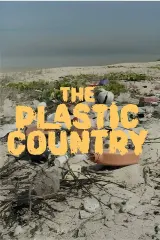
Australian youth climate advocate Kal Glanznig directs and narrates this 70‑minute documentary that traces how plastic waste moves from production lines into oceans, wildlife, and even human bodies. Through interviews with scientists, activists, and Indigenous elders, the film maps the scale of contamination and highlights community‑led cleanup efforts.
While the documentary presents alarming data on microplastic infiltration, it also showcases grassroots solutions and calls for systemic policy change, framing the crisis as both an ecological and a cultural emergency.
The Plastic Country: Direction and Approach
The Plastic Country (2026) arrives as a 70‑minute Australian documentary directed by Kal Glanznig, who also writes and appears on screen. Glanznig frames the film as an investigative journey, threading personal narration with expert testimony from scientists, activists, and Indigenous elders. The result is a compact, mission‑driven piece that feels more like a televised special than a cinematic deep‑dive.
Visual Style and Pacing
Cinematography leans heavily on drone shots of polluted coastlines and close‑ups of microplastic samples. While the imagery is striking, the editing rhythm is uneven: long, contemplative sequences of waste accumulation are interrupted by rapid‑fire interview cuts that rarely allow a single voice to breathe. The 70‑minute runtime forces a brisk pace, but the film occasionally sacrifices depth for breadth, skimming over systemic policy failures in favor of emotive vignettes.
Interviews and On‑Screen Presence
Glanznig’s on‑camera presence is earnest, yet his delivery sometimes veers into advocacy‑speak rather than journalistic inquiry. The supporting cast — Tim Silverwood, Sarah Dunlop, Grahame Lloyd, Colleen Hughson, Tayla Shaw, Libby Hall, Brad Dalrymple, Bryce Liddell, and Uncle Robert Cooley — provide credible perspectives, especially the Indigenous viewpoint on cultural loss. However, the film rarely challenges its subjects, presenting their statements as unexamined truth, which limits critical tension.
Narrative Structure and Argument
The documentary follows a classic problem‑solution arc: it catalogues plastic’s infiltration into food chains, human tissue, and marine ecosystems, then pivots to grassroots cleanup projects and policy proposals. The evidence base is solid — peer‑reviewed studies on endocrine disruption and footage of plastic‑laden wildlife — but the narrative leans on anecdotal “before‑and‑after” community stories that feel cherry‑picked. A more rigorous exploration of corporate accountability or global supply‑chain dynamics would have strengthened the argument.
Strengths in Evidence
Where the film excels is in making invisible contamination visible. Laboratory scenes that isolate microplastics from human blood samples are unsettling and effective. The inclusion of Uncle Robert Cooley’s oral history adds a cultural dimension often absent from mainstream environmental docs.
Gaps and Repetition
Repetition is a noticeable flaw: several interviewees restate the same statistic about annual plastic production. The final act rushes through potential solutions — extended producer responsibility, circular economy models — without evaluating feasibility or political resistance. This leaves the viewer with a sense of urgency but few concrete pathways.
Who Should Watch The Plastic Country
Viewers seeking a concise, visually compelling primer on plastic pollution will find the film accessible and motivating, especially educators and students. Audiences expecting a nuanced policy analysis or a cinematic narrative akin to A Plastic Ocean may feel the treatment is surface‑level. Given the current unknown audience score, the documentary sits as a competent, if not groundbreaking, entry in the environmental genre.
Pros
- Compelling visual evidence of microplastics in human tissue
- Inclusion of Indigenous perspective adds cultural depth
- Concise runtime makes it classroom‑friendly
- Strong on‑location footage of polluted coastlines
Cons
- Uneven pacing; interviews feel rushed and unchallenged
- Repetitive statistics reduce narrative momentum
- Policy solutions presented without feasibility analysis
- Director’s advocacy tone occasionally overrides journalistic balance
Verdict
The Plastic Country delivers a clear, urgent overview of plastic pollution with strong visuals and credible voices, but its brevity and lack of critical pushback keep it from becoming a definitive investigation. Worth a watch for newcomers to the topic; seasoned viewers may crave deeper analysis.
Reader Rating
Be the first to rate this movie
Write a Review
Sign in to share what you thought — star ratings above need no account.
Frequently Asked
Is The Plastic Country worth watching?
If you want a short, visually striking introduction to plastic pollution, yes. For a deep policy critique, you may find it lacking.
What is The Plastic Country about?
It investigates how plastic waste contaminates ecosystems and human bodies, featuring expert interviews and community cleanup stories.
Is The Plastic Country suitable for kids?
The film contains graphic images of wildlife harmed by plastic and discussion of health impacts; parental guidance is advised for younger viewers.
Who directed The Plastic Country?
Kal Glanznig, an Australian youth ocean and climate champion, directed, wrote, and appears in the documentary.
How long is The Plastic Country?
The runtime is 70 minutes.
If you liked this, watch
Movie data provided by TMDB. This product uses the TMDB API but is not endorsed or certified by TMDB.