
AI Data Centers Vote: What’s at Stake in 10 States
On November 3, voters across 10 states are deciding on 41 local measures regarding AI data centers, weighing concerns about electricity costs against technological growth.
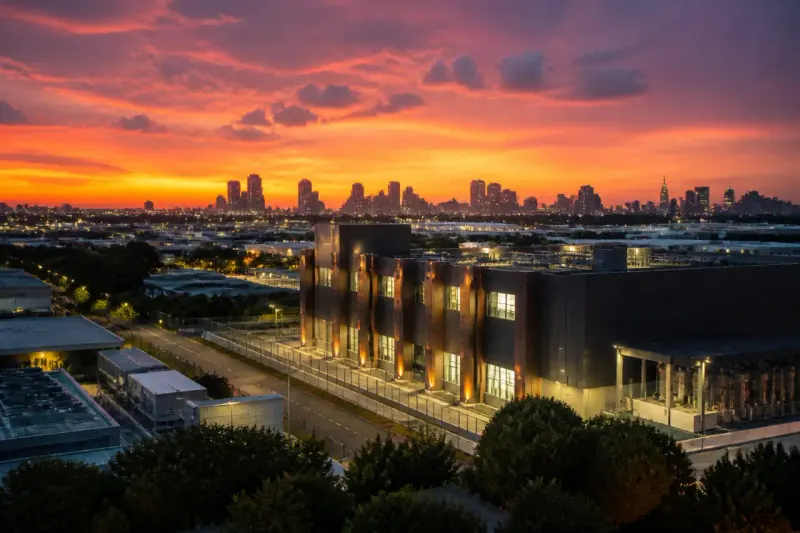
On November 3, voters in 10 states will make pivotal decisions regarding AI data centers, with a total of 41 local ballot measures at stake. This significant election comes at a time when electricity costs are soaring, prompting a national re-evaluation of how much power these essential facilities consume, and who ultimately bears the cost of infrastructure expansions needed to support them.
Understanding the Vote
The ballot measures across the states provide contrasting responses to the growing influence of AI and data services. Of the 41 measures, 28 aim to impose restrictions on data center developments, highlighting a rising pushback from communities worried about their ongoing surge in electricity consumption. Meanwhile, 13 measures encourage ongoing or new development, reflecting a dichotomy in community sentiment about the balance between technological advancement and sustainable local growth.
Key Locations for the Vote
Ohio stands out in this decision-making process, accounting for 21 of the measures on the ballots. Communities such as Sunbury and Defiance are considering strict prohibitions on data centers with high electricity usage, which could impede initiatives such as a $2 billion Amazon data center project in Sunbury. However, the implications of these votes extend beyond Ohio:
- In California, Alhambra voters will consider restrictions on data center developments entirely within city limits.
- Florida’s Edgewater is weighing an amendment that could limit data center growth and expansion.
- In New Jersey, the advisory ballot question in Downe Township will gauge local support for data centers, indicating public sentiment more than regulatory changes.
- Several communities in Maine will vote on temporary moratoriums, opening the door for further discussion on regulations and frameworks.
Impact on Electricity Consumption
Data centers are crucial components of the AI ecosystem, powering cloud storage and supporting billions of users worldwide. Nonetheless, their energy demands are startling. A recent report from the Lawrence Berkeley National Laboratory anticipates that by 2030, these centers could account for 11.8% of total U.S. electricity consumption. This potential surge in demand is pressuring utility companies to enhance their infrastructure, raising critical questions over who pays for these expansions.
Recent trends show a troubling increase in consumer electricity prices, with rates climbing over 10% since 2024, and some areas experiencing spikes exceeding 20%. This fuels concerns regarding the allocation of costs between large tech customers and residential households. Interestingly, while rapid growth in electricity demand from data centers plays a part, factors like aging infrastructure and soaring fuel prices also contribute.
Financial Ramifications for Consumers
This election could directly influence household electricity bills. The PJM electricity market, which encompasses multiple states including New Jersey, Pennsylvania, and Ohio, has identified data centers as significant contributors to increased capacity market prices. Recommendations estimate that data center demand could result in billions of dollars in additional capacity market charges, which impact consumers throughout the region.
It's vital to note that even if communities reject new facilities, the demand generated by AI companies may simply shift to areas with more favorable regulations, leaving existing infrastructure costs unaffected.
Conversely, greenlighting new projects doesn't ensure an increase in household costs, depending significantly on whether the infrastructure upgrades will be paid for by the developers as they relate to their facilities.
Arguments For and Against Data Centers
Supporters of data center projects, including large tech companies like Amazon, argue these facilities bring economic benefits such as employment opportunities, tax revenue, and technological advancements that benefit both households and businesses. They assert that development facilitates the essential digital services that modern life increasingly relies on.
However, opponents voice substantial concerns regarding the ramifications of data center developments. Issues such as substantial electricity demand, significant water usage, noise pollution, land use regulations, and fears of burdening households with infrastructure costs built primarily for tech corporations are paramount. The debate spans a wide political spectrum, with mounting local opposition against further development across various states.

Key Considerations for Voters
As voters prepare to make their decisions, the implications of these measures extend far beyond immediate utility rates. Success or defeat of these ballot initiatives may fundamentally shape how data centers are regulated and where major technology companies decide to build in the future.
For citizens, this election is about managing the evolving needs of electricity, infrastructure, and technology without placing undue financial stress on existing households.
States Voting on Data Center Issues
| State | Count of Measures | Restrictive Measures | Supportive Measures |
|---|---|---|---|
| Ohio | 21 | 21 | 0 |
| California | 1 | 1 | 0 |
| Florida | 1 | 1 | 0 |
| Maine | 1 | 1 | 0 |
| New Jersey | 1 | 0 | 1 |
Key Takeaways
- Voters in 10 states are deciding on 41 measures regarding data centers.
- Ohio has the highest measure count at 21, primarily focusing on restrictions.
- Electricity consumption by data centers could reach 11.8% of total US consumption by 2030.
- Rising electricity costs have increased by over 10% nationally since 2024.
- Development supporters claim data centers generate jobs and tax revenue, while opponents cite potential burdens on communities.
As the ballots are cast, the outcomes will not only dictate how local communities manage their energy resources but will lay the groundwork for the future of AI infrastructure in the United States.
Frequently Asked Questions