
AI Devices and the Evolving Definition of ‘Recording’
AI technology is reshaping definitions of recording, raising privacy concerns as new devices process data without saving it. Explore the implications for users.
Introduction: Redefining Recording
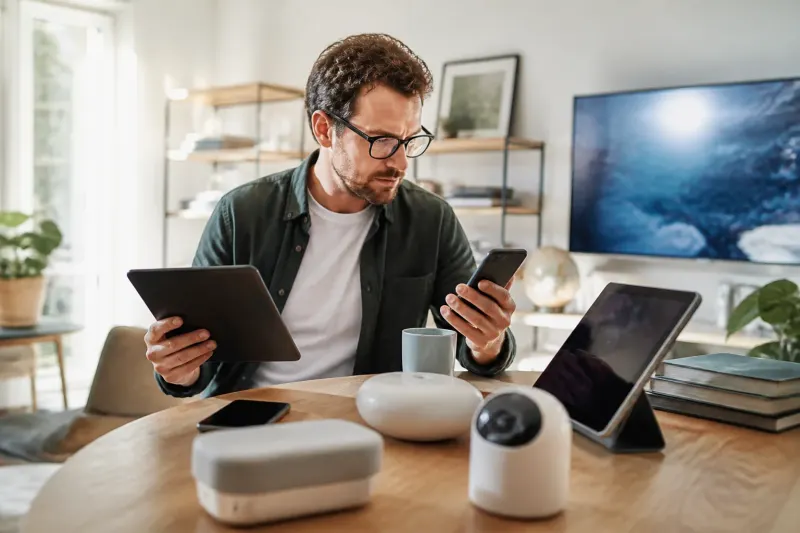
As technology advances, the line between what constitutes a recording and what doesn’t has become increasingly blurred. Recent developments in AI-powered devices are prompting tech companies to reshape the definition of recording itself. Traditionally, it was clear: if a device had a microphone or camera, it recorded. Now, companies like Apple and Google are redefining the term, suggesting that certain AI functionalities that handle audio and video data should not be classified as "recording" at all.
Devices and Definitions
| Device | Functionality | Recording Status | Privacy Considerations |
|---|---|---|---|
| Apple’s Smart Home Camera | Uses visual data to create text snippets | Not recording (non-storage) | Aims to enhance privacy through non-saved data |
| Apple Watch Series 12 | Features like Live Rewind and Siri Recap | Efforts framed as not recording audio | Processes data securely without long-term storage |
| Meta’s Smart Glasses | Records video with an indicator light | Clearly indicates recording with a white light | Creates ambiguity with non-standard signaling |
| Google’s Smart Glasses (rumored) | AI processing without saving footage | Potentially a non-recording device | Privacy considerations in cloud storage |
Apple's Approach to Audio Intelligence
Apple continues to innovate with its Audio Intelligence features, which have sparked debates about privacy. The Live Rewind feature provides a transcript of the last 15 seconds of audio, and the Siri Recap offers summaries of daily conversations. Despite claims that these features do not record audio, the very act of compiling transcripts raises questions. If a device can summarize or recapitulate conversations, does the absence of saved audio mean it isn't recording?
Google's Vision for Non-Recording Smart Devices
Google's approach mirrors Apple's, with its senior director of wearables, Sandeep Waraich, discussing the potential for smart glasses that process visual data without saving it. He poses an intriguing question: if a camera can process images but doesn’t retain them, does it truly count as a recording device? This delineation challenges existing norms about data documentation and user privacy.
Privacy and Society's Expectations
The shifting definition of recording ties directly into societal expectations about privacy. The advent of always-listening and visually-capable devices requires users to take on a greater responsibility for the privacy of others. Unlike past technologies that existed within clear private or public boundaries, these new devices operate across ambiguous spaces—restaurants, workplaces, and even public restrooms—where different norms apply. Understanding these boundaries is critical for users and tech companies alike.
Signaling Intent and the Role of Privacy Indicators
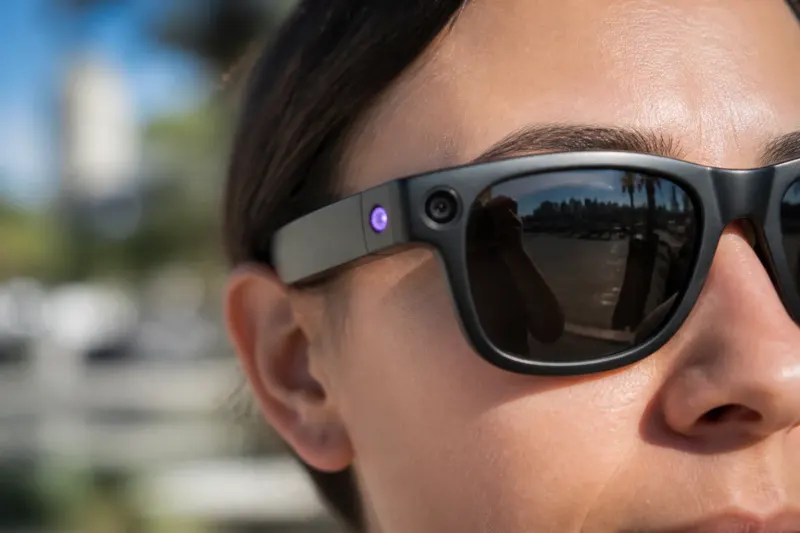
Products like Meta’s smart glasses introduce a privacy light to indicate recording, using a white light instead of the more familiar red. This raises a significant concern: are consumers aware of what these signals mean? The lack of universal standards for privacy indicators can lead to confusion and mistrust. Given the failure of traditional approaches to alert individuals that they are being recorded, how will users navigate the new landscape of AI devices?
Differentiating Recording Devices from Non-Recording Devices
As devices continue to blend the line between recording and non-recording functionalities, consumers face the challenge of distinguishing between them. The ineffable qualities that govern people's awareness are compounded by aesthetics; if the Vocci Ring, which can record conversations, looks similar to an innocent accessory, how can an average consumer possibly discern between the two? This disguising of capabilities can lead to significant violations of privacy, and management of personal data is an increasing concern.
The Tension Around AI Hardware
The ongoing tension in the discussion surrounding AI hardware revolves around the accumulating data about individuals. While tech companies denote that data collection can enhance user experience, it also raises ethical concerns. As these devices collect and potentially preserve information about personal lives, the standards of privacy and consent become crucial. The strategy seen from corporations is clear: more data equals greater influence and a stronger hold over market trends.
Looking Ahead: What This Means for Consumers
The forward momentum of AI in everyday gadgets is undeniable. From smarter phones to integrated headphones, the ramifications of accepting blurred definitions of recording will echo through cultural norms and values. As society grapples with these new realities, a consensus must be reached about what constitutes a recording. This approach will not only shape user experiences but also define the ethical landscape that tech companies must navigate.
Key Takeaways
- Tech companies are shifting the definition of "recording" in AI hardware.
- Apple and Google explore functionalities that process but do not save audio or video.
- Privacy indicators such as lights to signal recording are inconsistent and can cause confusion.
- The blending of smart device capabilities complicates users' understanding of privacy.
- Societal norms and ethics around data collection need reevaluation in light of advancing technology.
Frequently Asked Questions