
Data Center Backlash: The Environmental Cost of Big Tech
Paris Marx's new book explores the rising backlash against data centers, addressing their environmental impact and the community resistance shaping tech policy.
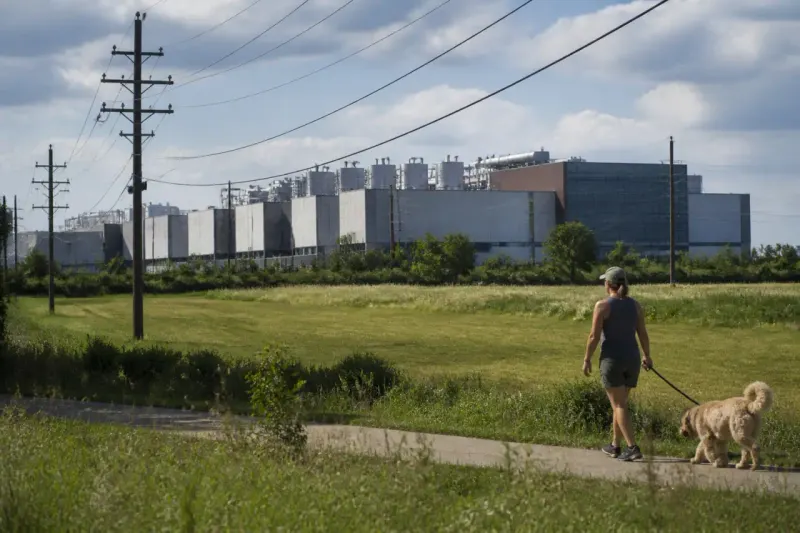
Understanding the Data Center Backlash
Increasing scrutiny surrounding data centers has become a flashpoint for broader discontent with Big Tech. Paris Marx, in his book "Hyperscale", delves into this controversial subject, exploring how the rapid growth of data centers—particularly influenced by generative AI—has led to significant opposition from local communities. The timing of this conversation aligns with a recent wave of political shifts, notably a blue wave during midterm elections, which has intensified discussions on technology's role in society.
Marx characterizes the construction of these data centers as "fundamentally unsustainable" and highlights how their impact on daily life is painfully tangible for communities affected by them. Whether through increased electricity bills, strained water supplies, or raised noise levels from cooling units, the consequences can be profound. "It doesn’t matter what side of the political spectrum you are on, you will feel the effects of that in your quality of life," he explains.
Environmental Concerns Fueling Opposition
Marx emphasizes the environmental implications of hyperscale data centers, noting that their design and expansion consume immense amounts of resources and energy. He argues these facilities, constructed with little regard for their ecological footprints, create a scenario that is counterproductive to the goal of a livable planet. The scale of water and energy consumption by data centers is not only about their operation but also affects local infrastructure.
He cites the increasing demand for energy—especially from fossil fuels—as a primary concern. In Ireland, for instance, data centers now use over 20% of the country's electricity, prompting regulators to halt new site approvals due to severe strains on the electrical grid. Marx further points out that communities face pressure over rising energy costs and the need for more electricity, putting a strain on existing resources.
Political Landscape and Community Activism
The backlash against data centers transcends traditional political boundaries. Marx notes how figures from across the political spectrum, such as Ron DeSantis and Bernie Sanders, have voiced their opposition to these facilities. He attributes this unusual coalition to the physical presence and impact of data centers, which contrasts with the often abstract nature of digital technologies. Having a data center proposed for one's locality invokes a different level of concern compared to software applications or social media platforms.
He describes instances of grassroots movements where communities expressed their outrage over data centers’ water usage—like in Chile, where the construction of data centers led to water shortages in nearby areas. The growing coordination and mobilization at local levels against these installations suggest a wider movement against the tech industry's exploitation.
Personal Experience Inside a Data Center
Marx’s own journey to understand the workings inside a data center highlighted several surprises. After numerous unsuccessful attempts to gain access, he traveled to New Zealand, where he finally obtained a rare glimpse inside. He recounts an experience characterized by stringent security measures, including prior passport clearance and locked doors requiring electronic key cards to navigate.
Once inside, he experienced an environment far removed from the eerie or sinister settings one might expect from depictions in media. Instead, he found a utilitarian space dominated by the sounds of cooling fans and servers. "If you were going to be in there for a while, you’d probably want earplugs," he joked about the overwhelming noise levels. This firsthand experience illuminated both the physicality of massive computational infrastructures and the high security around them, serving to underscore the role these centers play in modern digital life.
Corporate Responses to Community Resistance
The resistance has prompted significant responses from the tech companies behind these data centers. Major players like Microsoft and Amazon have taken steps to address community concerns, such as agreeing not to employ non-disclosure agreements (NDAs) in negotiations with local governments. While these moves appear to promote transparency, Marx expresses skepticism about their substantive impact, believing it is merely a response to growing backlash.
He points out that with more clarity around data center projects, affected communities will have a stronger platform to voice concerns and question the implications of these installations. Further, some companies have proposed to take on more infrastructural costs to alleviate pressure on local utilities, yet the benefits of such commitments remain unclear, and skepticism about their genuine intentions continues.

The Bigger Picture: The Technological Paradigm
The conversation surrounding data centers also opens broader discussions about the technology industry and its pace of growth. Marx underlines that the hyperscale approach has profound implications, calling it a form of hubris among tech leaders. This mindset prioritizes rapid development and massive resource consumption, often at the expense of meaningful societal benefits.
He critiques the prevailing narratives crafted by tech executives, who portray an inevitable future dictated by rapid advancements. By focusing on the scale of resource extraction rather than the real impacts on communities, the industry sidesteps accountability for the fallouts of its ambitions. This point is compounded by a lack of visible benefits from innovations like generative AI, which many in the public feel have not materialized into tangible improvements.
Key Takeaways
- Data centers have become a focal point of community resistance, reflecting broader discontent with Big Tech.
- The construction of data centers consumes over 20% of Ireland’s electricity, leading to associated environmental concerns.
- Marx emphasizes that physical data centers impact local quality of life through increased bills and resource strains.
- Corporate responses to backlash, including abandoning NDAs, may improve transparency but lack genuine accountability.
- The conversation underscores a growing recognition of the need for a different technological future, moving beyond just scaling.
Conclusion: Rethinking the Future of Data Centers
The exploration of data centers brings to light crucial discussions around sustainability in technology and the often-overlooked consequences of rapid digital transformation. As resistance mounts, the important question becomes how the tech industry can pivot towards sustainable practices that align with community needs and environmental preservation. Marx's work presents an urgent call for a reevaluation of the ways tech infrastructures impact daily life, advocating for a shift from hyperscale ambitions to a more human-centered approach to technology development.
Frequently Asked Questions