
Indian Men’s Hockey Team Embraces Colour-Coded Diet Ahead of Los Angeles
The Indian men’s hockey team is transforming its diet ahead of the 2028 Olympics, shifting from heavy curries to salads and structured hydration strategies.
Rethinking Nutrition for Elite Performance
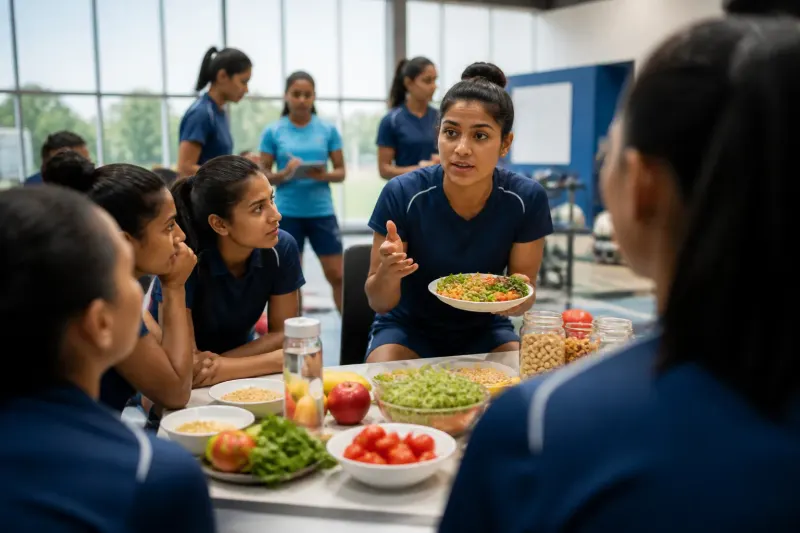
The Indian men’s hockey team is redefining their approach to nutrition as they prepare for the upcoming 2028 Los Angeles Olympics. Following a remarkable stint, including a 4-1 victory over Japan to secure their sixth Asian Champions Trophy, the team recognizes that optimal nutrition is critical to their efforts in achieving a third consecutive Olympic medal. The days of heavy curries and rice are giving way to a revitalized focus on salads, grilled meats, and precision hydration, signaling a substantial shift in dietary strategies under the guidance of nutritionist Mihira Khopkar.
Training and Nutrition Overview
| Training Day Type | Carbohydrate Intake | Protein Intake |
|---|---|---|
| Red Days (High Load) | 100-150 grams | 40 grams |
| Orange Days (Moderate Load) | 50-100 grams | 40 grams |
| Green Days (Light Load) | 50-60 grams | 40-50 grams |
According to coach Craig Fulton, this transition towards a structured nutritional regime has provided the team with the foundational support needed to optimize performance. As the players compete at the highest levels, this colour-coded system helps them tailor their dietary intake to their training workloads effectively.
Implementation of the Colour-Coded Diet
The diet structure classifies training days into three categories based on intensity:
- Red Days: Associated with rigorous training, these days require additional carbohydrate sources such as rice and dal alongside a mix of salads and protein-rich meals.
- Orange Days: Moderate training days where meals are balanced with more carbohydrates like pasta and potatoes.
- Green Days: Light training days that feature high-protein meals including vegetables, hummus, and protein from meats such as grilled chicken and fish.
This dietary framework replaces traditional heavy foods with lighter, more digestible options, paving the way for improved performance and recovery.
Detailed Meal Composition and Hydration Strategies
On red training days, the kitchen prepares around 50 litres of isotonic lime water to keep players hydrated. Notable hydration enhancements include:
- Recovery Drinks: Post-training, players can enjoy options like watermelon or pineapple juice to replenish lost fluids.
- Evening Menus: Evening hydration includes milkshakes mixed with ingredients like mango, dates, dry fruits, and avocado, with a focus on zero added sugar.
Khopkar emphasizes that effective hydration plays a crucial role not only in physical performance but also in sustaining mental acuity, noting that dehydration can significantly impair decision-making during gameplay.
Focus on Individual Nutritional Needs
Each player’s nutritional plan is tailored to their personal needs and energy expenditure outlined by tracking data from Catapult, a monitoring device that calculates their fitness activities. Vice-captain Hardik Singh recently expressed how the newfound focus on protein helped him realize the importance of balancing carbohydrates, which were previously overrepresented in his diet.
Singh stated, "Since we run a lot, we need carbs. But for me, carbs were overfuelling. I needed to eat more protein and then consume carbs. These small details can help you win and take you further." This individual approach complements the team's overall shift towards a more analytical and personalized view of nutrition.

Vegetarian and Balanced Meal Options
Recognizing the dietary preferences of players, particularly vegetarians, the menu has also diversified beyond the traditional paneer-heavy options. The meals now include:
- Grilled Paneer: A recognized favorite, but also paired with interesting alternatives such as hung curd desserts.
- Nutritious Milkshakes: Enhanced protein content milkshakes provide players with healthy recovery post-exercise.
Khopkar has guided the team in making balanced dietary choices whilst ensuring the quality and health benefits of all ingredients.
Conclusion: The Future of Indian Hockey Nutrition
This comprehensive overhaul of the Indian men’s hockey team diet reflects a shift towards modern nutritional science and its application to sports. The ongoing efforts aim to not only enhance performance but also ensure that players maintain consistent training schedules while minimizing injury risks. Emphasizing clean eating and proper hydration will be critical as the team progresses in their quest for Olympic glory.
Key Takeaways
- The Indian men’s hockey team is adopting a colour-coded diet to optimize performance as they prepare for the 2028 Olympics.
- The new dietary approach includes lighter foods focusing on salads, proteins, and proper hydration strategies.
- Khopkar’s plan personalizes meals based on individual energy expenditures calculated during training sessions.
- Players are encouraged to consider meals that balance carbohydrates and proteins specifically tailored to workout intensity.
- The focus on nutrition aims to reduce injury risk and maintain training consistency.
Frequently Asked Questions