
Jensen Huang's Alleged Affair: Risks to Nvidia and US AI Leadership
Jensen Huang's reported affair with a suspected spy raises significant implications for Nvidia and the future of AI in the US, affecting national security and market stability.
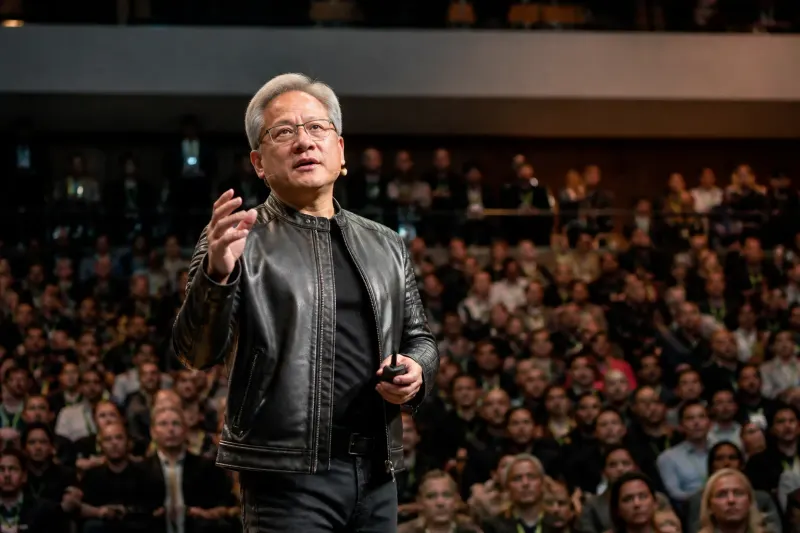
The High Stakes of Espionage in the AI Race
In an unexpected turn of events, Jensen Huang, the CEO of Nvidia, has found himself at the center of a scandal involving alleged espionage activities. Huang recently disclosed an affair with a woman suspected of being a Chinese spy, which reportedly raised alarms within US intelligence. This incident does not merely compromise his personal life; it poses significant ramifications for the national security landscape and the overall competitiveness of the US in the increasingly critical field of artificial intelligence (AI).
Nvidia's Central Role in the AI Landscape
Nvidia holds a prominent position in the AI technology market. Known for producing some of the most sought-after chips that drive AI computations, its products are vital for companies like Meta, Anthropic, and OpenAI as they invest heavily in AI development. With the demand for advanced computing power skyrocketing, Nvidia’s chips have become hugely influential — topping the list of essential components in creating and deploying AI models.
Espionage and Its Implications for US National Security
The very nature of Huang’s connections — not just with corporate leaders but also with key political figures — raises the stakes considerably. Critics warn that any intelligence breach may expose vital information that could disadvantage the US. One such concern is that information about Nvidia’s latest technologies could enhance China's ability to further its own advancements in AI. The significance of securing these technological innovations cannot be overstated; experts suggest that if China is able to gain access to Nvidia chips, the competitive edge the US holds could erode rapidly, potentially within weeks or months.
Restricted Sales and the Black Market Dilemma
In an effort to slow China's progress in AI, the US has restricted sales of cutting-edge AI chips to the nation, thereby creating a significant bottleneck in technological development. Despite these restrictions, a black market has emerged for Nvidia’s advanced chips, indicating a growing demand. Analysts argue that if Chinese entities acquire these resources illicitly, they could leverage them to accelerate their own AI development — a scenario that presents a direct threat to US dominance.
China’s Strategic Priorities in AI Development
China is being proactive in addressing the AI chip scarcity by fostering national efforts to develop its alternatives. However, experts assert that without access to Nvidia’s latest technology, closing the capabilities gap with the US remains a critical challenge. Emily Kilcrease, a senior fellow at the Center for a New American Security, emphasizes that while China has advantages in certain aspects like access to energy and the establishment of open weight models, it cannot match US frontier capabilities without Nvidia’s chips.
Financial Fallout for Nvidia Among Market Uncertainties
The repercussions of the scandal have already had a financial impact on Nvidia, with its stock values reportedly declining since the news broke. The company’s reputation is closely interwoven with Huang’s identity, complicating the fallout from his personal life. Further investigations following the scandal may absorb significant resources and attention, disrupting Nvidia's day-to-day operations. Kilcrease shared that uncertainties surrounding Nvidia can ripple through the entire industry, especially for AI labs and hyperscalers like OpenAI and Anthropic, which rely heavily on the company's hardware.

Impact of Espionage on Nvidia’s Operations and Strategy
| Aspect | Nvidia’s Status | China’s Position |
|---|---|---|
| AI Chip Sales | $7 billion in reported sales connected to alleged spying | Strategic focus on domestic alternatives |
| Market Dependency | Predominant supplier for advanced AI systems | Growing but unable to match US leadership |
| Security Risks | Potential erosion of competitive edge | Possible intelligence gains from surveillance |
Legislative Response and Future Developments
This scandal could also provoke a re-evaluation of US regulations regarding chip sales, as experts believe that the probability of tighter legislation aimed at controlling AI chip exports has increased significantly. The ramifications of this incident extend beyond just Huang and Nvidia, as policies that emerge in its wake may directly influence the dynamics of the entire AI industry.
Key Takeaways
- Jensen Huang's affair with a suspected Chinese spy raises risks to US national security and the AI market.
- Nvidia is a leading supplier of advanced AI chips critical to American tech companies.
- China's current AI capabilities lag behind the US, with efforts to develop alternatives underway.
- Investigations into Huang could disrupt Nvidia's operations, affecting the availability of AI resources.
- Legislative responses may tighten control on AI chip exports due to espionage concerns.
Conclusion: Navigating Uncertainty in the AI Sector
The complexities surrounding this scandal signify deeper issues at play in the race for AI dominance between the US and China. With the potential for significant upheaval in both company operations and regulatory landscapes, stakeholders within the AI sector must brace for ongoing uncertainty. How Nvidia navigates this strategic and reputational crisis could ultimately shape not only its future but also the trajectory of American AI leadership.
Frequently Asked Questions