
Jensen Huang's Alleged Affair Sparks Concerns over Nvidia's China Strategy
Nvidia CEO Jensen Huang's affair with an alleged Chinese spy complicates the company's China strategy and raises national security concerns.
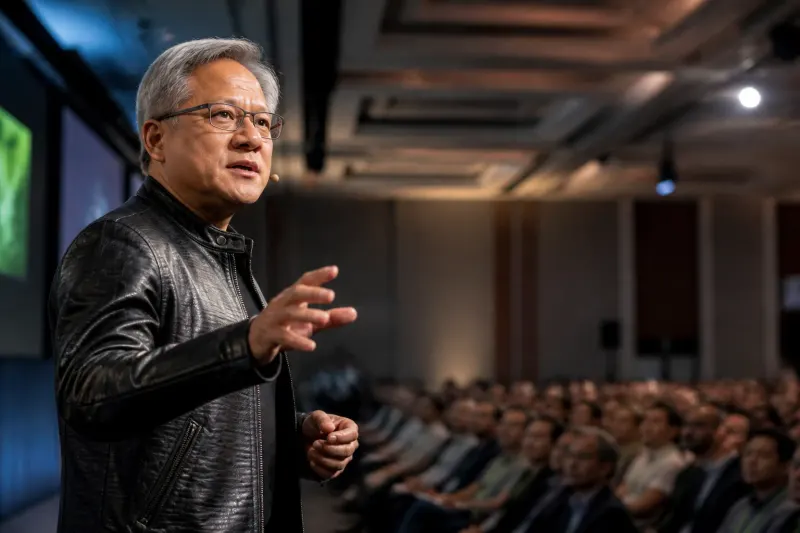
Jensen Huang, CEO of Nvidia, finds himself embroiled in controversy following revelations about his extramarital affair with Alice Huang, an executive linked to a major Nvidia customer. The implications of this relationship have raised alarms about national security and Nvidia's ongoing business dealings with China, especially in the context of recent discussions on AI export controls.
Nvidia's Dominance in AI Chips
Nvidia has become a cornerstone of the AI landscape, with its chips serving as a foundation for advanced AI technologies. The company has invested substantially in emerging AI enterprises, with roughly $99 billion in equity investments across various sectors. As of now, Nvidia has a market capitalization of approximately $4.25 trillion, making it one of the most valuable tech companies globally.
The Controversial Relationship
The affair involving Jensen Huang and Alice Huang has drawn scrutiny not only because of the personal nature of the relationship but also due to its potential implications for Nvidia’s strategic relationship with China. According to reports, Alice Huang is believed to have connections with Chinese intelligence and could be serving as an asset to gather information related to Nvidia’s operations and potential export strategies. U.S. officials suspect her relationship with Jensen Huang was part of a broader strategy to influence American AI technology's access to China.
The Impact of AI Export Controls
U.S. export controls on AI technology have intensified, limiting Nvidia's ability to sell its highest-performance chips to Chinese companies. Historically, China has been a major market for Nvidia, contributing significantly to its revenues, though U.S. controls have increasingly pressured this market. In the latest quarter ending July 26, 2026, Nvidia recorded approximately $7.9 billion in revenue from China, equating to about 8% of its total revenue. These figures highlight the importance of the Chinese market for Nvidia’s overall growth strategy.
AI Lobbying Efforts
During his tenure, Huang has been an outspoken advocate for maintaining and expanding access to Chinese markets for Nvidia's technology. Despite the backlash against such positions, Huang has met numerous times with top officials, including President Trump, to argue against restrictions on chip sales to China. His approach has included direct lobbying efforts to convince the U.S. government that greater access to the Chinese market is in the best interest of American technology.
Interactions with the Trump Administration
There have been several critical moments where Huang's lobbying might have paid off. After meetings with Trump, the government changed export rules, allowing Nvidia to sell its H20 chips to China, which Huang had been advocating strongly for. The timeline of his lobbying coincides with personal interactions with Alice Huang, drawing further scrutiny from U.S. officials who see potential risks in these business relationships.
Concerns Over National Security
As the situation develops, U.S. intelligence has reportedly issued a warning regarding Alice Huang's potential role in gathering sensitive information about Nvidia. This allegation includes concerns about her involvement in influencing export policies and accessing proprietary information regarding Nvidia’s client relationships and product releases. It raises questions about Nvidia’s ability to continue operating within China responsibly.
The Company's Response and Investigation
Nvidia has now launched an independent investigation into the allegations concerning Huang, aiming to assess any potential compromises involving national security or company secrets. Despite the investigation, Huang has reiterated his commitment to Nvidia and expressed remorse over his personal conduct, addressing employees and emphasizing his intention to regain their trust.
What Lies Ahead for Nvidia
The implications of this controversy on Nvidia’s future remain uncertain. Analysts at Morningstar have indicated that if the investigations conclude without substantial findings against Huang, it might lead to a swift return to business as usual. However, if the situation escalates, Nvidia could face significant financial repercussions and limitations on its ability to operate smoothly within the highly competitive AI marketplace.
Key Takeaways
- Jensen Huang's affair with Alice Huang raises concerns over potential espionage involving Nvidia's technology.
- Nvidia relies heavily on the Chinese market, comprising about 8% of its total revenue at approximately $7.9 billion.
- Export controls on AI technology have tightened, complicating Nvidia's sales strategy in China.
- Huang's lobbying efforts with the Trump administration have had a significant impact on AI export policies.
- Nvidia is conducting an independent investigation to assess any breaches of national security relating to Huang's actions.
Frequently Asked Questions