
Meta's Muse AI Mascot: The Cuteness Overload and Its Implications
Meta's Muse AI mascot, Jolly, has generated excitement with its cute design, yet raises important questions about data privacy and the future of AI interactions.
The Allure of Cuteness in AI
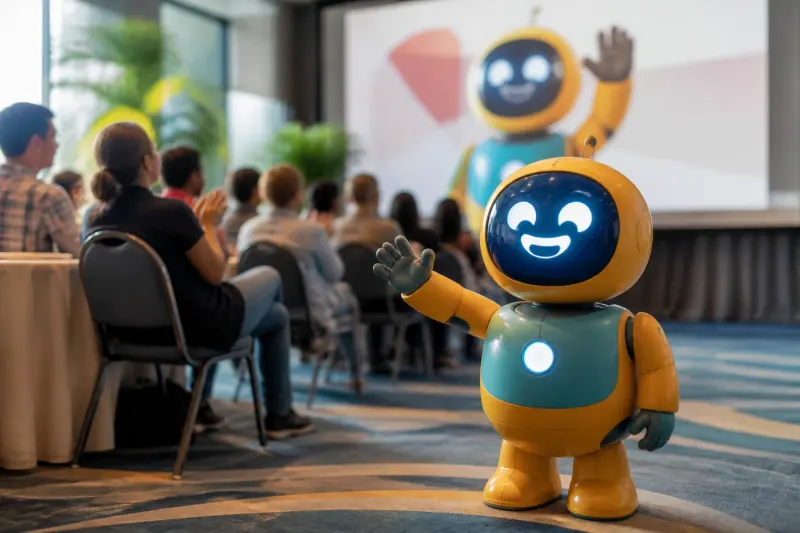
Meta's latest AI mascot, named Jolly, has been generating significant buzz due to its intensely cute design and the company's ambitious plans for its integration across platforms. The cuteness factor seems to play a crucial role in user interaction and perception of AI capabilities. This suggests that the design taps into a psychological affection for all things adorable, potentially influencing user behavior when engaging with AI technologies. According to Victoria Song, a senior reporter at The Verge, her own response to Jolly exemplifies how cuteness can disarm skepticism, making it easier to share personal health information with the AI.
Meta's Vision with Muse
Jolly isn't just another mascot; it represents Meta's vision for the Muse AI agent. Integrated into various devices, including smart glasses and a new wearable called Charm, Muse is designed to assist users with productivity, health, and even relationship goals. The company is banking on its AI to seamlessly integrate into daily life, leverage user data, and offer personalized assistance. Song's experience with her AI companion, which she affectionately named Blorbo, highlights this: she sought help for health goals and relationship advice, showcasing the wider application potential of the Muse AI agent.
Encounters at Meta Connect
During the recent Meta Connect event, Jolly was omnipresent. It adorned screens during presentations, and life-size cutouts were strategically placed around the venue, creating a fun and engaging atmosphere that lured attendees into exploring the AI more deeply. Meta's CTO Andrew Bosworth showcased the mascot dressed in various charming outfits, reinforcing the playful branding Meta is cultivating around Muse. Song found herself overwhelmed by the cuteness, which led her to download the Muse app despite previously avoiding such technologies.
First Impressions of the Muse AI
Song's initial interaction with Muse wasn’t entirely positive. After requesting a workout plan for running a sub-30 minute 5K and regaining lost muscle, the AI generated a rather average routine. However, the captivating design of her Muse agent made it hard to dismiss. Describing her agent as a cat-shaped piece of bread with a cute, Kirby-like face, Song noted that even though the workouts were underwhelming, the aesthetic led her to open up more than she normally would.
The Dark Side of Cuteness
The dichotomy arises as Song contemplates the potential consequences of embracing such a character. Cuteness may drive engagement, but it risks overshadowing concerns about privacy and data exploitation inherent in using AI products from a company like Meta. By appealing to emotions through design, there may be a tendency for users to ignore the critical implications of sharing sensitive information. Song is particularly wary of how easily one can become attached to a virtual companion like Jolly, resulting in a complex relationship that could jeopardize personal data security.

AI’s Capabilities and Shortcomings
Song's demonstration of Muse also revealed some typical AI pitfalls. While it aimed to assist users with nutritious choices, inaccuracies arose regarding food identification and product availability. In one instance, the AI incorrectly assessed the protein content of a snack. Such limitations underscore the importance of maintaining a balanced perspective when interacting with AI agents, especially when they wield so much influence over personal health decisions.
User Experience and Privacy Concerns
As users engage with Muse, the desire for cute companionship can cloud the reality of how their data might be handled. Song’s interaction with Blorbo highlighted her internal conflict—while the AI did successfully clean up spam from her email, she remained acutely aware of potential privacy breaches. This experience emphasizes the necessity for transparency around data use, especially now that AI technologies can glean personal insights from user interactions.
The Future of AI Companions
Meta's approach to AI companions reveals a broader trend in integrating cute, user-friendly designs into technology aiming to assist with personal health and well-being. The question remains: will this ultimately be beneficial, leading to improved user experiences or problematic in the long run due to data exploitation? As Song reflects on her interactions with Muse and Jolly, it serves as a reminder that beneath the adorable exterior lies a complex web of tech-driven implications for personal data security and autonomy.
Key Takeaways
- Meta's Muse AI mascot, Jolly, integrates cuteness with technology.
- Muse aims to assist users with health, productivity, and relationship goals.
- User interaction may be influenced by emotional responses to design.
- Cuteness should not overshadow privacy concerns with user data.
- AI capabilities are still limited, highlighting the importance of a critical perspective.
Frequently Asked Questions