
Wardogs: The FPS Where Medics Make a Difference
Wardogs redefines the FPS genre with its emphasis on the medic role, incentivizing players to cooperate effectively during gameplay.
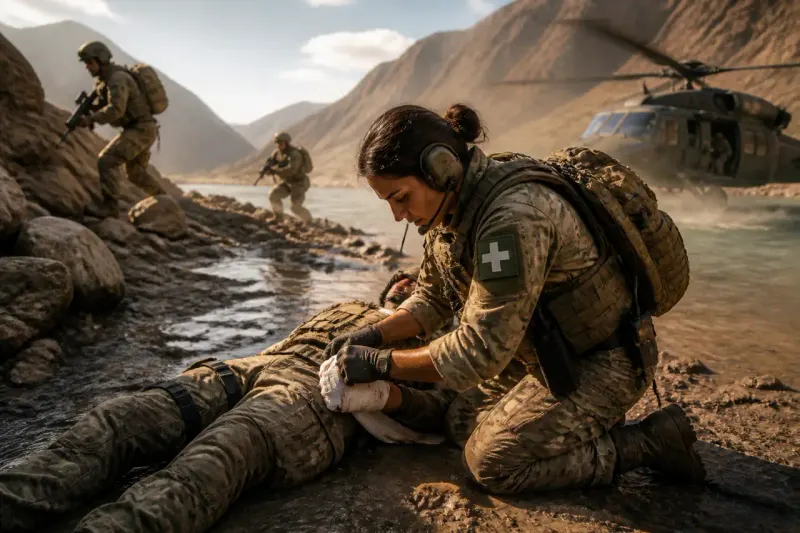
The online shooter Wardogs is carving out a niche for itself in the first-person shooter (FPS) genre, particularly for players who enjoy taking on the medic role. Unlike many games where assistance from medics is often unreliable, Wardogs creates an environment where getting revived after dying is not just a hope but almost an expectation. This new three-team military simulation allows players to experience cooperative gameplay like never before.
Redefining the Medic Role
The medic gameplay in Wardogs stands out significantly compared to other military shooters. Games like Battlefield have conditioned players to expect little help from medics, as many neglect the supportive role in favor of more aggressive styles of play. However, the statistics from Wardogs’ debut weekend reveal a different story: players recorded 61 million revives from a staggering 123 million kills, which culminates in an approximately 50% resurrection rate. For fans of the medic role, these numbers are remarkable.
The Cash Incentive Model
One of the main factors contributing to this supportive gameplay dynamic is Wardogs' inventive cash inflection model. Players earn money through various activities beyond merely eliminating opponents, such as:
- Transporting teammates
- Capturing objectives
- Building structures
- Spotting enemies
- Healing wounded comrades
Accessibility for All
In Wardogs, anyone can engage in reviving their teammates, as the game makes this feature accessible without requiring special equipment. Players are given a one-time-only quick-revive tool at the start of each life, enabling them to assist fallen comrades. However, the game balances this accessibility through its mechanic of manual revives. During these revives, the player must perform a hand animation for approximately 20 seconds before the revive is complete. Thus, while anyone can attempt a revive, only players who upgrade to proper defibrillators—available after reaching medic level 11—can perform revives more rapidly and efficiently. This complexity keeps the dedicated medic role intact while allowing broad participation.
Lowering Risks for Medics
Another defining characteristic of Wardogs is that revival attempts are generally less hazardous than in similar FPS titles. Many combat scenarios unfold across smaller clusters of players, owing to the game’s three-team setup. In contrast to congested maps in games like Battlefield 6, where players constantly face high-stakes encounters, Wardogs promotes a dispersed style of combat. Medics often have the opportunity to drag bodies to safety without attracting immediate attention from enemies.
The Impact of Player Behavior on Revives
The wait time for revives plays a significant role in the game's dynamics. Wardogs eliminates squad spawns and rally points typical in other games. Instead, players must either rely on a mobile respawn mechanic or travel from headquarters, which significantly prolongs their return to the action. This system encourages players to patiently await a revive, fostering an environment where support roles can thrive. Players have noted they seldom give up on getting revived, which significantly enhances the cooperation aspect of the game.
Revive Mechanics and Bribes
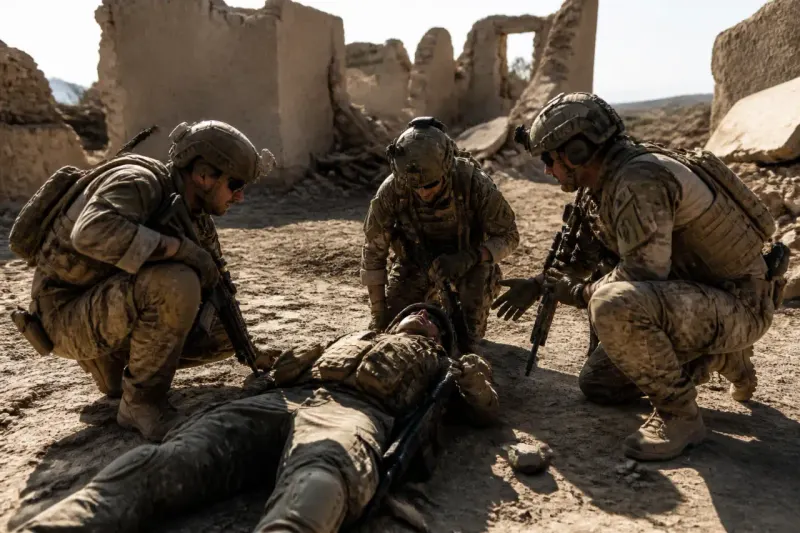
Revives can be incentivized further through a bribe mechanism that allows players to offer money—up to $500—to nearby medics to prompt their assistance. Initially, many players opted to max out their bribe since it was cheaper than losing an entire loadout. However, over time, it has become clear that the intrinsic rewards for medics make reviving teammates a worthwhile endeavor regardless of bribery. Players are increasingly engaging in revives for the sake of team productivity rather than simply for financial gain.
Future Developments and Community Response
As Wardogs continues to evolve, player feedback and the expansion of game mechanics can significantly alter the user experience. With players unlocking more intricate tools and strategies, the potential for improved teamwork could pave the way for even more robust medic dynamics. Initial impressions indicate that the game’s design promotes collaboration and rewards cooperative gameplay—vital components for the longevity of any team-based shooter.
Key Takeaways
- Wardogs boasts a 50% revival rate based on player statistics.
- The game rewards players financially for helping teammates in various non-combat roles.
- Anyone can attempt revives, but only those at medic level 11 can maximize speed and skill.
- Reviving is generally safer due to the game's spread out combat dynamics.
- Players are motivated to wait for revives, fostering a collaborative atmosphere.
Overall, Wardogs establishes itself as a noteworthy entry in the FPS genre, especially for players who prefer the medic role. With its unique mechanics and player incentives, the game encourages a cooperative playstyle that could redefine expectations for support roles in shooters.
Frequently Asked Questions