
China's Bold Health Goal: Raising Average Life Expectancy to 80 by 2030
China has set an ambitious goal to raise its average life expectancy to 80 years by 2030, building on a record of 79.25 years in 2025. This article explores the new health strategies, regional disparities, and the integration of traditional medicine driving this national milestone.
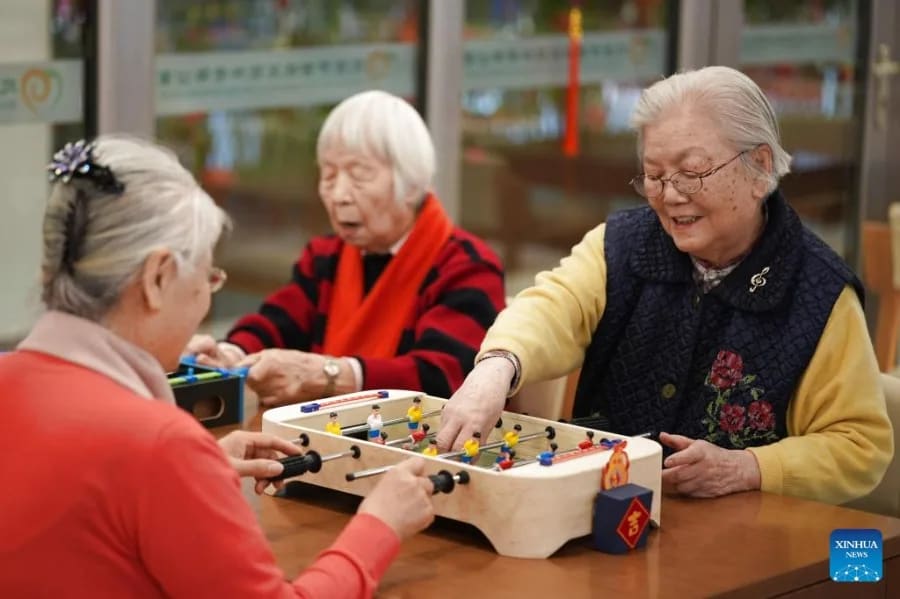
A New Horizon for Longevity in China
China is setting its sights on a historic milestone: raising the nation's average life expectancy to 80 years by the end of the decade. This ambitious target builds directly on the progress of the 14th Five-Year Plan, where the average life expectancy reached 79.25 years in 2025, marking a significant 1.3-year increase over that five-year period.
Announced as a core component of the new 15th Five-Year Plan (2026-2030), this goal is not just a number but a reflection of a sustained national push to improve public medical services and solidify the "Healthy China" initiative. While international data suggests that gains often slow once a country surpasses 75 years, China has managed an impressive average annual increase of 0.25 years during this advanced stage, defying typical epidemiological trends.
The Strategy Behind the 2030 Target
Reaching a 80-year average requires more than just treating sickness; it demands a fundamental shift toward proactive health management and equitable access. The State Council's new health plan outlines a comprehensive "health-first" strategy designed to bring China's core health indicators in line with those of high-income economies.
The government has identified several critical pillars to drive this change:
- Expanded Access: Ensuring fair and widespread access to public medical services across all regions.
- Preventive Focus: Strengthening primary-level disease prevention and treatment to catch issues early.
- Emergency Readiness: Reinforcing public health emergency response capabilities to handle future crises.
- Public Awareness: Encouraging citizens to take an active role in their own health management.
Bridging the Gap: Regional Disparities and Solutions
While the national goal is clear, the path to 80 years is paved with regional challenges. Current data reveals a persistent spatial pattern where life expectancy is higher in the east and lower in the west, creating a stratified heterogeneity that the new plan aims to address.
Several provinces have already surpassed the national target, serving as benchmarks for the rest of the country:
- Beijing, Tianjin, Shanghai, Shandong, Jiangsu, Zhejiang, Guangdong, and Hainan have all recorded average life expectancies exceeding 80 years.
- These eastern and coastal regions benefit from advanced healthcare infrastructure and higher socio-economic development.
- Western regions face constraints from natural environments and require enhanced socio-economic development to close the gap.
Integrating Tradition with Modern Medicine
A unique feature of China's push toward a longer, healthier life is the integration of traditional practices with modern medical science. The 15th Five-Year Plan explicitly calls for improving the standardization system for Traditional Chinese Medicine (TCM).
The strategy includes:
- Standardization: Creating rigorous standards for TCM practices to ensure safety and efficacy.
- Global Recognition: Accelerating efforts to promote the international acceptance of TCM.
- Complementary Care: Blending ancient wisdom with modern diagnostics to provide holistic patient care.
Why This Milestone Matters
Life expectancy is widely regarded as a key indicator of a country's overall level of development and social well-being. Achieving an average of 80 years would place China firmly among the most developed nations globally.
The significance of this target extends beyond individual longevity:
- Economic Impact: A healthier population contributes to sustained economic development and reduced healthcare costs.
- Global Benchmark: China's success could offer valuable lessons for other nations navigating the transition to high-life-expectancy stages.
- Quality of Life: The focus shifts from merely living longer to living healthier, with an emphasis on "healthy life expectancy."
Frequently Asked Questions