
Clashes in Barcelona During Spain's First General Strike in 14 Years
Violence erupts in Barcelona during Spain's first general strike in 14 years, as thousands protest rising living costs and housing issues ahead of elections.
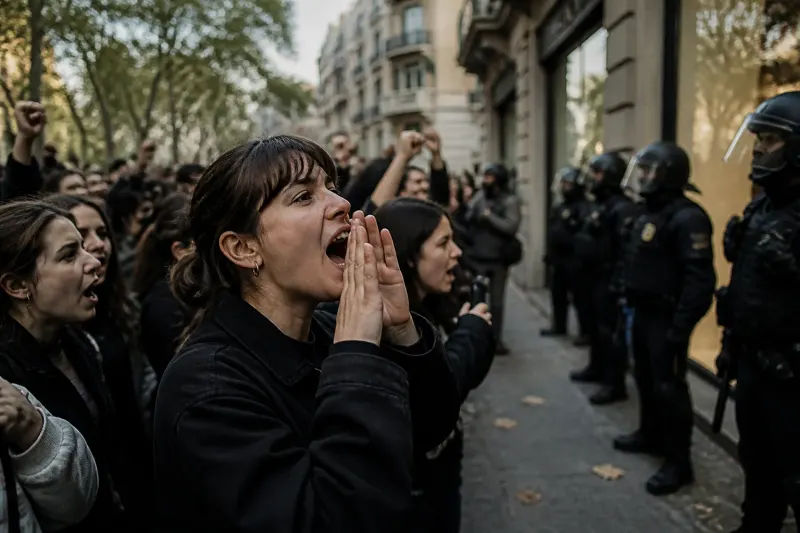
Violent clashes erupted in Barcelona as Spain witnessed its first general strike in 14 years, with tens of thousands participating to demand action on rising living costs and housing insecurity. Organised by the major labor unions, the strike attracted an estimated 120,000 participants in Madrid and more than 50,000 in Barcelona.
Background and Causes of the Strike
The strike was primarily triggered by public outrage over housing affordability, highlighted by the recent eviction of 87-year-old Maricarmen Abascal from her long-time residence in Madrid, followed by her death days later. This incident became a rallying point for demonstrators. The soaring rental costs have led to a situation where the average monthly rent for a 50 square meter apartment in Madrid reached approximately €1,170 ($1,300), while the typical gross monthly salary in Spain hovers around €2,460. This mounting financial strain means many are spending nearly half of their income on housing - significantly above the recommended 30% threshold advocated by housing experts.
Strike Participation Across Major Cities
| City | Estimated Participants |
|---|---|
| Madrid | 120,000 |
| Barcelona | 50,000 |
Protests in Barcelona
The protests were marked by heavy police presence, particularly in central Barcelona around vital areas such as Passeig de Gràcia and Plaça de Catalunya. Instances of violence included masked individuals setting fire to rubbish bins, smashing shop windows, and clashes with police forces that deployed tear gas to disperse crowds. Local media also reported looting incidents, including an attempt to invade an Apple Store and vandalism at a Lego store.
Despite the violence, some attendees spoke about the primarily peaceful and joyful atmosphere during the protests. One protester recounted how many families were present, citing issues related to escalating housing costs as the reason for their participation.
Significant Disruption Across the Nation
Transportation services and public amenities faced severe disruptions during the strike. Major roads in Madrid and Barcelona saw traffic halted, leading to chaos for commuters. Energy consumption data indicated a noteworthy reduction, with power demands falling by 7.5%, compared to previous strikes that experienced drops over 15%. This serves as a testament to the striking power the unions can exert, especially as citizens rally for their rights.
Political Context and Government Response
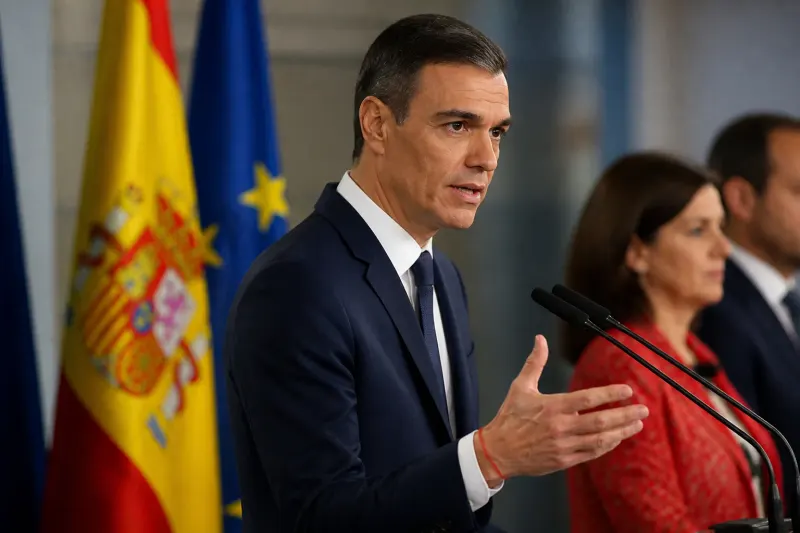
In the lead-up to Spain's parliamentary elections scheduled for 29 November 2026, the strike holds significant political implications. Prime Minister Pedro Sánchez called for snap elections after a housing reform proposal failed to pass through parliament. Notably, the government has supported the strike, urging workers to demand affordable housing—emphasising the necessity of labor rights historically won through past strikes.
Conversely, the opposition, led by the conservative People’s Party (PP), has disputed the legitimacy of the strike, claiming it is politically motivated. PP leader Alberto Núñez Feijóo disparaged the unions, labelling them as “mafia” and asserting that their actions may cover for the government’s own shortcomings in handling economic pressures.
Voices from the Ground
Interviews conducted during the strike revealed a shared sentiment of frustration among citizens. Many participants expressed deep concerns regarding the housing crisis and the difficulty of affording rent. One protester, Olga Domingo, a teacher, articulated her discontent over the high cost of living and unsustainable wages. Gonzalo Álvarez, a young activist involved in housing rights, shared his personal experience, detailing how half of his salary is committed to rent, significantly impacting his and his girlfriend's financial stability. Álvarez advocated for change, stating the housing situation in Spain is currently "absolutely crazy."
Future Implications and What Lies Ahead
The landscape of labor activism in Spain may be undergoing a transformation with this renewed focus on workers' rights and housing issues. The outcome of the upcoming parliamentary elections could pivot upon public reaction to the effectiveness of these protests, and the electorate’s response to government policies surrounding housing and cost of living will be a critical factor to observe.
As demonstrations continue into the coming days and weeks, it is expected that the unions will bolster their campaign, leveraging this strike to amplify public awareness and put additional pressure on the government to address the pressing financial burden many Spaniards are experiencing.
Key Takeaways
- The strike on November 11 saw approximately 120,000 participants in Madrid and 50,000 in Barcelona.
- The eviction of an elderly woman sparked massive protests against affordable housing.
- Average rent in Madrid stands at €1,170, while the average salary is about €2,460.
- Political tensions rise ahead of Spain’s parliamentary elections on 29 November.
- The protests indicate widespread public discontent regarding the cost of living and housing crisis.
This strike not only reveals the urgent need for affordable housing and economic justice in Spain but also sets the stage for a potential shift in political power and policies after the upcoming elections.
Frequently Asked Questions