
Christmas Market Traders Face Challenges from Rising Costs
As Manchester's Christmas markets unfold, traders express concerns over rising costs that affect profits despite higher prices for popular items. Customers are increasingly cautious about spending, reflecting a shift in consumer habits amidst economic pressures.
Rising Prices at Manchester Christmas Markets
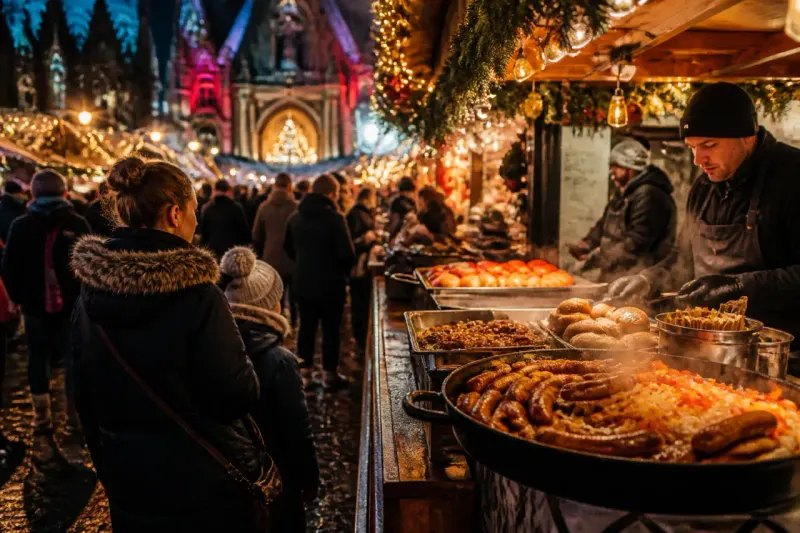
As Manchester's Christmas markets open their stalls, the spotlight shines on the rising prices that have become a hallmark of this festive season. Customers are encountering hefty charges for traditional festive items, with prices such as £8 for bratwursts, £11 for Yorkshire pudding wraps, and £5 for a few marshmallow sticks prompting discussions among traders and visitors alike.
Traders Feel the Financial Squeeze
Behind the festive atmosphere are the traders, who are feeling a significant pinch from escalating costs. Nils Borstel, a 25-year-old operator of Bratwurst King, shared that despite doubling the price of their sausages—from £3.50 to £8—the family-run business is not reaping any extra profit. Operating four stalls requires a daily output of at least £4,000, covering everything from staffing to ingredients and transport.
Changing Customer Habits
Attracting customers during peak trading times is becoming increasingly difficult. Borstel observed a marked change in consumer behavior since the pre-COVID era: "Customers are more hesitant about spending this year compared to 2019, often opting to share a single portion rather than each buying their own." This hesitance is mirrored across the markets, as families and friends reconsider their spending at a time traditionally associated with indulgence.
Market Operating Costs Soar
Charlotte Whittle, director of CT Catering, echoed similar sentiments regarding the cost of maintaining her business at the Christmas markets. Operating four stalls herself, Whittle reports spending a minimum of £1,000 per stall per day on various operational costs, adding up to a staggering total of at least £4,000 daily. With expenses including staff wages, accommodation for temporary workers, storage, and even parking for vans in city centers—where rates can reach £100 per day—she highlights the unseen burdens traders bear. "People often think we’re just selling cookies without recognizing the overhead involved," she stated. Whittle further elaborated on the preparation involved, which spans weeks before any food is served.
Strategies to Retain Customers
Not all traders are increasing prices indiscriminately. Clark Murphy from Mr Crimble Crumble has kept most of his prices the same for the last three years, having even reduced the price of the most popular crumble portion by £2. Murphy aims to maintain his customer base rather than risk losing them to escalating prices. “We want our customers who come back each Christmas to feel valued,” he said. Despite rising costs for cooking oil and biodegradable packaging, Murphy believes that keeping prices stable is essential for retaining loyal patrons.
Mixed Reactions from Customers
The reaction from visitors is varied. Neve and Poppy, two 18-year-olds attending the markets, reflected on their experiences with prices they deemed excessive. Neve spent around £15 on a single dish, while Poppy paid £11 for a Yorkshire pudding wrap, expressing doubts about whether the portions justified their costs. Both sympathized with traders, acknowledging that higher rents for stalls likely drive prices up.
Maintaining Tradition Amid Costs
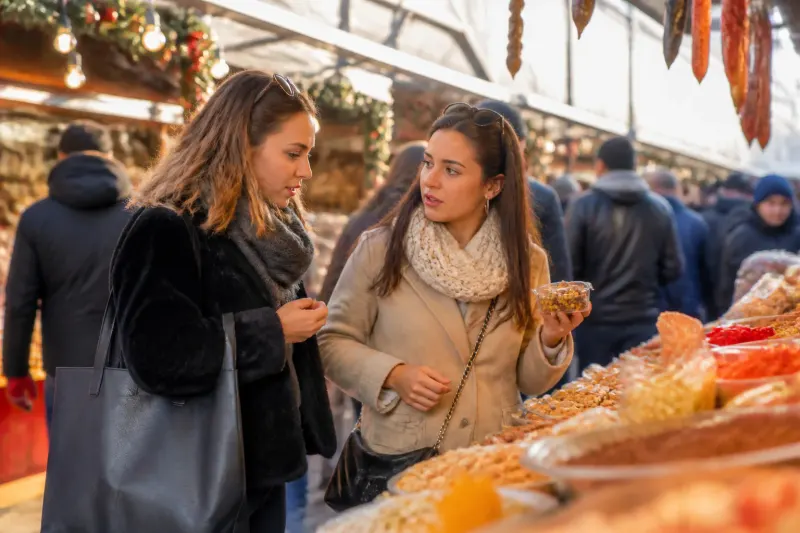
While the costs of Christmas market goods weigh heavily on customers and traders alike, they also reflect a shifting landscape of economic realities. Ernie the Elf, who sells handmade Christmas decorations, noted that while his costs have increased, the markets still provide value to visitors looking for a festive experience. Many people find enjoyment in the vibrant atmosphere and variety of products without needing to spend excessively.
Value Perception at the Markets
International visitors also contributed their perspectives on pricing while enjoying their first Christmas experience in England. Tyler from Australia commented that while some prices seemed steep, others were reasonable—specifically highlighting his £6 meat pie. However, he was taken aback by the charge of £5 for three marshmallow sticks, finding this excessive. For families creating lasting memories, the overall experience of the market still holds a certain worth.
Adaptations to Changing Market Conditions
The current landscape of Manchester's Christmas markets is characterized by both challenge and adaptation. While prices rise due to increased operating costs, traders are finding innovative ways to retain customers without losing profitability. From adjusting prices strategically to providing value in quality and experience, it’s evident that dedication to service and customer relationships remains paramount amid fluctuating economic pressures.
Key Takeaways
- Traders at Manchester Christmas markets face rising costs such as £1,000 or more per stall daily.
- Some traders have increased their prices significantly while experiencing reduced profits due to high operational costs.
- Changes in customer spending habits have been observed, with many opting to share dishes rather than buy individually.
- Despite high charges, visitors find value in the festive atmosphere, though they question certain prices.
- Traders are adopting various strategies, including maintaining some prices and absorbing costs to retain loyal customers.
Frequently Asked Questions