
Debunking the Fake Jeff Bezos Hair Transplant Photos
Viral images of Jeff Bezos and Jason Statham showing hair have been debunked as fake, highlighting the issue of manipulated content in the AI era.
Fake Photos Circulating on Social Media
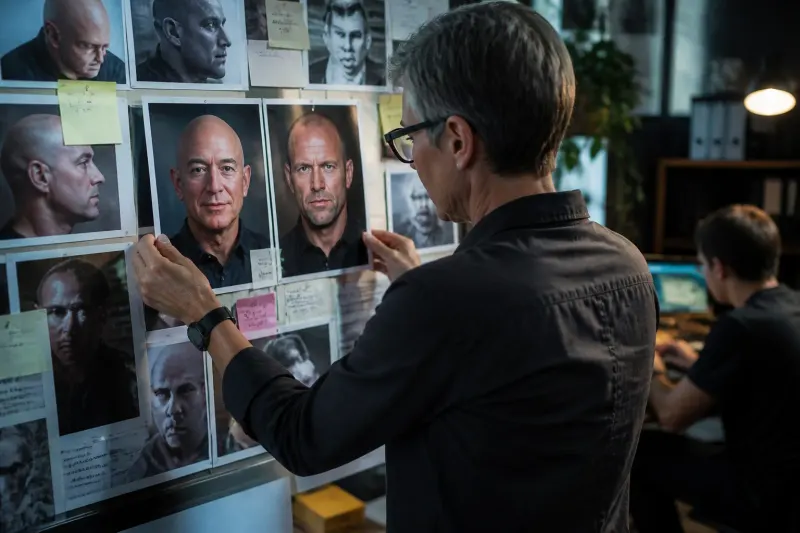
Recently, images purporting to show Amazon founder Jeff Bezos and actor Jason Statham with full heads of hair have been circulating on social media platforms such as X, Threads, and Bluesky. These images depict the two men looking remarkably different from their well-known bald appearances, leading some users to wonder if they had undergone hair transplant surgery to achieve this new look. However, these images are nothing more than elaborate photo edits, highlighting the potential for deception in the age of artificial intelligence.
The Role of AI in Image Manipulation
The rise of generative AI tools has made it easier to manipulate images, creating convincing yet misleading content. Despite the prevalence of these doctored photos, the actual source of such edits remains murky. Many social media platforms struggle to manage AI-generated content, with labeling systems often failing to identify these modifications, leaving users vulnerable to misinformation. The widely circulated images of Bezos and Statham are a prime example of how AI editing can bewilder audiences and go viral, as content creators exploit engagement metrics for profit.
Debunking the Bezos and Statham Photos
The authenticity of the images was quickly challenged by news outlets and observers alike. Those who sought the truth employed Google’s reverse image search tool, revealing the original versions of the photos that do not feature any hair. In Bezos's case, original images were taken in 2023 in a similar environment and even wearing the same outfit, clearly showing his natural baldness. These findings confirmed that the viral images were digitally altered fakes, leading to further scrutiny and skepticism regarding social media authenticity.
Challenges of Identifying AI Manipulated Content
Identifying fabricated images on the internet is increasingly difficult. In this particular case, no signs of AI content markers, such as Content Credentials or SynthID, were noted on the modified images. This lack of markers highlights the ongoing struggle against manipulated content, as users are often unprepared to discern what’s real from what’s not. As deepfakes become more sophisticated, the challenge of verifying images becomes more pressing.
Limits of Hair Transplant Surgery for Celebrities
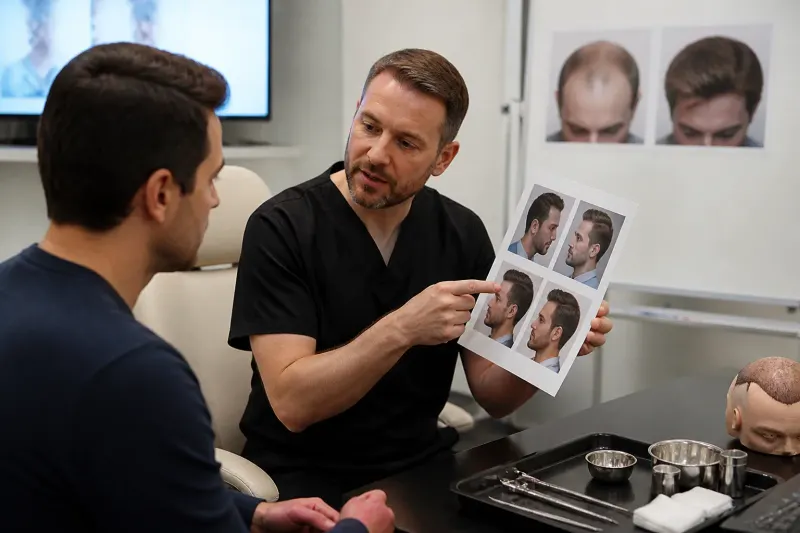
The concept of hair transplants itself poses questions regarding the plausibility of such procedures for public figures like Bezos and Statham. Successful hair transplantation requires sufficient donor hair from the back and sides of the head to ensure a natural look, something that cannot always be guaranteed. Additionally, those undergoing such procedures typically experience considerable adverse effects such as facial swelling, which is absent in both men in the altered images. These factors lend credibility to the understanding that the images are indeed fabricated rather than depicting a real-life scenario.
Trends in Social Media Manipulation
This incident is not isolated; the practice of manipulating celebrity images has previously misled online audiences. From swanky edits of the pope to altered paparazzi photos of celebrities, users have repeatedly fallen for improbable scenarios turned into viral content. These type of viral images feed into a culture of sensation-seeking and gossip, capitalizing on public fascination with celebrity lives, even if they are entirely fictionalized. Such incidents encourage skepticism towards images circulated on social media.
Verifying Celebrity Images
Anyone wishing to ascertain the truth of celebrity images should consider investigating the provenance of the photos. Most convincing edits are based on real photographs, which can usually be tracked back to their origins with a reverse image search or other verification methods. This is particularly useful for discerning accurate representations of celebrities amidst the noise of fabricated fakes.
Key Takeaways
- Jeff Bezos and Jason Statham images are digitally manipulated, showing them with unrealistic hair.
- Generative AI tools enable easy image alteration, making verification necessary.
- AI labeling solutions on social media often fail to detect manipulated content.
- Hair transplants typically require donor hair and leave visible side effects, making likelihood low in this case.
- Image verification can be achieved through tools like Google's reverse image search.
Future Implications of AI Image Manipulation
The incident involving Bezos and Statham serves as a reminder that the application of AI in image manipulation raises significant ethical concerns. With the ability for anyone with enough knowledge and software to create convincing alterations, the line between reality and fabricated content is increasingly blurring. As technology advances, the responsibility will fall on both platforms and users to improve techniques for identifying such content to foster a more authentic digital landscape.
Frequently Asked Questions