
Innovative Game Boy Museum Cartridge Captures Retro Gaming History
Explore Dr. Marcel Pflug's unique Game Boy Museum cartridge, an innovative project that encapsulates the history of the iconic handheld in an interactive format.
Unveiling an Unlikely Project
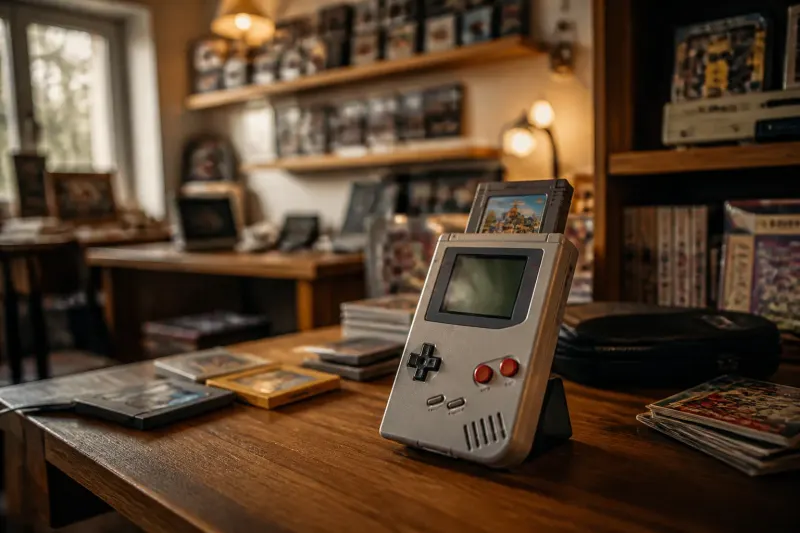
In an unexpected fusion of nostalgia and technology, Dr. Marcel Pflug has embarked on a project that brings a vast collection of Game Boy history directly to a classic handheld console. While no one was particularly clamoring for a Game Boy cartridge that serves as a museum reference, Pflug turned what many might see as an odd endeavor into a heartfelt tribute to gaming history. The creation transformed a simple cartridge into an interactive guide, turning the Game Boy itself into a living exhibit.
The Concept Behind the Museum
Pflug’s vision originated from the concept of creating a museum piece that encapsulated everything surrounding the iconic Game Boy. "What if the museum itself became one of them?" he muses on the project's inspiration. His aim was to offer a comprehensive archive of knowledge in a format compatible with a device from 1989, sparking interest while challenging technological constraints. Pflug's Game Boy Museum catalog includes extensive collections of game-related merchandise, accessory guides, and countless articles, all dedicated to exploring the world of Nintendo’s pioneering portable console.
Technical Challenges and Solutions
Transforming a museum's worth of information into a format that fits on a 1989 Game Boy posed significant challenges. Pflug discovered that the Game Boy was a "spectacularly bad e-reader", limited to only 255 blocks of information displayed on screen, making it difficult to convey text-heavy content effectively. Given that the museum relies heavily on textual descriptions, Pflug’s task was a game of inches—carefully optimizing space to fit the vast amount of information onto a cartridge.
Innovative Approaches to Content
To circumvent the limitations, Pflug integrated creative solutions, such as implementing QR codes, allowing users to scan links with modern smartphones for additional visual content that couldn't fit on the Game Boy’s small display. This connection between 80s technology and 2020s mobile devices served as a charming nod, albeit fraught with complications since QR codes were designed long after the Game Boy's introduction.
Graphics and Visual Representation
Beyond textual constraints, graphical representations were another hurdle. Transforming photographs into a Game Boy-compatible visual format often rendered them unrecognizable. Pflug humorously described the process—"the face becomes one pale blob, the eyes turn into two black holes"—as he attempted to convert images to suitable tones. This limitation led him to hand-draw the cartridge's title screen pixel by pixel, which proved labor-intensive and ultimately resulted in the exclusion of plans for an entire museum hall within the cartridge.
Years of Dedication
The project was not a quick endeavor; Pflug invested several years into the Game Boy Museum cartridge, dedicating evenings and weekends to programming and tinkering in his free time. Although it would be challenging to pinpoint an exact duration, Pflug noted that significant gaps often interrupted his work, owing to his full-time corporate role and other pursuits such as managing a guitar portal named Sticky Tunes.
A Passion for Programming and Innovation
Programming provides Pflug with a sense of relaxation and creativity. He conveys, "Building things allows me to forget the world for a while." His journey isn’t one driven by external expectations; he finds freedom and joy in pursuing projects purely out of curiosity and the desire to challenge himself. In an era dominated by rapid AI-driven results, Pflug's approach highlights the essence of human ingenuity and the joy of craftsmanship.
Highlights of the Game Boy Museum
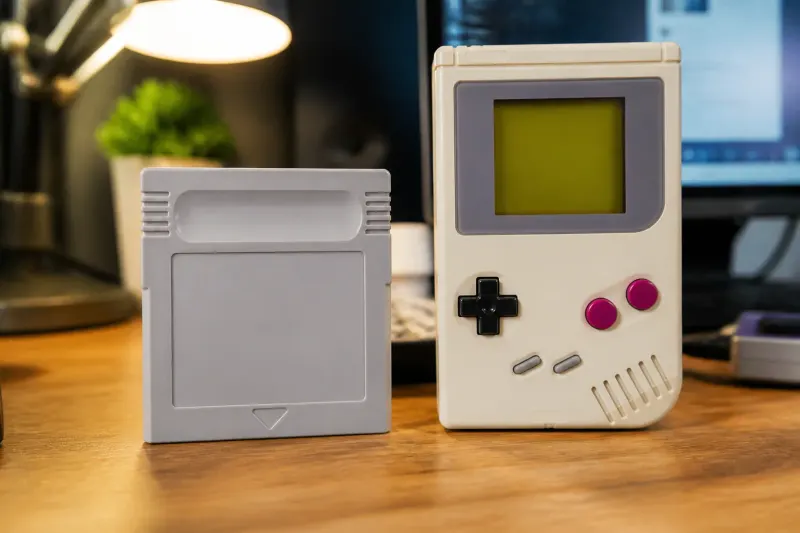
The Game Boy Museum ultimately functions as a searchable archive, meticulously compiled with facts and trivia about the Game Boy and its intriguing lineage. It covers aspects such as:
- The console’s hardware and accessory variations
- A diverse array of games and collectible merchandise
- Advertising campaigns that shaped its cultural significance
Pflug describes the cartridge as "a proper encyclopedia of the Game Boy's world that you read chapter by chapter like a paperback." A fitting analogy for its comprehensive nature as it stands in stark contrast to the immediate gratification offered by modern tech.
Community Response
Since its unveiling, Pflug has been pleasantly surprised by the enthusiastic reaction to his project. Notably, it has resonated beyond the English-speaking audiences and reached Japan, the birthplace of the Game Boy. "That it resonated at the source felt like a small gift," Pflug expressed, reflecting on the global appreciation for the nostalgic nod to gaming heritage.
Looking Towards the Future
While the cartridge project is effectively complete, Pflug is committed to updating the software yearly, ensuring the archive remains relevant as new information arises. He envisions a continually evolving platform that grows alongside the museum itself, maintaining the interconnectedness of history and technology.
Exciting New Initiatives
Pflug's experience with the Game Boy Museum project has inspired him to embark on a new venture—the GB Test Lab. Unlike the previous cartridge that serves as a museum, this new tool is designed to diagnose and test the Game Boy console itself, offering features to assess button wear, memory integrity, and compatibility with accessories like printers. By providing collectors and enthusiasts with practical tools, Pflug hopes to further the community's passion for preserving these classic devices.
Key Takeaways
- The Game Boy Museum cartridge serves as a unique interactive archive for gaming history.
- Dr. Marcel Pflug spent several years developing the project, overcoming significant technical challenges.
- The cartridge includes a range of information about Game Boy hardware, accessories, and games.
- Pflug aims to update the cartridge annually to reflect the museum's evolving content.
- His new project, GB Test Lab, offers diagnostic tools for Game Boy consoles.
Conclusion
Pflug’s commitment to honoring the Game Boy and delivering an encyclopedia-like experience on such an old platform showcases a powerful intersection of nostalgia, creativity, and technical prowess. His projects embody the spirit of curiosity and human connection, reflecting an enduring appreciation for the devices that shaped gaming culture. As we step deeper into an AI-driven world, initiatives like Pflug’s remind us of the value found in the human touch and the stories behind our cherished technology.
Frequently Asked Questions