
Geralt's Voice Transformation Using AI in The Witcher 3 Expansion
CD Projekt Red's innovative use of AI to modify voice actor Jacek Rozenek's performance addresses vocal changes post-stroke, ensuring continuity in The Witcher 3 expansion.
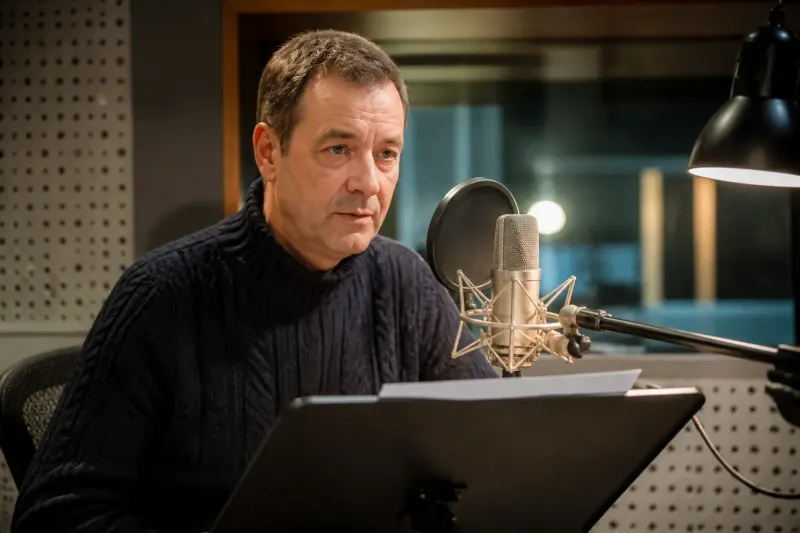
AI Revitalizes Geralt's Voice
CD Projekt Red has partnered with AI company Respeecher to enhance the voice of Geralt's Polish actor, Jacek Rozenek, for the latest expansion of The Witcher 3: Songs of the Past. This collaboration stems from Rozenek's health issues following a stroke he suffered in 2019, which altered his vocal quality significantly. Despite his rehabilitation, his voice, described as "lower and gruffer" now, posed a challenge for the developers aiming to maintain continuity in the video game series.
Rozenek, who has voiced Geralt in previous Witcher titles, was consulted about the AI enhancements, granting his approval for the project. The team sought to recreate his voice to sound similar to how it did around a decade ago, as the narrative context requires a seamless blend of old and new recordings.
The Process of Voice Adjustment
The adjustment of Rozenek's voice involved extensive collaboration between CD Projekt Red and Respeecher. Mikołaj Szwed, a localization producer at CDPR, shared insights into the process, stating, "We basically delivered to Respeecher all the lines that Jacek recorded for us for The Witcher 3." The goal was to make the AI-modified audio sound richer and more youthful, resembling that of the original character from the early games.
Dmytro Vasylets, a synthetic speech artist at Respeecher, described the challenges encountered. The task required dozens of hours to train the AI models to accurately capture not just the tone but also the nuanced emotional ranges Rozenek is known for, including half-tones, shouts, and varied emotional expressions. Although they aimed for an optimal audio experience, some artifacts from AI processing remained, which the team had to manage thoughtfully.
Rozenek's Journey and Trust in the AI Process
For Rozenek, returning to the role of Geralt resonates deeply as he expresses a longstanding familiarity with the character. He remarked, “The point is that this voice should be as close as possible to my voice from 12 years ago. I have great trust…for the creators of this game.” His acceptance of the AI treatment speaks volumes about the collaborative spirit of the studio and the efforts taken to prioritize his comfort in this unique circumstance.
CD Projekt Red’s Ethical Considerations
While CD Projekt Red has historically approached AI usage with caution, this specific scenario has fostered a different outlook. The developers recognize the complexities and concerns surrounding the use of generative AI in voice acting. Szwed stated that consent is paramount, explaining that they ensured Rozenek's full understanding and agreement before proceeding with the AI adjustments.
In the realm of gaming, concerns about generative AI have sparked significant debates. Many voice actors have expressed a desire to maintain control over their works, especially as technology advances. CD Projekt's prior collaboration with Respeecher, which involved the late Miłogost Reczek, showcases their commitment to ethical practices, obtaining family approval in that instance as well.

Potential Implications for Future Projects
This unique situation with Rozenek is not expected to extend to other projects involving The Witcher franchise. CD Projekt has no plans to utilize AI in similar ways for Doug Cockle, the English voice of Geralt. Szwed clarified that the direct voice transformation in Rozenek's case is due to the coinciding availability of original recordings and the need for continuity in narration. If future games were set later in the timeline, the vocal changes would be justified within the storyline.
The studio's awareness of AI usage implications reveals an ongoing commitment to ethical production practices, particularly when voice actors are concerned. The focus of CD Projekt has been to ensure that any application of AI upholds the dignity and artistry of voice work while addressing the needs illustrated by Rozenek's health.
Comparative Context in the Industry
The recent news about Rozenek's AI-modified vocal performance appeared shortly after discussions by veteran voice actor Stephen Russell concerning his return to a role two decades after, in Thief: The Dark Project. Russell emphasized the adaptability required for voice acting as technology evolves, yet contrasted this with the tangible, life-altering effects faced by Rozenek.
Interestingly, as the industry grapples with these complex intersections between health, technology, and artistry, the dialogue around the acceptance and implementation of AI in voice work continues to grow. The Witcher 3: Songs of the Past offers a unique lens to reflect on these dynamics through Rozenek's personal journey and the studio's innovative approach.
Key Takeaways
- CD Projekt Red used AI to enhance Jacek Rozenek’s voice after a stroke altered its sound.
- Extensive collaboration with Respeecher was crucial to achieve a youthful and rich vocal quality.
- Rozenek approved the AI alterations, emphasizing the goal of matching his original voice closely.
- CD Projekt Red is cautious about AI use in future projects, ensuring ethical practices are adhered to.
- The process showcases the intersection of technology and artistry amidst increasing industry debates on generative AI.
Frequently Asked Questions