
Gukesh and Sindarov Share Third Straight Draw in Championship
Gukesh and Sindarov faced their third consecutive draw in the 2026 World Chess Championship, highlighting strategic play and psychological intensity. Explore insights and analysis.
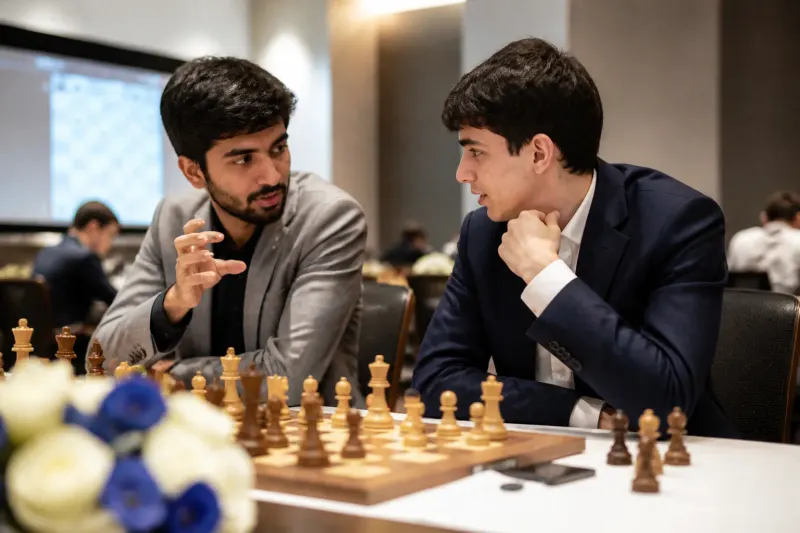
Intense Rivalry Continues at the World Chess Championship
The 2026 World Chess Championship match between Gukesh D and Javokhir Sindarov reached a notable milestone on November 27, when the duo completed their third consecutive draw in a prolonged battle that lasted 60 moves. As both competitors head into their first rest day, the psychological dimensions of this high-stakes encounter are becoming increasingly apparent.
Gukesh, the reigning world champion, remains unscathed despite a challenging series of games against Sindarov, who is experiencing his World Championship debut. Given that Gukesh has been in formidable form following his victory at the 2023 FIDE World Cup in Goa, the outcome thus far may indicate an underlying strategic depth from both players.
Pressures of Unsettled Draws
After the conclusion of the third game, both players participated in a press conference where they discussed the pressure of a winless stalemate after three rounds. Gukesh articulated the weight of expectation but suggested that the quality of play between them remains high. "Three draws may seem significant, but in the grand scheme of a 14-game match, we're still in the early stages. Both of us are playing strong chess, and that's what makes it challenging to seize a win." His perspective emphasizes the strategic nuance inherent in elite chess, where each player’s form can shift rapidly.
Sindarov, on the other hand, took a more nonchalant stance on the draws, dismissing the pressure with indifference. "It's a very hard question; I really don’t think about this," he remarked, reflecting the younger competitor's eagerness to absorb the experience without succumbing to the weight of the match's expectations.
Historical Context of the Matches
The World Chess Championship match is not only a test of skill but also a rich tapestry of historical significance, with Gukesh ingeniously varying his opening strategies. The 2026 championship match has taken a few unexpected turns already, starting originally in Berlin and London, before its latest visit to Rio de Janeiro. This time, Gukesh introduced a bold approach by employing a line from the Berlin Defense with black pieces.
The choice to play bishop to e7 in the most recent game surprised many observers and echoed a bygone era of chess strategy. This move recalls tactics from the late 19th century and was famously utilized in the World Championship between Viktor Korchnoi and Anatoly Karpov in 1981, showcasing the game’s long-standing tradition of surprising engagement.
Dueling Timers: A Battle of Speed
Significantly, the latest match saw Gukesh manage his clock time more proficiently, a departure from previous games where clock pressure hindered his performance. By his 16th move, Gukesh had built up a remarkable 20-minute lead, a first in the ongoing match. This timeline advantage exemplifies how crucial time management is in such high-stakes games, allowing Gukesh room to recalibrate his approach without rushing.
According to the rules, the traditional time increments provide a tactical layer to this chess battle. As the game concluded, Sindarov found himself under significant time constraints, with just over eight minutes left for the final ten moves. With the additional 30 minutes of extra time and a 30-second increment per move, the pacing of the match remains a dramatic and tense element for both players.
Psychological Warfare in Chess
Chess is as much a psychological battle as it is a tactical one, and Gukesh acknowledged this aspect after his surprising opening move. He stated, “There’s always something happening behind the scenes, some mind games in a championship match.” These psychological elements influence strategy development throughout the match, especially when considering the same opponent game after game.
As chess grandmaster Judit Polgar commented on a Chess.com stream, Gukesh's Be7 was not a typical opening move. Its provocative nature places pressure on his opponent, inviting them to make aggressive decisions while potentially exposing weaknesses. This psychological interplay adds an engaging layer, making the outcome somewhat unpredictable.
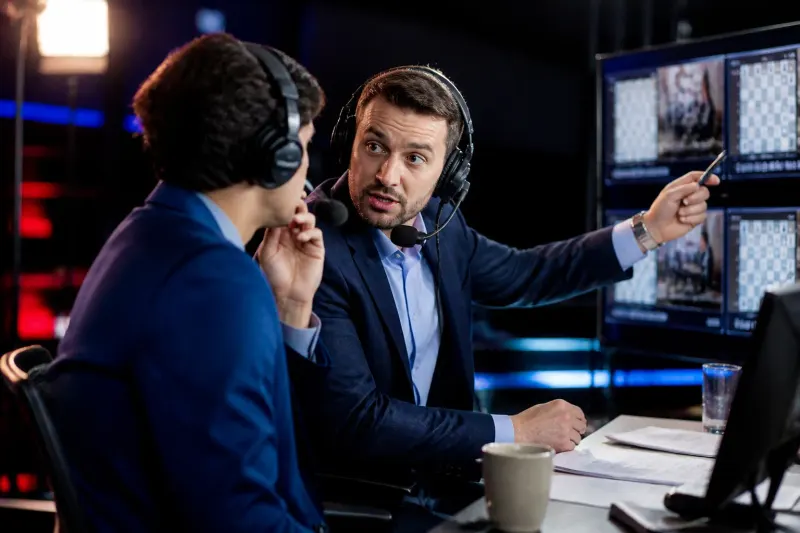
Strategic Comments from Experts
Experts in chess have offered commentary on Gukesh’s daring strategies. British GM David Howell noted that the unconventional play represented a significant risk, as the move tends to provoke a reaction from the opponent with white pieces. Meanwhile, Peter Svidler remarked on the rarity of Be7 being utilized in such a critical match, indicating the depth of Gukesh’s experimentation with unorthodox tactics.
Drawing comparisons to past championship experiences, renowned player Peter Leko shared anecdotes about contemplating similar strategies against his opponent in previous title matches. Leko contemplated the Rio line as a tactic but ultimately chose not to employ it. This reflection on missed opportunities and tactical decisions underscores the weight of pressure felt by competitors seeking to innovate while honoring chess traditions.
Looking Ahead: Strategies and Predictions
As the championship progresses, both players are expected to reevaluate their strategies while keeping their psychological games in check. With the match still far from over, Gukesh and Sindarov must adapt quickly to each other's moves and thought processes without losing their individual tactical identities. Gukesh seems to embrace a patient and calculated approach, while Sindarov’s tournament debut positions him as an exciting wild card in these high-stakes games.
Understanding their psychological responses will likely dictate the course of forthcoming games, as both competitors must navigate a blend of tactical acumen and mental resilience. This balance is essential as they continue down the path of this lengthy match with avid interest from chess aficionados worldwide.
Key Takeaways
- Gukesh and Sindarov have drawn all three matches in the World Chess Championship so far.
- The third game featured a surprising opening move by Gukesh, playing bishop to e7.
- The match has shifted through several global locations, starting in Berlin and London before Rio de Janeiro.
- Gukesh had a significant time advantage during the latest game, contrasting with earlier matches.
- The psychological aspect of chess strategy is crucial in this championship, as noted by player commentary.
Frequently Asked Questions