
Inside the Rogue Trader Networks Scamming Customers in the UK
A recent BBC investigation reveals how organized rogue trader networks are scamming customers in the UK, exploiting their vulnerability with exorbitant service fees. Learn about the experiences of victims and the measures being taken to combat these scams.
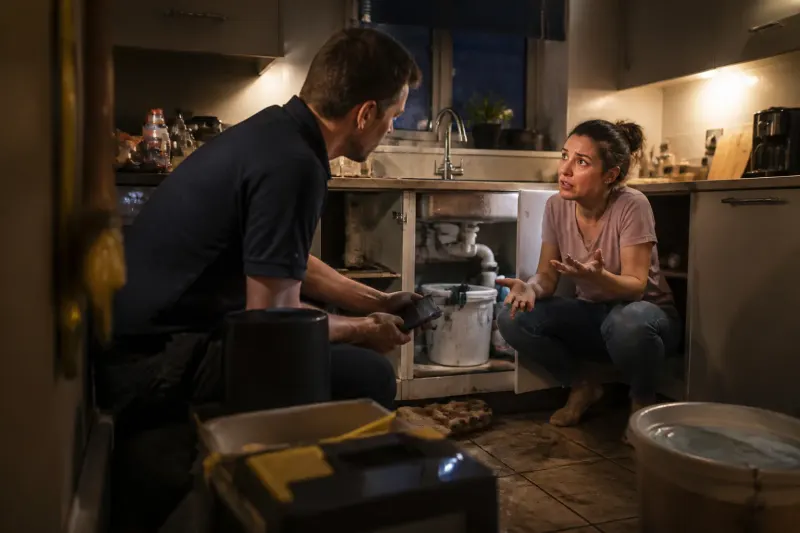
Organised networks of rogue plumbers and electricians have been systematically scamming customers across the UK, as uncovered by a recent BBC investigation. The investigation focuses on Nessar Khawaja, who promotes his services under the name "ThatGuyNess" on social media platforms like TikTok, where he boasts about his earnings from exploiting vulnerable customers. This data reveals the modus operandi of these rogue traders, highlighting how they mislead clients and charge exorbitant prices for simple tasks.
The Rise of Nessar Khawaja
Nessar Khawaja, a 23-year-old, has attracted a following of nearly 70,000 on TikTok by sharing videos that showcase his plumbing work while simultaneously recruiting others into his scam network. In these posts, he portrays himself and his associates as the "top of the food chain" in the plumbing industry, actively encouraging others to join his operation. His social media presence is not just for entertainment; it serves as a platform for him to advocate for an exploitative business model aimed at financially desperate customers who may not be familiar with fair pricing.
Exorbitant Charges and Customer Exploitation
The overarching theme of Khawaja's business is monetising vulnerability. Reports indicate that victims of these scams often suffer financial losses averaging around £10,000 for minor repairs or installations that should generally cost a fraction of that amount. For example, one victim, Clive, faced a stunning bill of £9,153 for installing a simple outdoor socket, a service an expert later assessed should have cost merely £250. Feeling pressured into making the payment, Clive expressed his distress and fear; he recounted the moment he handed over the money, worrying about the repercussions of refusing to comply.
This disturbing trend indicates a significant rise in rogue trader scams, often attributed to the accessibility of the internet, which allows such businesses to thrive under the guise of legitimate operations.
Case Studies of Victims
The experiences of other victims, like Tom from Essex, parallel Clive's harrowing story. Tom initially contacted a rogue trader after identifying a leak in his home. Despite being quoted a reasonable £49 for the service, the final bill escalated to £6,237.60, which left him shocked and alarmed. The tradesman charged for various repairs that were exaggerated or unneeded, causing Tom to question the integrity of the service. He later learned from a second opinion that the job should not have exceeded £1,000.
Tom's situation worsened when he attempted to contact the company to dispute the charges and subsequently received threatening calls from individuals asserting they would come to his home. This intimidation tactic underscores the lengths to which these rogue traders will go to maintain control over their victims.
The Business Model of Rogue Traders
Rogue traders like Khawaja thrive by exploiting search engine traffic, utilizing tactics that manipulate customers seeking reliable services. Often, they achieve visibility in search results through paid advertisements or by slightly modifying the names of established companies to mislead potential clients.
Khawaja’s networks not only charge inflated prices but also recruit new members through deceptive scripts instructing individuals on how to maximize profits. An insider mentioned that recruits are encouraged to inflate costs if they sense vulnerability in the customer, especially if children or pets are involved. This exploitation of trust illustrates the predatory nature of such operations.

Legal Responses and Consumer Protection Initiatives
In response to these alarming practices, both Clive and Tom filed reports with local law enforcement—the Metropolitan Police and Essex Police, respectively. Their complaints exemplify the need for increased consumer protection against fraudulent traders. The investigation has raised questions regarding the responsibility of large companies like TikTok and Google in monitoring and regulating rogue advertisements within their platforms.
TikTok has since banned Khawaja's account for violating its policies on fraud, highlighting the potential for rapid action against offenders. Meanwhile, Google, while emphasizing the enforcement of its advertising policies, has not directly addressed how rogue traders can still obtain visibility through its search engine.
What Lies Ahead for Victims and Authorities
The fallout from these rogue trading practices continues to affect consumers deeply, with many feeling unsafe in their homes and hesitant to seek help in emergencies. As the investigation sheds light on these troubling networks, advocates urge for more stringent regulations and response strategies to protect consumers from falling victim to similar scams. The stories of Clive and Tom not only illustrate personal trauma but also serve as warnings to the wider community about the risks associated with engaging unverified services.
Key Takeaways
- Rogue traders are scamming people in the UK, with average losses around £10,000 per incident.
- Nessar Khawaja’s network uses social media to recruit and manipulate desperate customers.
- Victims like Clive and Tom faced exorbitant bills for minimal services delivered.
- The modus operandi includes intimidating customers into complying with inflated charges.
- Consumer protection agencies and law enforcement are beginning to address these issues, but more action is needed.
As the BBC continues its investigation, the hope is to prompt stricter regulations that not only penalize rogue traders but also protect consumers from unscrupulous practices in the future.
Frequently Asked Questions