
Denis Villeneuve's Vision for Dune: From Childhood Dream to Epic Trilogy
Denis Villeneuve's adaptation of Dune reflects a lifelong dream, overcoming challenges and exploring profound themes for a groundbreaking film trilogy.
The Journey to Dune
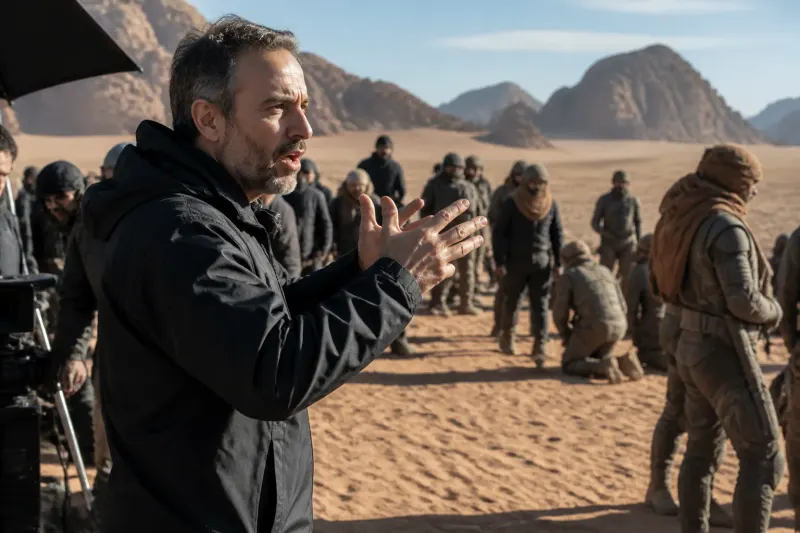
Denis Villeneuve's path to bringing Dune to the screen is deeply personal, rooted in a childhood dream that has spanned decades. From the age of 14, he envisioned the sweeping deserts of Arrakis, filled with colossal sandworms and intricate political machinations. Villeneuve's impactful introduction to Frank Herbert's seminal novel struck him profoundly, calling it his "Rosetta Stone," as he often delved into the book's themes of ecological consciousness and spirituality. As he reflected, "I’m still deeply moved to have had the chance to tackle this dream, to play with this dream." This passion for the story would later be transformed into one of modern cinema's most ambitious franchises.
Film Adaptations
| Film | Director | Release Year | Runtime |
|---|---|---|---|
| Dune (1984) | David Lynch | 1984 | 137 minutes |
| Dune: Part One | Denis Villeneuve | 2021 | 155 minutes |
| Dune: Part Two | Denis Villeneuve | Scheduled for 2026 | To be announced |
Facing Challenges
The endeavor to adapt Dune proved daunting for Villeneuve. He recognized that the novel's complexity rendered it seemingly unadaptable. Reflecting on his experiences, Villeneuve stated, "The very idea of adapting Dune was an inaccessible, out-of-reach dream." His previous films, like Arrival and Blade Runner 2049, served as preparatory stages, helping him master the intricate balance of large-scale storytelling combined with intimate character arcs. Villeneuve aimed to craft a modern adaptation while avoiding the pitfalls of past interpretations, notably those experienced by Lynch.
A Two-Part Structure
Villeneuve made a critical decision to split Herbert's comprehensive narrative into two films. He believed this was necessary to appropriately honor the depth of the story and avoid the oversights of previous adaptations. "The book is so rich. There are so many fantastic details about the different cultures," he explained. This strategic choice reflects his commitment to ensuring that audiences receive a complete narrative experience.
Shooting Challenges
Production for both films involved shooting in extreme conditions, and Villeneuve has acknowledged how taxing it can be. He noted, "We were working in extreme conditions – in the storms, high winds, high heat," emphasizing the grueling nature of filmmaking in environments like the deserts of Wadi Rum and Abu Dhabi. Villeneuve even commented on the necessity of time between productions, saying, "It’s good to recharge, to regroup, to dream a bit more, to bring something new to Dune: Part Two."
Character Insights and Arrakis
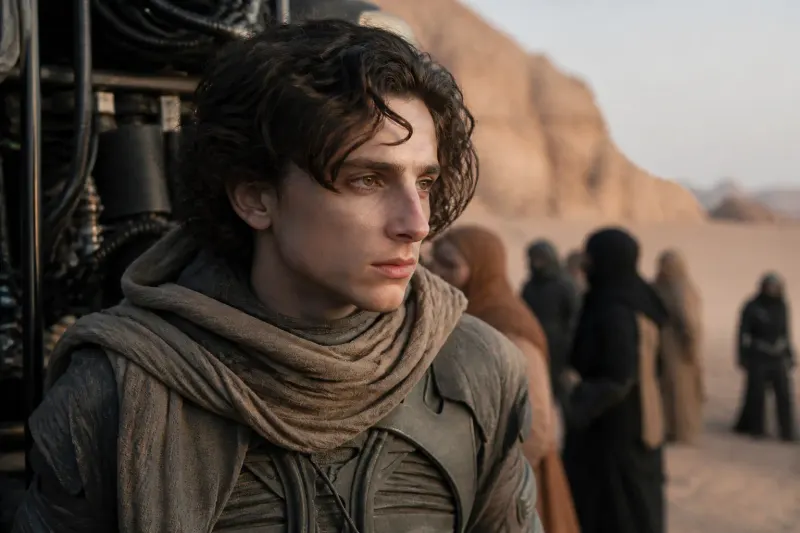
Central to the narrative is Paul Atreides, portrayed by Timothée Chalamet, who embodies the struggle of a young man thrust into leadership. Villeneuve envisioned Paul as a reflection of his own youthful existential challenges. Chalamet remarked, "To have a director like Denis, who’s in the prime of his career, working on a project of this size, is something really special." As the story unfolds, Paul’s journey through Arrakis becomes a cornerstone, with the desert planet often seen as a character in its own right, immortalized in Villeneuve's vision.
A Cast of Stars
The cast assembled for Dune is impressive, featuring notable performances from Oscar Isaac, Rebecca Ferguson, and Zendaya. Villeneuve's ability to inspire his actors became apparent during rehearsals and filming, creating an atmosphere of collaboration. Jessica Ferguson emphasized this dynamic, saying, "It was really a movie inspired by Timothée. Paul Atreides is a rock star; you need someone that will lead a whole planet." This sentiment echoes throughout the production team, culminating in a shared commitment to Hermbert's vision.
Environmental Themes
As Villeneuve emphasizes, the narrative of Dune transcends mere science fiction, delving into ecological themes that resonate today. Chalamet stated, "Dune is a love letter to ecology. And not in a tacky way." The film's reflection on environmental stewardship and the consequences of exploitation resonates strongly amidst current global conversations, making the film not merely an adaptation but a topical cultural reflection.
What's Next for Dune?
As the release of Dune: Part Two draws near, set for December 18, anticipation mounts for its reception and potential continuation. Villeneuve acknowledges the uncertainty that lies ahead, particularly regarding the trilogy's closure and adaptations beyond Herbert's original works. Villeneuve finds motivation in his artistic ambitions, stating, "I think I did the trilogy to make that image," referring to crucial cinematic moments he hopes to achieve.
Key Takeaways
- Denis Villeneuve's Dune trilogy is rooted in his childhood dream of adapting the story.
- Production challenges included filming in extreme desert conditions.
- The film adaptation splits Frank Herbert's novel into two parts to capture its richness.
- Environmental themes in Dune address contemporary issues relevant today.
- Dune: Part Two is set to release in theaters on December 18, 2026.
The upcoming release of Dune: Part Two promises not only to conclude the epic story but also seeks to resonate powerfully with audiences worldwide. Villeneuve's long-held vision is about to come full circle, offering viewers a cinematic experience rich with depth, emotion, and profound themes that could inspire a new generation.
Frequently Asked Questions