
Star Trek IV: Celebrating 40 Years of The Voyage Home
Star Trek IV: The Voyage Home celebrates 40 years, remembered for its joyful tone, humor, and environmental message, diverging from its darker predecessors.
Bringing Joy to the Star Trek Franchise
As it marks its 40th anniversary, Star Trek IV: The Voyage Home stands out as a uniquely joyous entry in the franchise, affectionately referred to as "the one with the whales." This installment follows the darker tones of the preceding films, The Wrath of Khan and The Search for Spock, which dealt with themes of loss, sacrifice, and conflict. Following such heavy narratives, the franchise was ripe for a lighter and humorous approach.
Leonard Nimoy’s Vision
Director Leonard Nimoy, who also played Spock, sought to create a film that was markedly different from its predecessors. He was given the creative freedom to craft a story devoid of typical Star Trek violence, stating, "no dying, no fighting, no shooting, no photon torpedoes, no phaser blasts, no stereotypical bad guy." This shift towards celebrating life rather than focusing on conflict was a refreshing change. Nimoy intended for the film to resonate beyond the established fanbase, aiming to make it a broadly appealing experience.
The Plot: Whales to the Rescue
The narrative begins three months after Spock’s resurrection, with Captain Kirk and the crew aboard a Klingon Bird-of-Prey, humorously nicknamed the Bounty. They are en route to Earth to answer for their previous escapades when an alien probe, which creates chaos on Earth, demands the presence of humpback whales — a creature extinct by the 21st century.
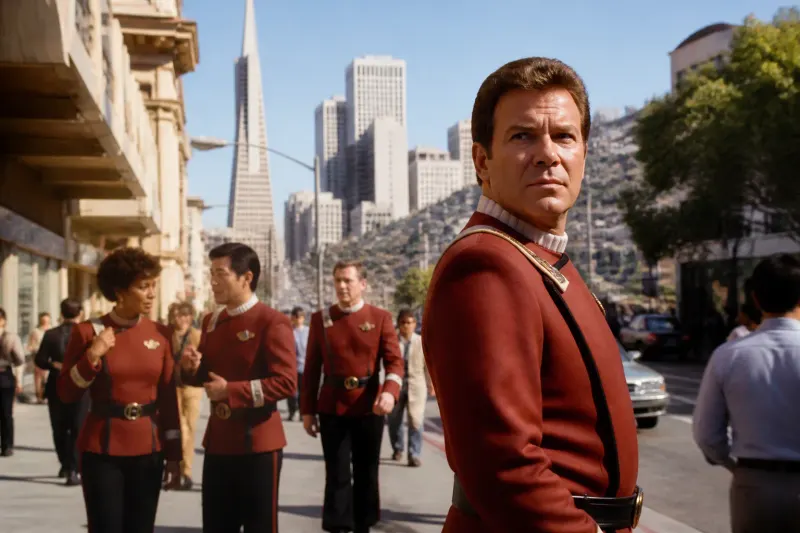
To save the planet, the crew travels back to 1986 San Francisco, utilizing a time-travel sequence that was innovative for its time. The film creatively blends the science fiction of Star Trek with an engaging comedy, as the crew interacts with the quirks of contemporary America while trying to locate these whales. This fish-out-of-water scenario not only provided comedy but also imparted a crucial environmental message about the vulnerability of nature.
Creative Choices and Unconventional Storytelling
The film's writing team, composed of screenwriters Steve Meerson and Peter Krikes, initially developed various plot ideas, including dramatic elements like a plague threatening future Earth. However, with Nimoy at the helm, the focus shifted to a comedic narrative. There was also a significant suggestion to include Eddie Murphy in a guest role, but after his withdrawal, Nicholas Meyer was brought in to refine the script, ensuring it maintained a comedic yet heartfelt core.
A notable feature of the film was its decision to downplay overt Star Trek branding, reflecting Nimoy's intention to make the film accessible. The production took advantage of real locations—San Francisco became an integral part of the comedy, with the crew navigating through the city wearing their out-of-time clothes.
The Whales: A Technical Marvel
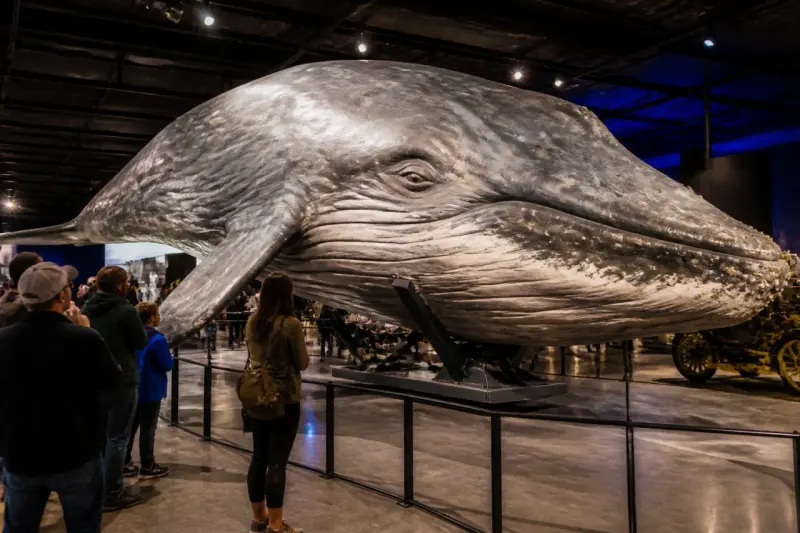
Visually, the film relied heavily on animatronic whales designed by Industrial Light & Magic. The film's depiction of these whales was so well-executed that they went on to tour museums around the globe. Executive producer Ralph Winter stated that audiences misunderstood how well-realized these animatronics were, which may have impacted award recognition despite their technical prowess.
The whales themselves, named George and Gracie, add emotional depth to the storyline. They represent the themes of conservation and the importance of protecting endangered species—a message that remains relevant today. The film brilliantly encapsulates the crew's journey to understand and respect a species they previously took for granted.
Legacy and Cultural Impact
The Voyage Home became the highest-grossing Star Trek film, a record it held until the rebooted series in 2009. Its success reflected not only box office numbers but also the film's cultural impact and resonance with broader audiences. Nimoy's direction not only proved that Star Trek could thrive in lighter tones but also restored hope in the franchise after the darker narratives of previous films.
Additionally, the film set the stage for the future success of the Star Trek franchise and significantly influenced the production of Star Trek: The Next Generation, with Paramount keen to capitalize on the renewed interest in the iconic series.
Key Takeaways
- Star Trek IV: The Voyage Home marks 40 years of a beloved narrative centered around environmentalism and light-hearted humor.
- Director Leonard Nimoy aimed for a film devoid of violence, promoting accessibility for non-fans.
- The plot involves the crew traveling back to the 1980s to save Earth by finding humpback whales.
- The film is recognized for its technical achievements in animatronics, particularly with the lifelike portrayal of the whales.
- Its box office performance set a high bar within the franchise, leading to renewed interest in Star Trek's future.
Conclusion: A Joyous Trek for All
At 40, Star Trek IV: The Voyage Home remains a standout among fans and casual viewers alike for its heartwarming tale and comedic execution. It serves not just as an entertaining film but as a critical reminder of the importance of environmental stewardship. The joyous escapades of Kirk and his crew continue to resonate, proving that sometimes, humor and humanity can lead to saving the day — and the planet. It is a cornerstone of the franchise that celebrates its legacy while humorously reminding audiences of their responsibility to the world around them.
Frequently Asked Questions