
Celebrating 65 Years of Human Spaceflight at NASA Johnson
NASA’s Johnson Space Center celebrates 65 years of shaping human spaceflight. Explore its historical milestones, contributions, and visions for the future.
Historic Milestones in Human Spaceflight
NASA’s Johnson Space Center in Houston is marking a significant milestone, celebrating 65 years of contributing to human spaceflight. From the early days of the Mercury and Gemini missions through complex long-duration habitation aboard the International Space Station (ISS), Johnson has not only facilitated missions but also laid the groundwork for future exploration beyond Earth.
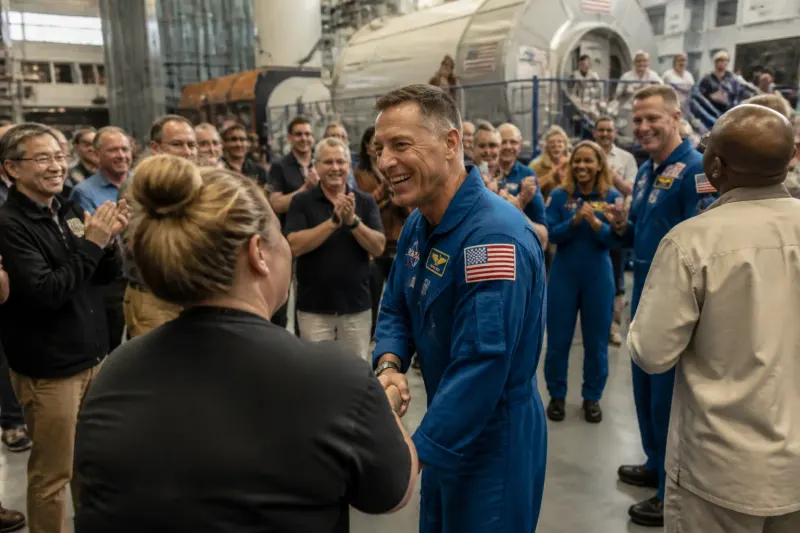
During the anniversary celebrations at the Kennedy Space Center on November 6, 2026, prominent NASA astronaut Randy Bresnik was joined by astronauts from the European Space Agency and others to reflect on the center's invaluable contributions. This gathering highlighted the ongoing work at Johnson, which is instrumental in preparing for NASA's forthcoming Artemis program aimed at a sustainable presence on the Moon.
Mercury and Gemini: The Foundation of Human Spaceflight
Johnson Space Center, originally the Manned Spacecraft Center, was established on November 1, 1961. Just as it launched, NASA had already done two suborbital Mercury missions, with the first orbital flight taking place shortly after. During this time, the Project Gemini operations were based in Houston while much of Project Mercury remained at Cape Canaveral to ensure operational continuity.
By June 1965, the newly constructed Mission Control Center began operations during Gemini IV, the mission that featured the first American spacewalk. This pivotal point in the mission made Houston the hub for American human spaceflight, managing the pivotal operations needed for the rest of the Gemini missions as well as the ambitious Apollo program.
The untimely tragedy of the Apollo 1 fire in January 1967 prompted critical changes. The staff at Johnson worked diligently to redesign and improve safety measures before resuming crewed missions with Apollo 7 in October 1968. This era culminated in 1969 when Apollo 11 marked humanity’s first Moon landing, with the famous phrase, "Houston, we have a problem," etching itself into space exploration history.
Skylab and International Collaboration: Pioneering Long-Duration Spaceflight
The launch of Skylab in May 1973 marked another milestone, becoming America’s first space station despite launch complications that required immediate engineering intervention from Houston. Following the Skylab missions, which demonstrated the feasibility of long-duration human spaceflight, the groundbreaking Apollo-Soyuz Test Project in July 1975 showcased international collaboration between U.S. astronauts and Soviet cosmonauts— a symbolic handshake that ushered in a new era of cooperation in space exploration.
The Space Shuttle Era: Innovation and Safety
Initial designs for the space shuttle began in the late 1960s, with formal approval coming in 1972. This set the stage for a revolutionary reusable spacecraft that transformed space travel by allowing multiple missions and a broad range of scientific endeavors. Following its first launch on April 12, 1981, space shuttle Columbia embarked on 135 missions over three decades, contributing to a wealth of knowledge across various scientific disciplines.
Despite facing tragedies, including the Challenger and Columbia disasters, NASA placed a renewed focus on safety and continued to enhance mission capabilities. The shuttle program concluded in July 2011, yet its legacy continues to inform current missions, providing crucial insights into spacecraft operation and human health in space.
Establishing a Permanent Human Presence in Space
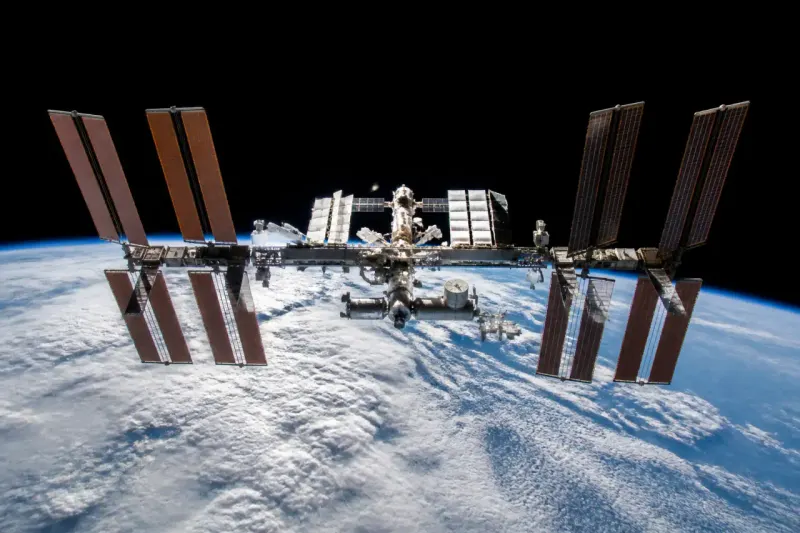
In 1984, President Reagan approved the initiative that would later evolve into the International Space Station (ISS), fundamentally changing how humans inhabit space. With its first module launched in November 1998, the ISS now serves as a laboratory for a continuous human presence in space, largely coordinated from Johnson Space Center. Since November 2, 2000, a variety of rotating crews have maintained operations aboard, conducting over 4,000 science experiments pertinent to both space exploration and life on Earth.
The Human Research Program at Johnson plays a critical role in studying how microgravity affects human physiology. This knowledge aids researchers in formulating strategies for future deep space missions, including Mars exploration.
The Future: Missions to the Moon and Beyond
Johnson’s support for the Artemis program is a pivotal component of NASA’s return to lunar exploration. The recent Artemis II mission, which included a four-person crew orbiting the Moon in April 2026, aims to pave the way for Artemis III, which will facilitate critical lunar landings.
The Moon Base Program is poised to establish a sustained human presence near the Moon’s South Pole. Early robotic missions will prepare for future human exploration, underscoring Johnson’s critical involvement in training crews and developing necessary technologies.
Key Takeaways
- 65 years of pioneering efforts in human spaceflight at NASA's Johnson Space Center.
- The center has facilitated significant missions including Mercury, Gemini, Skylab, and the International Space Station.
- NASA's Artemis program seeks to establish a sustained presence on the Moon, with critical upcoming missions.
- Johnson is central to astronaut training, mission control, and human health research for space missions.
Conclusion: A Legacy of Exploration
The 65-year journey of the Johnson Space Center is a testament to humanity's quest for knowledge and exploration beyond Earth. As teams continue preparations for the ambitious Artemis missions and beyond, Johnson remains at the forefront of advancements that will shape human exploration in the coming decades, ensuring that the legacy of human spaceflight continues to thrive.
Frequently Asked Questions