
Increase in School Dinner Prices Raises Concerns for Families
Starting in January 2027, school meal prices will rise in Northern Ireland, putting additional financial stress on families affected by the ongoing cost of living crisis. Educators are concerned about the implications for children's health and nutrition.
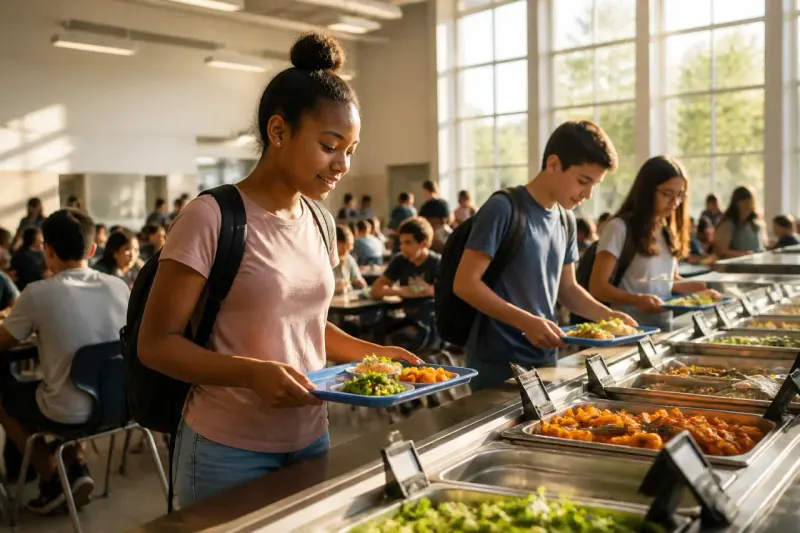
Rising Costs of School Dinners in Northern Ireland
The price of school dinners in Northern Ireland is set to rise, adding to the financial burdens many families are already facing amidst the ongoing cost of living crisis. Starting January 2027, the price for meals served to pre-school, primary, and special school pupils will increase by 30p, raising the cost from £2.60 to £3.40. For post-primary pupils, meals will see a 15% increase. This follows a previous increase of nearly 20% implemented in January 2026.
Headteachers and educators express grave concerns about the impacts these changes will have on families struggling to meet basic needs.
Price Changes Affecting School Meals
The price hikes, effective next January, will significantly impact family budgets. With the primary and special school meal price per child rising to £3.40, the financial ramifications for families with multiple children will be substantial, especially given the recent economic climate. Earlier in the year, schools had to confront their menu offerings; now, parents are bracing for another increase.
Specifically, the price for meals for preschoolers, primary, and special school students will see a substantial increase, whereas the post-primary meal prices will become more expensive but in a smaller percentage context.
Impact of Price Increases on Families
Áine Leslie, principal of Malone Integrated College in Belfast, highlighted the distress many families are feeling, reporting that around 55% of her students are eligible for free school meals. Leslie reflected on the cumulative impact of price increases on families, particularly those managing multiple children across different school levels:
"The cumulative effect of this will be immense. For families with multiple children, trying to make ends meet is becoming incredibly difficult. I firmly believe families are going to struggle at Malone," she stated.
Leslie also expressed her concern about the stigma attached to needing help, emphasizing that without proper nutrition, children's learning could suffer.
Factors Driving the Increased Costs
Education Minister Paul Givan expressed discontent at the increase, attributing it to the "insufficient funding" faced by the Education Authority (EA), which oversees school meals in the region. He stated, "Education often bears the greatest burden during cost-saving exercises," indicating that the education sector has been squeezed by dwindling financial support from the local and national government.
These financial pressures lead to difficult decisions regarding school meal pricing. Furthermore, he noted that public services in Northern Ireland are being adversely affected by inadequate funding from Westminster.
Menu Changes to Accompany Price Hikes
In addition to the rising costs, the EA has announced changes to school meals menus to offset financial challenges. The most significant alteration involves replacing baked desserts with lower-cost alternatives, which will likely impact the overall quality and appeal of school lunches.
The changes are meant to help mitigate the financial pressures faced by schools while ensuring that they continue to offer meals to students. However, critiques have emerged regarding how these measures affect the nutritional value of meals available to pupils.
Wider Implications on Child Welfare and Nutrition
Some educators warn that rising meal costs could severely hinder students' access to nutritious food, which is essential for their physical and mental health. Christos Gaitatzis, principal of Omagh High, noted that for approximately 30% of students at their institution who rely on free school meals, the increased price is excessive:
"We are talking about £20 a week,, which is a substantial cost for school lunches. This puts pressure on families to switch to pack lunches, which may not provide a balanced diet," Gaitatzis stated.

Concerns from Officials and Advocates
Northern Ireland’s commissioner for children and young people, Chris Quinn, expressed his shock at the decision to increase school meal prices, questioning the rationale behind it. Quinn pointed out the unfairness of placing financial burdens on children and families, especially during challenging economic conditions. He insisted that nutritious meals should be a basic right for all children:
"School meals are not a luxury. For many children, they are an essential part of the school day, and these increases will most drastically affect already struggling families due to the cost-of-living crisis."
Additional Costs Rising Alongside School Meals
As the cost of school meals escalates, other related expenses are also being targeted for cuts by the EA. Payments for school milk are reportedly at risk, and the EA is seeking additional funding to maintain these subsidies for around 500 schools. Additionally, the authority may offer more parents the option of transit payments for their children rather than covering taxi fares for transportation.
Charges for extracurricular music lessons and various school programs are also anticipated to increase, compounding the financial difficulties families face.
Conclusion and Looking Ahead
As school meal prices rise alongside other costs, families in Northern Ireland are poised for additional challenges in the upcoming year. Educators and health advocates are calling for better funding solutions to prevent further stresses on budgets for families already struggling with rising inflation and living costs. The conversation about education funding, and children's welfare will remain critical as stakeholders seek solutions to improve the financial realities facing students and their families.
Key Takeaways
- School meal prices in Northern Ireland will increase by £0.30 for younger pupils and 15% for post-primary students.
- Approximately 55% of students at Malone Integrated College qualify for free meals, and these changes could impact many families.
- Education Minister Paul Givan cites underfunding as the reason behind the price hike.
- Changes to school menus will see baked desserts replaced with cheaper options.
- Additional costs for families are anticipated as fees for music lessons and school milk could also rise.
Frequently Asked Questions