
Yale's Jeffrey Sonnenfeld Critiques Nvidia's Impact on U.S. Industry
Yale’s Jeffrey Sonnenfeld expresses strong criticism towards Nvidia, suggesting its contributions negatively affect U.S. industrial power amid ongoing legal challenges.
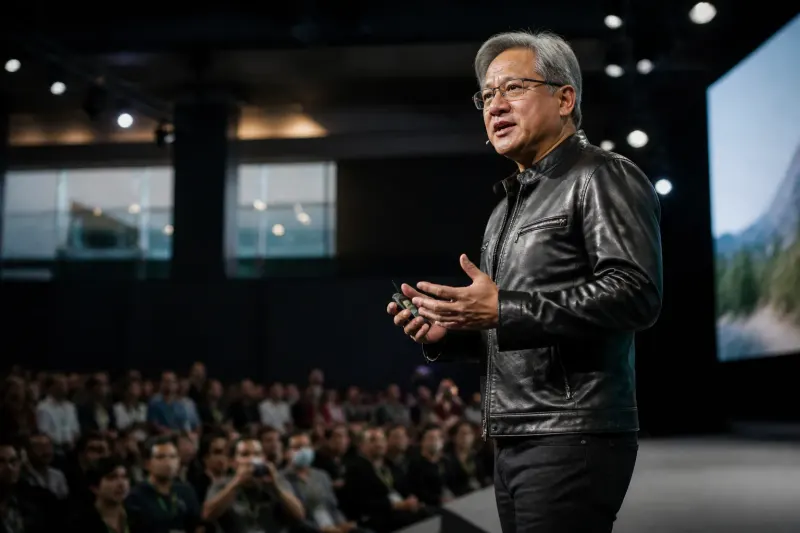
Renowned business academic Jeffrey Sonnenfeld from Yale University has voiced strong criticisms of Nvidia and its CEO Jensen Huang, claiming that the company represents a significant risk to American industrial power rather than being a champion of it. His comments come amid Nvidia's recent corporate turbulence, including Huang's controversial reinstatement as CEO after being ousted.
Nvidia's Corporate Environment
Sonnenfeld's critique centers around Nvidia’s role in providing advanced technology to adversaries, particularly China. This is especially alarming given the political climate and ongoing tensions related to technology and security. He references data indicating that Nvidia's advanced chips have reportedly reached China, notwithstanding ongoing U.S. export restrictions. This situation raises questions about the efficacy of these controls and the potential misuse of American technology.
The Cultural Response to Huang's Return
On Jensen Huang's return, there was a noticeable reaction in various media outlets, including enthusiastic support from some overseas publications in Asia. For instance, China's state-affiliated Star Market Daily echoed sentiments like, “The king is back!” However, this exuberance contrasts sharply with Sonnenfeld's worries about Nvidia's future trajectory and its implications for U.S. technological superiority.
Ongoing Legal Challenges
The pressure on Nvidia has escalated after the board's decision to reinstate Huang, especially considering the growing number of legal challenges facing the company. Sonnenfeld notes that already, several lawsuits have been filed against Nvidia. The most prominent include:
- A class-action lawsuit, aimed at holding Nvidia and Huang accountable for losses suffered by investors amidst concerns regarding the company's leadership and business practices.
- A shareholder derivative suit, which seeks accountability from Nvidia's directors for allegedly ignoring warning signs about Huang's connections to foreign intelligence.
- Additional lawsuits, with estimates suggesting that up to 30 lawsuits could follow these initial filings.
The legal landscape is fraught, with claims that the company is potentially liable due to insufficient oversight of Huang’s activities, particularly regarding his alleged relationship with a suspected Chinese spy, Alice Huang.
Political and Regulatory Scrutiny
Nvidia is also contending with a variety of federal investigations. According to Sonnenfeld, this includes a Justice Department antitrust investigation, an ongoing probe by the SEC into accounting practices, and federal inquiries from Congress. Huang is set to testify at a Senate Banking hearing, where these issues are likely to come under sharp scrutiny. This political backdrop adds another layer of complexity to Nvidia's corporate challenges.
Impact on U.S. Industrial Might
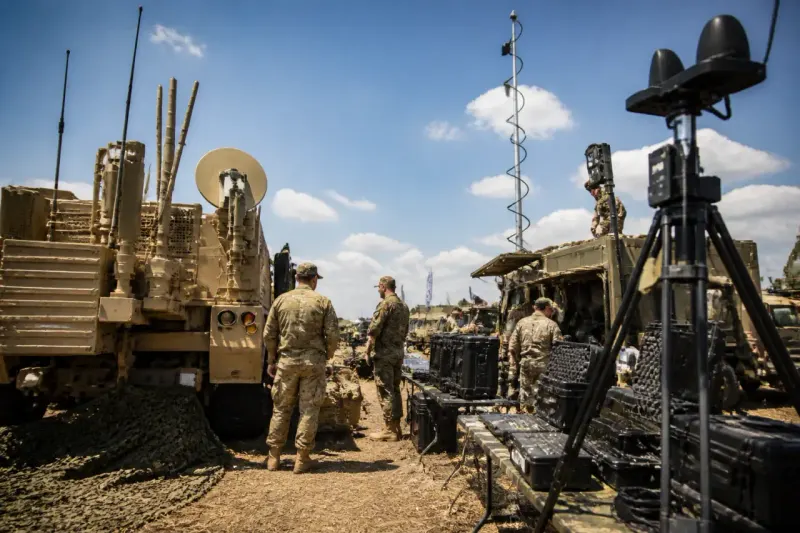
Sonnenfeld’s assertion that Nvidia is a detriment to U.S. global industrial might stems from the accessibility of their chips to adversarial nations, which he claims compromises national security. He points out that these chips have been identified in systems connected with the Chinese military and reports of their use have emerged in Russian drone technology. This flow of technology raises alarms regarding U.S. competitiveness and security, particularly as such access could contribute to military capabilities in hostile nations.
Response from Competitors and the Industry
Sonnenfeld notes that many industry leaders are silent on Huang's return, despite the majority of high-profile executives remaining critical or non-committal. Names like Microsoft, IBM, and General Motors have yet to vocalize any support for Nvidia’s current leadership direction. Meanwhile, competitors are capitalizing on Nvidia’s controversies, as seen in the recent sliding of shares for Anthropic, a startup believed to be affected by Nvidia’s operational dynamics.
Effects on AI Model Development
Recent acknowledgments have surfaced regarding the relationship between Nvidia's chips and the emergence of high-performing AI models in China. Sonnenfeld suggests that models hailed as breakthroughs, built by companies like Kimi and DeepSeek, are actually derived from American technologies. This mirrors concerns raised regarding intellectual property theft and highlights the issue of open-source models being used to replicate and possibly improve upon U.S. advancements while circumventing traditional safeguards.
The Broader Implications for Markets
The revelations and ensuing critiques are poised to affect Nvidia’s stock and market performance in the coming weeks. With Huang at the helm amidst such turmoil, the company’s future may be under threat not just from external legal and governmental pressures, but also from a shaken investor confidence prompted by doubts over leadership integrity and corporate governance. The current situation reflects a microcosm of the challenges facing the broader tech sector as it navigates geopolitical tensions and regulatory challenges.
Key Takeaways
- Jeffrey Sonnenfeld claims Nvidia is harming U.S. industrial might by enabling adversaries with advanced technology.
- Nvidia faces a slew of legal challenges, with at least five lawsuits filed recently against its board and executives.
- Huang’s reinstatement follows significant political pressure and is composed of many factors, including investor dissatisfaction and external scrutiny.
- Reports indicate that Nvidia chips have been found in military-grade technology associated with China and Russia, raising security alarms.
- The impact of these controversies is evident in the declining stock values of related companies like Anthropic.
Sonnenfeld's argument touches a nerve as it provokes concerns about Nvidia’s role in the current high-stakes technological race. As the scenario unfolds, it will be essential for stakeholders in the tech industry to assess the wider economic implications of these developments on U.S. technological leadership.
Frequently Asked Questions