
Why Original Games Shine Compared to Remastered Versions
This article discusses the advantages of original video games over remastered versions, highlighting lost elements and better experiences through upscaling.
The Upsurge of Nostalgic Gaming
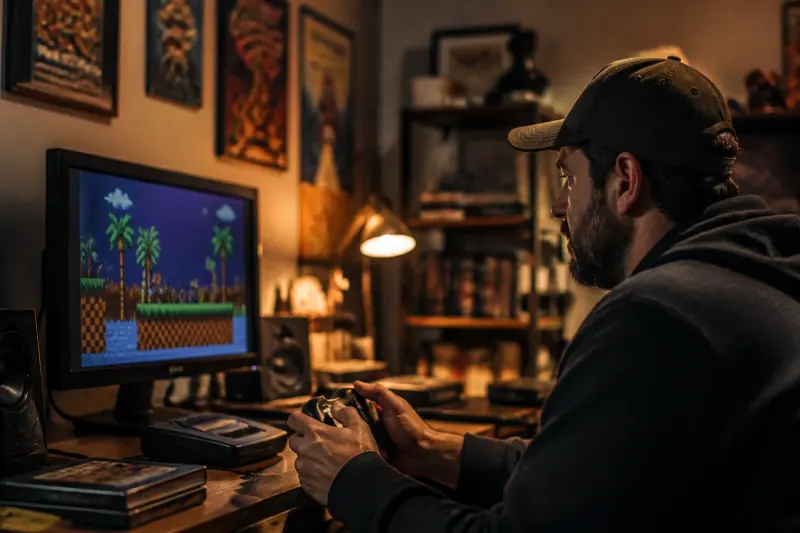
As gaming enthusiasts increasingly revisit classic titles from the late 90s and early 2000s, a growing conversation revolves around the necessity—and sometimes the disappointment—of remasters. Players are discovering that the original versions can often be superior when played on modern hardware through upscaling. This trend signifies not just a technical evolution but a nostalgic quest that brings forth fond memories of gaming experiences that defined an era.
Remastering vs. Upscaling: The Key Differences
Many gamers have noticed that while remastering offers a polished version of an original title, it often loses the essence that made the original great. The discussion here focuses on three notorious games and their remastered counterparts, exploring what exactly went wrong and why players are leaning toward the original versions.
Silent Hill 3: A Poor Remake
Firstly, consider Silent Hill 3. Originally released on the PlayStation 2, this game is often hailed for its atmospheric horror, primarily created by its unique fog effects. The recent HD Collection, however, has faced criticism for removing this iconic element, ultimately altering the game's chilling ambiance. In addition to this crucial change, the remaster features poor re-recorded voice acting and bugs that the original team had previously patched, raising questions about its value as a remake.
Grand Theft Auto: The Definitive Edition
Another prime example is GTA San Andreas. This classic game set a high bar for open-world gaming when it was released, generating an atmosphere rich in exploration and iconic radio tracks. The Definitive Edition, released in 2021, opted for a graphical overhaul that resulted in awkward character models and, most egregiously, the omission of numerous licensed songs that shaped the player experience. With about 16 notable tracks missing—essential tunes that defined memorable moments—players found their nostalgic trip severely impacted. Surprisingly, Rockstar chose to remove the original version from Steam shortly after the remaster's release, which means for many players, accessing the unaltered experience has become a challenge.
Resident Evil 3: The Missed Opportunity
In a similar vein, Resident Evil 3 faced backlash for not only altering key gameplay zones but also for fundamentally reducing the scope of the game. Locations like Saint Michael's Clock Tower and Raccoon Park were either absent or condensed into unrecognizable segments. The adaption sacrificed the feeling of exploration in a vibrant environment. With fans taking to modding communities to restore the cut content, the GOG re-release of the original game stands out as a seamless way for players to relive the experience, further solidifying the argument that many remakes fail to capture the essence of the original.
Why Upscaling Might Be the Future
The phenomenon of upscaling games is not just a technical gimmick; it honors the original design and vision while making them enjoyably playable on modern hardware. By maintaining the original game's integrity—along with its unique challenges and stories—upscaling can provide the nostalgic experience many crave without stripping out critical elements.
For instance, one can enjoy a game like Silent Hill 3 with updated textures and resolutions while retaining the atmospheric fog that contributes significantly to its horror. Modern emulators like PCSX2 have facilitated this experience, allowing players to enhance the original titles effectively.
Emulators and the Changing Landscape of Gaming
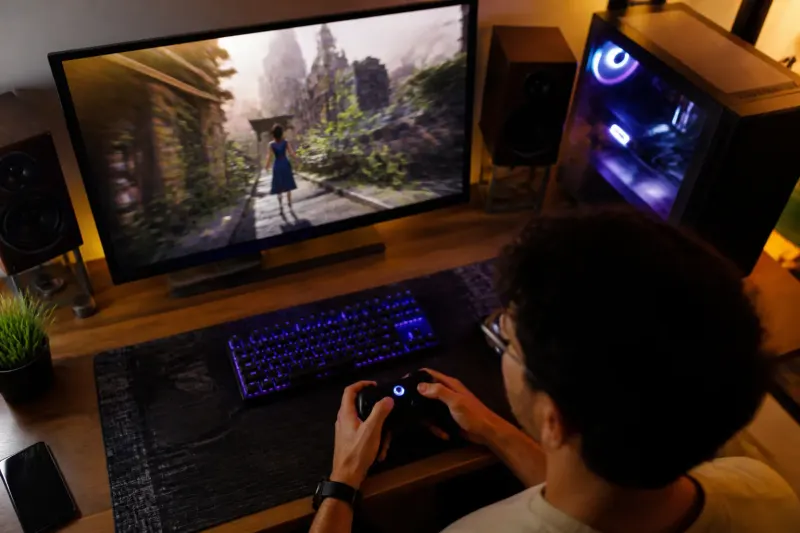
Modern emulators are becoming essential tools that give players an opportunity to experience these classic games as they were intended. With platforms like PCSX2, users can play titles on high-definition displays, adjusting elements like resolution while keeping the core gameplay intact. This strategy not only preserves the original experience but also ensures compatibility with various modern systems.
Key Differences in Remasters
| Game | Original Features | Remastered Changes | Impact on Gameplay |
|---|---|---|---|
| Silent Hill 3 | Atmospheric fog enhancing horror | Removal of fog, re-recorded voice acting | Reduces immersion and fear factor |
| GTA San Andreas | Vibrant open-world gameplay with iconic radio | Missing 16 licensed tracks, awkward character models | Hinders nostalgia and gameplay experience |
| Resident Evil 3 | Iconic locations and in-depth exploration | Cut locations and simplified designs | Limited exploration, lack of depth |
Conclusion: The Need for Originality
The discussion around remasters emphasizes a larger sentiment in gaming: the integral relationship between game design and player experience. To maintain a loyal player base, developers must truly understand what made the originals resonate with audiences. Until there is a consistent understanding of preserving the core essence in remasters, many gamers may opt to reach for their old disks or play the upscaled versions of treasured classics. This tendency showcases a demand not just for nostalgic content but for experiences that honor the artistry and intent behind the original games.
Key Takeaways
- Silent Hill 3 faced significant changes in the HD Collection, including loss of atmospheric fog.
- GTA San Andreas remaster omitted 16 iconic songs, negatively impacting nostalgia.
- Resident Evil 3 removed core locations and gameplay elements, disappointing fans.
- Modern upscaling on emulators preserves original experiences while enhancing visuals.
- Developers need to maintain the essence of original games to satisfy nostalgic players.
Frequently Asked Questions