
Shoppers Seek Quality Over Cheap Materials in Fashion Industry
As clothing prices rise significantly, new consumer attitudes are emerging. Shoppers are leaning toward quality garments made from natural fibers rather than cheaper synthetic options.
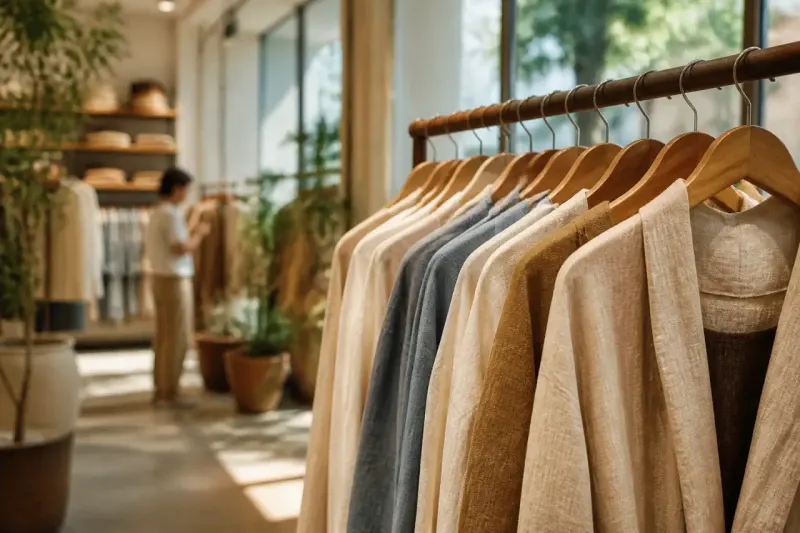
Shifting Consumer Priorities in Fashion
Recent trends indicate that U.S. shoppers are becoming increasingly discerning about the clothing they purchase, as they favor higher-quality textiles over cheaper synthetics. According to the 2026 Consumer Sentiment Index by consulting firm AlixPartners, more than 9,000 consumers surveyed revealed a significant shift in their purchasing behavior due to rising prices in other essential areas, such as food and gas.
During the pandemic, apparel prices soared to new highs, defying a trend of declining prices observed over the previous two decades. This change is causing shoppers to more critically evaluate the cost-to-quality ratio of their purchases.
Increasing Prices for Apparel
Historically, synthetic fabrics, including polyester and nylon, have gained ground in apparel imports to the U.S., overtaking cotton as the preferred material. In 2010, cotton made up approximately 60% of clothing imports; by 2026, that number had decreased to around 45%. The remaining garments are mainly composed of synthetic fibers, driven by the proliferation of fast fashion brands and changing consumer preferences.
| Year | Predominantly Synthetic Fiber Price (USD) | Primarily Cotton Price (USD) |
|---|---|---|
| 2010 | N/A | N/A |
| 2026 | $2.64 per square meter | $3.67 per square meter |
The average unit price of apparel imported to the U.S. in 2026 for garments that were predominantly made of synthetic fibers is $2.64 per square meter, while those primarily made of cotton commanded around $3.67 per square meter. From 2010 to 2026, costs for synthetic fiber apparel have increased by approximately 11%, whereas cotton prices have risen by 21%.
The Rise of Quality Consciousness
Consumers are increasingly scrutinizing clothing labels, a trend amplified by their desire for genuine quality over the synthetic mass-produced offerings of fast fashion brands. As Sonia Lapinsky, head of fashion at AlixPartners, explains, retailers that cannot distinguish their synthetic materials from natural ones risk losing their appeal among discerning shoppers.
Brands like Ralph Lauren, which have prioritized natural fibers, are thriving amidst this shift. In the past two years, the company’s stock has risen approximately 85%, as around 90% of its apparel is primarily made from cotton, leather, wool, viscose, cashmere, or silk. The brand has successfully reduced marks on fabric quality, opting to sell more products at full prices rather than relying on significant discounts.
The Impact of Fast Fashion
The emergence of fast fashion brands like Forever 21 and H&M marked a paradigm shift, allowing consumers to access trendy clothing at low prices. This trend accelerated with the rise of ultra-fast fashion brands like Shein and Fashion Nova, which produced garments at unprecedented speeds. This model relies heavily on the use of inexpensive, synthetic materials, driven by consumer demand for immediate access to new styles.
However, according to consumer analyst Janine Stichter of U.S. Bancorp BTIG, there has been a “pendulum swing” away from this dominance of synthetic options. "Quality matters a lot more now than it has in the previous ten or twenty years," Stichter asserts.
Backlash Against Synthetic Fabrics
Accompanied by a growing awareness of quality, a backlash against synthetic materials is emerging, particularly among younger consumers. Generation Z has even reshaped the term "polyester" into a derogatory reference to signify items perceived as low-quality or inauthentic. As concerns mount about the environmental and health implications of petroleum-based clothing—such as the release of microplastics when washing polyester—consumers are reconsidering what goes into their clothing.

Manufacturing Costs and Supply Chain Shifts
The rising apparel prices are not solely a result of changing consumer preferences. Factors such as tariffs, oil price spikes due to the ongoing Iran war, and the post-COVID-19 supply chain adjustments have all contributed to increased costs for both consumers and manufacturers. As demand continues to outpace supply, companies have found themselves compelled to raise prices, further amplifying consumer scrutiny over materials.
Sheng Lu, a fashion and apparel studies professor at the University of Delaware, highlights that the stark differences in manufacturing capabilities between countries impact quality. China, with its established textile industry, offers a workforce skilled in producing high-quality clothing. In contrast, emerging manufacturing destinations such as Bangladesh and Cambodia cater primarily to the mass market, often lacking the capabilities to create higher-quality products.
Brands Adapting to the New Normal
Recognizing the shift in consumer expectations, brands that emphasize quality are reaping the rewards. Direct-to-consumer brands like Quince, which is heavily focused on utilizing natural materials, recently achieved a valuation of $10 billion and improved its resale value significantly, jumping to No. 3 for resale value according to ThredUp’s report. Similarly, the organic cotton retailer Pact saw an increase, moving up 20 spots on the resale value list.
In contrast, fast fashion brands are struggling to maintain favorable attitudes among consumers. Examples include Shein and Zara, both of which fell in their rankings on the 2026 AlixPartners Consumer Sentiment Index—moving down to fifth and seventh place, respectively, in terms of consumer sentiment in the young adult specialty category.
Looking Ahead
The future of shopping preferences seems set to evolve even further. As consumers become increasingly focused on quality over price, brands that continue to prioritize high-quality natural materials will likely see continued success. Given the indicators of evolving consumer sentiment, there could be significant implications for fast fashion brands that rely heavily on synthetic materials.
Key Takeaways
- Apparel prices have risen sharply since 2020, prompting consumers to seek quality.
- Brand Ralph Lauren has seen an 85% increase in stock prices thanks to its focus on natural fibers.
- Fast fashion brands, including Shein, are losing favor among consumers, dropping in sentiment rankings.
- The average import price of synthetic apparel is $2.64, compared to $3.67 for cotton in 2026.
- Consumer attitudes are driven by concerns over the quality and environmental impact of synthetic materials.
The ongoing evolution in the fashion industry demands attention from both consumers and producers. As quality continues to take precedence and awareness of sustainable practices rises, the landscape of apparel manufacture and retail will transform, leading to new opportunities and challenges for all stakeholders involved.
Frequently Asked Questions