
The Rise of Business Class Following the End of First Class
American Airlines has discontinued its last international first class, moving to expansive business-class cabins with luxurious upgrades, reflecting changing passenger preferences.
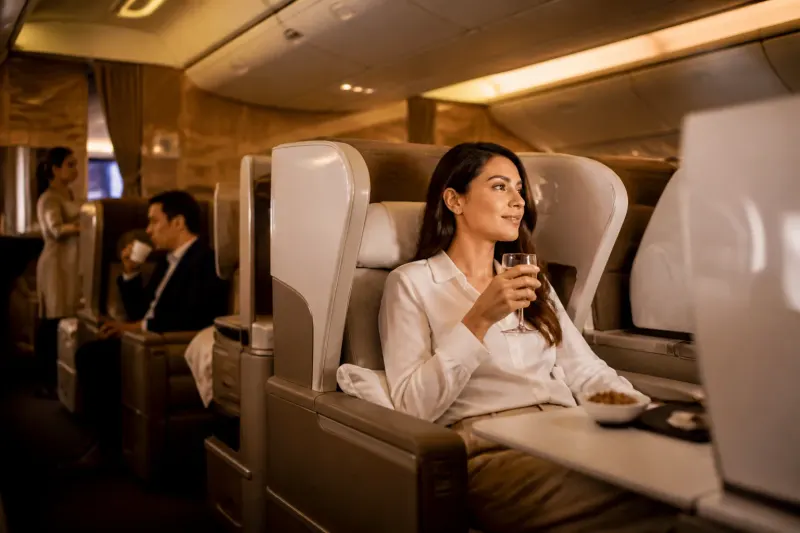
The End of an Era in U.S. Aviation
The aviation landscape in the United States took a significant turn as American Airlines operated its last flight featuring long-haul international first class this week. This historic flight, which landed in Los Angeles from Sydney, marked the conclusion of more than six decades of international first-class service in U.S. airlines. With American Airlines being the last major U.S. carrier to provide this premium service, the airline now shifts its focus to expansive business-class cabins, reflecting evolving consumer preferences.
American Airlines' New Business-Class Cabin
As American Airlines bids farewell to its first-class offerings, it unveils a revamped business-class configuration designed to enhance passenger experience. The new layout on its Boeing 777-300ER aircraft will feature a staggering 70 business-class suites, the most extensive offering by any U.S. airline. In contrast, the previous layout included eight first-class suites along with 52 business-class pods. This transformation signals a trend toward larger, more luxurious business-class environments.
What's New in Business Class?
Airlines are investing heavily in the business-class experience, with many features that once distinguished first class now incorporated into business class. Key enhancements include:
- Suites with sliding doors that offer greater privacy.
- Improved technology with larger screens and device-charging capabilities.
- Bedding upgrades to provide more comfort during long flights.
These upgrades reflect a shift toward "mass luxury" in air travel, tapping into consumers’ willingness to pay more for enhanced comfort.
Evolving Consumer Preferences
The rationale behind the move from first class to larger business-class cabins is clear: consumer preferences have shifted, with many travelers now satisfied with the luxurious offerings of business class. Henry Harteveldt, founder of travel consulting firm Atmosphere Research Group, notes, "When you’ve got individual pods in biz class, and you’ve got a comfortable enough seat and bedding and decent wine, for a lot of people this is good enough." This adaptability comes as a response to increasing operational costs due to heightened expenses in fuel and airport fees.
Comparing Prices: Business Class vs. First Class
Despite the overhaul, there remains a notable price difference between first and business class. For instance, a one-way ticket from Los Angeles to London on American Airlines' Boeing 777-300ER had prices of $12,994 in business class compared to $15,669 for a first-class seat. This price disparity demonstrates that while first class is no longer available, the luxury of business class still comes at a premium.
Historical Context of First Class
The retirement of first class concludes a long-standing tradition in aviation that catered to passengers seeking the ultimate flying experience. Over the decades, first-class service included extravagant amenities, ranging from seat-side carving of chateaubriand to meals served on fine china, catering to an era where in-flight entertainment was vastly different from today’s comprehensive technological offerings.
The Shifting Landscape
Business class, historically limited to fewer passengers, is now being segmented further as airlines aim to optimize revenue. The introduction of premium economy seats over the past decade has created another tier, positioned between business and economy class, offering enhanced recliner seats and improved dining options.
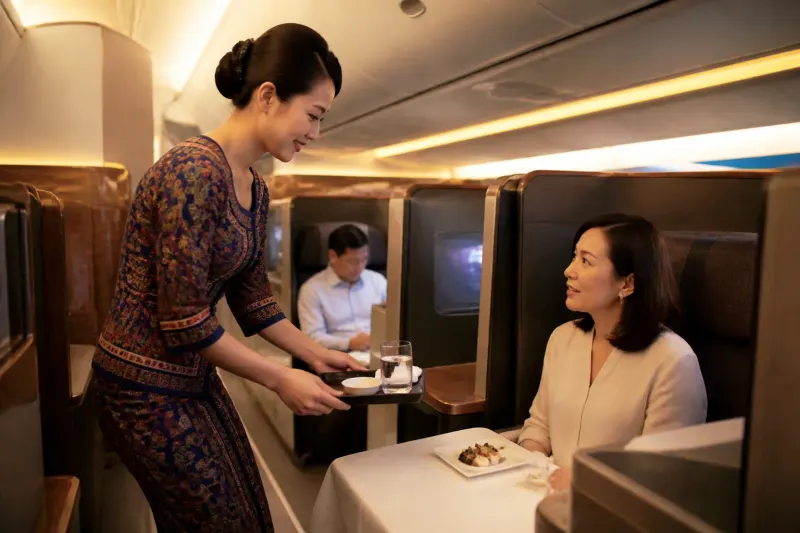
Airlines Departing from First Class
American Airlines is not alone in this transition. Both Delta Air Lines and United Airlines have also replaced international first-class cabins with their respective business-class offerings—Delta’s Delta One and United’s Polaris suites. Each of these airlines continues to refine its business products, investing in more comfortable and private travel experiences.
Luxury Is Still Relevant
While U.S. airlines move away from first class, the service is not entirely obsolete globally. Various international carriers, including Singapore Airlines, Lufthansa, and British Airways, are continuing to enhance their first-class offerings, focusing on luxury and comfort, showcasing the demand for high-end services.
Additionally, smaller airlines such as JetBlue and Frontier have begun introducing first-class offerings, albeit at lower costs, aiming to capture a niche market segment within domestic routes.
Business-Class Suite Configurations
| Airline | Aircraft | Number of Business-Class Suites |
|---|---|---|
| American Airlines | Boeing 777-300ER | 70 |
| United Airlines | Boeing 787-9 Dreamliner | 64 |
| American Airlines | Boeing 787-8 Dreamliner | Up to 30 (planned from 20) |
Key Takeaways
- American Airlines' last long-haul flight with first class concluded this week.
- New business-class configurations feature 70 suites, setting a new standard for U.S. airlines.
- Ticket prices reflect significant savings, with business class priced at $12,994 versus first class at $15,669.
- Globally, airlines like Singapore Airlines and Lufthansa retain luxurious first-class offerings.
- The trend continues toward segmented business classes, enhancing passenger experience while maximizing airline profitability.
Conclusion
The departure of first class from U.S. airlines signals a momentous change in the airline industry. As airlines embrace the evolving consumer demands, the focus has shifted towards large, comfortable business-class cabins equipped with upscale amenities. The segmenting of business class will likely continue to adapt as airlines seek to find the balance between luxury and profitability, ensuring that even amidst changes, the spirit of premium travel endures.
Frequently Asked Questions